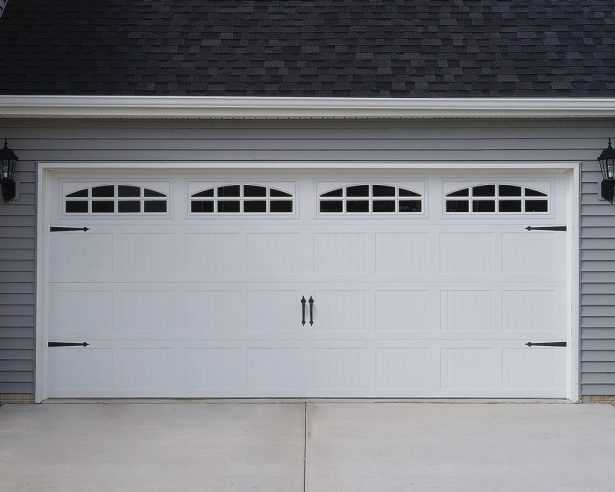
Best garage door materials for coastal salt air areas
Living on the Australian coast brings salt spray, humid nights and blustery winds that can shorten the life of an ordinary garage door. A durable coastal garage door needs a corrosion-resistant panel, robust hardware and sensible maintenance, but exposure varies from a sheltered suburban garage to a home almost level with the ocean.
Choosing by appearance alone can leave vulnerable tracks, fasteners and springs to deteriorate faster than the visible panels. Consider the whole door, prevailing wind direction, distance from surf, local wind rules and the finish available in your area before settling on aluminium, fibreglass, coated steel or timber.
Why salt changes the material equation
Salt is hygroscopic, meaning it attracts moisture and keeps a damp film on metal. In a marine atmosphere, chlorides can enter scratches, seams and screw holes, causing rust below a coating that still looks sound. The closer a garage faces breaking waves or prevailing onshore wind, the more frequently the door should be rinsed and inspected.
Corrosion frequently begins at dissimilar metal junctions. An aluminium panel can pit if it is fixed with ordinary steel screws, while galvanised steel can stain near stainless components. The torsion spring, cables, rollers, hinges, track and opener rails all need compatible corrosion-resistant fittings; replacing only the slab will not solve a salty site.
Wind and weather also work together. A door that flexes under pressure can distort its tracks, and a swollen timber section can jam in its guides. Current editions of AS 1907 and the applicable wind-load provisions of AS/NZS 1170 matter, especially in cyclonic regions, so ask the supplier for documented compliance rather than relying on a general statement that a door is suitable.
A site-specific check is more useful than a fixed distance rule because salt travels inland on onshore wind. The door’s aspect, whether it sits below the main roofline, nearby beach vegetation and how often surf events occur all influence exposure. A quoted assessment should therefore identify the prevailing exposure rather than label every property within a broad postcode as coastal.
Comparing the main door materials
Aluminium is a strong coastal choice because it does not rust in the way steel does. A quality marine-grade or powder-coated aluminium door can remain attractive for years, particularly in insulated sectional formats. Keep the coating intact, use isolated stainless hardware where needed and check that nearby metals will not create galvanic staining.
Fibreglass-reinforced panels offer another corrosion-resistant option and can provide good thermal performance with less weight. Resin quality, ultraviolet stabilisers and the solid core matter, since cheap panels can fade, soften or warp near intense sun. For insulated sectional doors, garage door insulation kits explains the effect of R-value and construction on heat retention, helping owners compare thermal claims with coastal use in mind.
Steel remains attractive where security, impact resistance and a broad colour range are priorities. Colorbond is widely understood in Australia and gives a familiar roof-and-garage look, but it is a coated steel product rather than a rust-proof material. Chips at panel edges and exposed screw heads can start corrosion, so marine-grade pretreatment, sealed edges, quality powder coating and regular touch-ups are important.
Timber can suit a warm, architectural coastal home, especially behind a deep verandah. Dense hardwood or well-sealed marine-grade plywood resists salt better than unfinished timber, yet all faces, edges and hardware openings still need sealing. Expect more frequent checks for swelling, ultraviolet fading and surface wear than with aluminium or fibreglass.
Australian coastal conditions and buying habits
The Australian coastline covers very different climates. The Gold and Sunshine Coast combine salt, humidity and summer storms; Adelaide’s Semaphore and Henley areas can be dry and dusty yet still aggressively salty; and Hobart’s Derwent waterfront sees persistent damp. This makes a universal corrosion rating misleading, even within one suburb.
Sydney’s Northern Beaches, Newcastle’s ocean edge and Perth’s coastal suburbs add another local consideration: strong wind can drive spray well inland, especially when the garage faces east or north-east. A garage set under the main house may need less protection than a detached blue-chip suburban property beside the beach, so exposure should be judged from the door’s own position.
Local buying language is practical. Aussies commonly search by door type—roller, sectional, tilt-up or single skin—and expect Colorbond to match a roof. Most residential doors are made to measure and supplied with installation by a garage-door business, with the quote covering the opener, motor, remote controls, weather seals and removal of the old unit rather than just the panel.
Australian homes also create installation constraints that may not appear in a showroom. Some older fibro-cement and masonry garages have narrow double openings, limited headroom or restricted side access. A driveway that cannot accommodate a long sectional panel may make a roller door more practical, while matching an existing Colorbond roof can influence the finish selected for the garage.
A selection checklist for coastal homes
A useful comparison goes beyond the sample in a display yard. Ask what happens after five, ten or fifteen years at this exact address, and request the specifications behind any coastal, marine-grade or lifetime claim.
- Match the panel to exposure. A fully exposed door needs more corrosion protection than a sheltered one, and coastal marketing terms should be supported by details of the base metal, coating and edge sealing.
- Specify the complete system. Confirm stainless or isolated hardware, suitable rollers, protected spring components and compatible fasteners rather than assuming premium panels automatically include premium fittings.
- Check structural and thermal evidence. Ask for wind-load documentation, relevant Australian Standard compliance and clear thermal figures for insulated sections.
- Inspect a full-size sample. Look closely at edges, joins, hardware and colour, then visit a coastal installation if possible instead of judging a small showroom piece.
- Read the warranty carefully. Check exclusions for salt, wind, coastal exposure and coastal labour, and confirm who handles corrosion claims or replacement parts.
Written quotations should identify the panel thickness, finish, insulation, hardware grade, opener model, installation inclusions and expected service life. That detail makes comparisons fairer and gives the installer clear instructions if something goes wrong.
Care, maintenance and a local quote
A salt-resistant door still needs basic care. Give exposed surfaces a gentle wash with fresh water, especially after rough weather, then dry them. Avoid chlorine cleaners, abrasive powders and high-pressure jets that can force water into seams; clean the lower edge and fixings where salt collects most often.
Check seals, rollers and tracks for grit, rust or binding, and follow the opener maker’s lubrication schedule rather than spraying every hinge and spring indiscriminately. After a storm, look for bent guides or a door that no longer closes squarely. Opener programming and keyless-entry changes should also follow the instructions for Chamberlain, Craftsman and Linear units, with the keypad and motor protected from moisture.
Torsion springs, cables and lifting weights can store dangerous energy even when the door appears stationary. Leave spring adjustment, track alteration and cable replacement to a qualified garage-door technician, particularly when corrosion has weakened visible hardware or the door moves unevenly.
Coastal performance depends on local knowledge, so homeowners can request a coastal-area quote and arrange an on-site assessment. Book an inspection, compare the documented specifications and choose a complete system built for the exposure at your property.