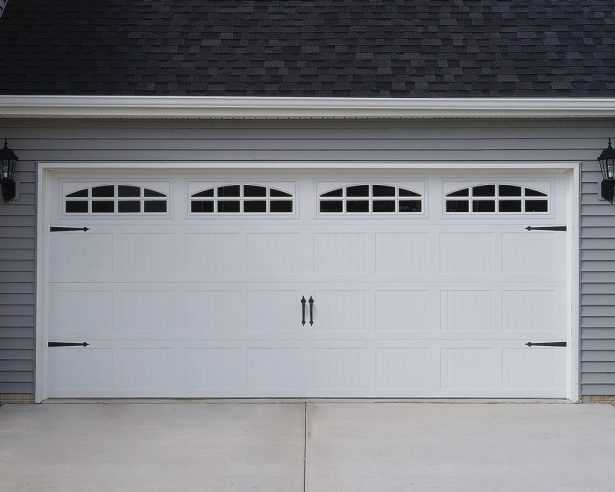
Steel or aluminium garage doors: making the right choice
Choosing between steel and aluminum garage door materials is less about naming a universal winner than about matching a door to its location. Your garage may face salt-laden air, intense sunlight, summer storms, winter damp or a busy suburban street, and each condition affects how a panel, finish and mechanism age. The right choice must also fit the available space, suit the house and make sense as a long-term maintenance expense.
Aluminium garage doors are valued for their light weight and naturally corrosion-resistant metal, while steel garage doors offer a broad choice of profiles, colours and insulated construction. Many Australian homes feature Colorbond-inspired colours, so both materials can complement a brick veneer or fibro-cement façade. The decision becomes clearer when you compare complete door systems rather than judging the metal alone.
How the two materials perform
Steel garage doors commonly use galvanised steel skins over structural ribs or an insulated core. This construction gives a substantial, reassuring feel and provides plenty of design options, but steel can flex or dent after a ball, bicycle or car mirror strikes. Chips in the protective coating also need prompt attention, particularly where salt or damp collects. A heavy steel door is not automatically the most insulated; the core and panel design matter.
Aluminium garage doors use corrosion-resistant panels that are lighter than comparable steel constructions. That can place less demand on hinges, rollers and track hardware, although the opener must still be correctly matched and balanced. Aluminium can crease under a sharp impact, and scratches or a damaged powder-coated finish may be more noticeable than on a textured steel door. Fasteners and adjoining steel components also need suitable isolation to prevent galvanic corrosion.
For thermal comfort and noise control, compare the door’s insulation rating and seals rather than its material alone. A well-insulated sectional door helps keep a Perth garage cooler and can soften traffic noise near a Melbourne or Adelaide main road. Aluminium doors are also available with insulated cores, so a premium aluminium product may outperform a thin steel panel on comfort, appearance and longevity.
Climate, architecture and Australian conditions
Local conditions should shape your shortlist. Brisbane’s humidity and coastal spray call for careful attention to corrosion, while Sydney properties near the ocean need finishes and hardware suited to salt exposure. Perth’s strong UV can fade or chalk coatings, and Melbourne’s variable temperatures make intact seals and weatherproof joints important. In Adelaide, hail and strong winds make panel strength and a verified wind rating worth checking. No material removes those risks, but the right system reduces them.
Architecture and daily routines matter too. A narrow single garage behind a Melbourne terrace may need a compact sectional or roller door, while a family in Sydney might value a motorised insulated door for secure overnight parking and easier access. For suburban brick veneer homes, Colorbond-matched steel is widely available, and timber-effect or raised-panel finishes can suit traditional façades. Aluminium suits contemporary homes where slim lines, glazed sections and a lighter visual profile are priorities.
New powered installations should be assessed against AS/NZS 4645, the Australian standard covering safety requirements for powered garage doors and their operators. Confirm that the proposed door, hardware and opener work together, because a panel alone does not provide system compliance. In a bushfire-prone area, check local council or building-practitioner advice about the declared bushfire attack level and any product evidence required for the opening. Heritage overlays and appearance rules may also need checking before changing a visible garage frontage.
Style, sizing and opener compatibility
Measure the opening, available headroom and track space before selecting a material. A common suburban single opening is around 2.4 metres wide by 2.1 metres high, but those figures are not a substitute for measuring the actual opening and checking obstacles. Sectional doors need room for tracks and a horizontal or vertical roller, while tilt doors require a clear swing. Heavy steel needs a sound, accurately aligned frame, and a lighter aluminium door still requires the correct guides and stops.
The opener is part of the equation rather than an accessory added after delivery. Check the manufacturer’s compatible model list, required force settings, safety beams and emergency release, and consider battery backup if outages are a concern. An experienced technician should set and test the limits. If an older opener is being replaced, correct opener code changes may be needed to pair new remotes or clear an old network. Follow the instructions for the actual motor and its approved local manual rather than a generic code sequence.
Style should be judged at street level and from inside the garage. Raised steel panels can echo a period home, timber-effect skins can warm up a new build, and aluminium sections can create a clean, modern look. Dark finishes need more attention to fading, while light colours can show dirt near busy roads. Consider how the door looks when open, how much natural light enters the space and whether the hardware complements the house rather than competing with it.
A practical selection checklist
Use these questions to turn product pages into a practical shortlist for your property.
- Start with exposure. Note whether the garage faces ocean spray, intense UV, repeated rain, hail-prone wind or a busy main road, and prioritise finishes and seals suited to that environment.
- Measure more than the opening. Record the width and height, headroom, ceiling tracks, wall space, floor level and delivery access before choosing sectional, roller or tilt construction.
- Ask for comparable specifications. Request panel or core details, insulation values, wind testing, finish documentation and warranty terms so steel and aluminium options are judged on the same basis.
- Match the opener as part of the system. Confirm compatible operator models, safety beams, emergency release, required adjustments and battery-backup options with the installer.
- Test the visual fit. View colour and profile samples against the house, Colorbond roof or street view, and check that windows, hardware and decorative inserts suit the chosen design.
- Price the complete job. Compare delivery, installation, electrical work, tracks, seals, sensors, old-door removal and ongoing maintenance rather than focusing only on the panel price.
These questions turn style preferences into a purchase you can defend with evidence. Compare like-for-like written quotations, then check the fine print on coastal exclusions, insulation claims and installation responsibilities. Structured comparisons reveal why operating conditions matter, a point also illustrated by this assessment of orchestration tools, where the most suitable option depends on the deployment rather than the product name.
Budgeting, maintenance and installation
Compare installed prices rather than panel prices alone. Quotes may include delivery, site preparation, new tracks or additional headroom, an opener, sensors, floor seals and removal of the old door. A modification such as enlarging an opening or converting a flat roof to a sectional system can add substantial labour. Ask for a written breakdown and check whether the quote includes electrical work, weatherproofing and a final operating and safety check.
Maintenance requirements differ slightly between the materials. Wash steel with mild soap and water, remove accumulated debris and treat chips or scratches promptly with the manufacturer’s approved repair product. Inspect galvanised surfaces, moving parts and bottom seals on a regular schedule. Clean aluminium gently with non-abrasive products and avoid harsh chlorine cleaners or abrasive pads that can damage powder coating. Follow the supplied maintenance schedule for rollers, cables, lubrication points and weather seals.
Torsion springs and lift cables store dangerous energy, so leave spring and cable adjustments to a qualified technician. Give the installer the complete plan, including opening dimensions, ceiling and wall conditions, preferred finishes, opener history and expected daily use. Request documentation covering the product, wind performance, insulation value, opener safety and workmanship warranty. Australian Consumer Law protections and the supplied product warranty should be explained in the contract.
For a site-specific comparison of steel and aluminium garage doors, contact the team and arrange an in-person assessment before ordering.