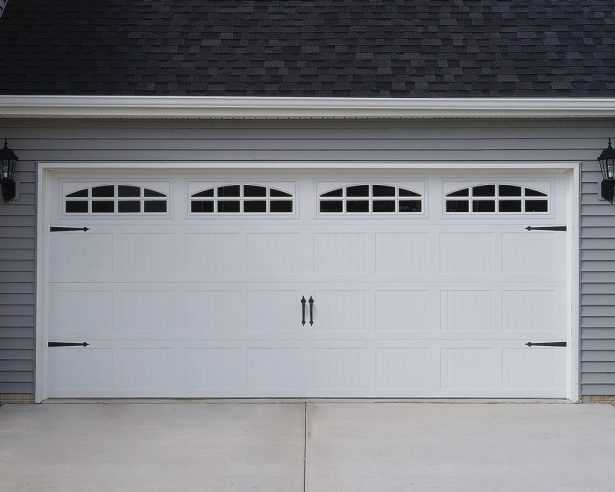
Choosing the right garage door threshold seal
A garage door threshold seal is the strip that closes the gap between the bottom of a garage door and the floor. Also called a bottom seal, sweep or astragal, it keeps rain, dust, leaves, insects and hot or cold air out of the space. In many Australian homes, that difference is obvious: the garage is also a workshop, laundry overflow or secure storage area.
The correct fit matters because a seal that is too stiff can buckle, while a loose one leaves gaps. A brush may block dust but not driven rain, and a flexible rubber bulb can seal well on a level slab yet lift over an uneven joint. Door type, floor profile and local weather should therefore guide the choice together.
Before ordering, identify the door style, opening width and floor surface, then compare profiles rather than relying on a generic width. Labels vary between manufacturers, so check the seal’s shape, section and fixing method as well as its nominal size. A few minutes of checking can prevent a poor match and another delivery.
What the threshold seal actually does
A threshold seal normally sits in a metal retainer along the bottom of a sectional door. The retainer holds the flexible strip evenly as the door travels, creating contact with the slab without scraping heavily. Retainer seals are common in Australian residential garages because sectional doors suit the straight driveways and compact footprints typical of many suburban homes.
A sweep seal hangs directly from the door and presses against the floor, while a guide-mounted brush belongs beside many roller doors. Those parts may look similar in a photo, but they use different fixings and profiles. The seal for a side-hinged or tiltaway door must also allow that door’s swing, so the operating pattern matters as much as the opening size.
A draught, a line of dust or water pooling just inside the opening can reveal where the seal has failed. Check the full width rather than only the centre: a corner gap may come from a damaged retainer or an uneven floor, not a short piece of seal. If terminology is confusing, the garage door guidance provides a useful place to identify the door components.
Match the seal to the door
Start by matching the replacement to the door movement. A sectional door usually needs a bottom retainer seal that runs across the leaf; a roller door often uses a vertical brush or sweep along the guide; and a tiltaway door needs clearance as it pivots. Buying a universal strip without checking the existing track can leave gaps at the sides or bottom.
Next, compare the seal and retainer as one system. The flexible section should be long enough to maintain contact without curling, while the base should sit flat on the concrete. Some products are supplied as a kit, but others are sold as separate seal, retainer and fixing. Measure whether your floor is level before selecting a rigid or brush profile.
Appearance can matter too, particularly if the garage faces a street or adds value to the home. If you are also planning a wider visual upgrade, modern glass door ideas can show how glazing changes daylight and visibility. Glass panels still need a correctly specified bottom seal, so the weather details should be settled before choosing decorative door designs.
Compare materials for Australian conditions
Vinyl is widely available and economical, making it a common choice for a straightforward replacement. High-quality PVC remains flexible in ordinary conditions and resists most water and detergents, but cheap material can harden, split or distort under ultraviolet exposure. EPDM or another synthetic rubber is usually a better option where flexibility, ozone resistance and long service matter, provided the profile suits the retainer.
Brush seals use flexible bristles or fibres and excel at excluding dust, leaves and light wind. They tolerate a slightly uneven floor better than a hard bulb, but fine rain can pass through the fibres, and trapped grit can reduce their effectiveness. Natural rubber also performs well in cool conditions, yet Australian sunlight, heat and oils can shorten its life. A brush is therefore a dust-control choice more than a complete weather barrier.
Australian conditions vary widely. Sydney and Brisbane bring heavy rain and humidity, Melbourne adds gusty winds and cool changes, Perth has intense sun and dust, and Hobart or Darwin have their own damp and seasonal extremes. Choose a UV-resistant profile, then match its flexibility to the local exposure rather than assuming one seal works in every state.
Practical checks before ordering
A short buying check helps distinguish a suitable replacement from a strip that merely fits the opening.
Door-and-seal match
- Confirm whether the garage has a sectional, roller, tiltaway or hinged door.
- Compare the existing retainer, guide or sweep profile with the replacement.
- Measure the opening and check the manufacturer’s part number if available.
- Confirm whether the product includes a retainer, fixings and end caps.
- Check that the seal can touch the floor without binding or curling.
Australian buying conditions
- Compare specifications at Bunnings, Mitre 10, JB Hi-Fi Home & Trade or a specialist door supplier.
- Ask whether the seal is supplied cut to size or must be trimmed locally.
- Check UV resistance, expected service life and the retailer’s warranty terms.
- Compare delivery, installation and measure-and-install quote options.
- Confirm the product suits local temperature, rain and dust conditions.
These checks matter because the Australian market carries both imported and locally made profiles. A retailer may label the same general part differently, so the dimensions, section shape and fixing method are more reliable than the wording on the packet. If a floor repair is needed, resolve that before fitting a flexible seal.
Measure the opening in millimetres
Use a metal tape measure and record the opening in millimetres, as Australian sizing and most replacement parts use metric dimensions. For a retainer seal, measure the door width at the bottom and the opening between jambs, then compare both with the installation diagram. Also measure the existing seal’s height and thickness; width alone does not determine whether it will seal or bind.
Next, check the floor across the full opening. Clean the slab, then note the gap beneath the closed door at the centre and both corners. A seal needs a small working gap, but it must still block air and water. If the slab slopes toward the house, select a flexible profile and confirm that the door’s closing edge remains parallel to the floor.
Concrete driveways often contain control joints, patches and slight drainage falls that are easy to overlook from the doorway. A Colorbond fence or garden edge does not affect the seal, but it can limit access and working space during installation. Photograph these floor details and take them to the supplier; the photo can prevent choosing a seal for an imagined flat surface.
Fit it, then maintain it
Fit the seal only after the door, frame and slab are clean and the retainer is straight. Remove old screws and hardened rubber, check the track for debris, and follow the opener’s manual instructions when disconnecting or reconnecting power. Test the door by hand before operating it, because a twisted retainer can damage a new seal within a few cycles.
Once installed, inspect the seal every few months and after storm season. Clear leaves from the bottom edge, wash grit away with mild detergent, and look for daylight beneath the door. Avoid solvents or petroleum products on vinyl or rubber unless the manufacturer says they are safe. Replace a split section promptly so the repair does not pull adjoining pieces loose.
Common complaints respond to different causes. A seal that whistles may need a tighter or more even fit, while one that flaps often points to a gap at the retainer end. A door that reverses before closing can involve the opener’s safety beam or limits rather than the threshold, so diagnose those settings before changing the seal. Persistent movement or unusual noise deserves an inspection.
Never lift a visibly sagging or badly damaged door to test the seal. A failed torsion spring can release stored energy and cause serious injury; the broken spring safety advice explains why the door should be left alone and when a technician is needed. The threshold is only one part of a safe garage-door system.
Make the purchase with confidence
Choose a seal by starting with the door type, then checking the floor, climate and fixing method. Vinyl offers value, synthetic rubber gives durable flexibility, and a brush remains useful where dust is the main concern. The best option is the one that maintains steady contact without binding on the actual slab.
Before checkout, write down the opening width, seal section and floor condition, and keep clear photographs of the closed door. Give those details to a local hardware retailer or garage-door specialist, who can confirm whether the existing retainer can be reused or should be replaced as a matched pair.
Measure today, compare the profiles, and order the correct metric size with any required fixings. If the floor or retainer needs adjustment, arrange installation through a qualified local garage-door professional. A correctly matched threshold seal will then do its quiet job for years.