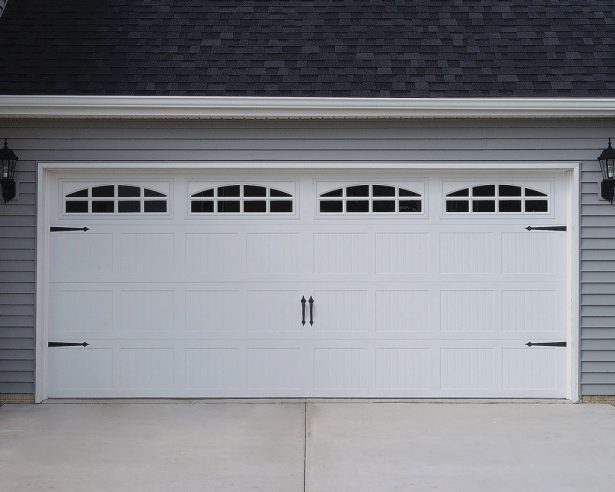
Creative garage door paint and finish ideas for Aussie homes
Curb appeal starts at the boundary of your property, and for many Australian households the garage door takes up a sizeable chunk of the front facade. Whether you live in a brick veneer in suburban Melbourne, a weatherboard cottage in Hobart, or a contemporary build on the Gold Coast, that big moving panel sets the tone before anyone reaches your front door. A thoughtful paint or finish can lift the whole street presence of a home without the cost of a full renovation.
Australia's climate is unforgiving on exterior surfaces. Intense UV along the Murray-Darling corridor, salt-laden breezes in Fremantle and Coffs Harbour, and the humid summers of Brisbane all put coatings through their paces. Choosing the right paint and finish for your garage door means thinking about more than the colour swatch from the Bunnings paint desk; it means considering how the surface will hold up over years of harsh Aussie conditions.
This guide walks through colour selection, finish types, wood-look techniques, paint-versus-stain decisions, and the prep work that makes a finish last. Along the way, you'll find practical ideas you can tackle in a weekend, plus a few that are worth calling in a tradie for.
Selecting colours that complement Australian architecture
Heritage streetscapes in suburbs like Paddington, Glebe, and North Adelaide often favour muted heritage palettes: deep olives, terracotta reds, and barn-style whites. If your home is a federation or a California bungalow, a soft monotone finish in a heritage tone lets the door recede into the facade rather than dominate it. Taubmans, Dulux, and British Paints all offer heritage ranges that nod to traditional Australian homes without looking like a museum piece.
Modern builds from developers like Metricon, Porter Davis, and the custom architects of Mosman and Brighton tend to favour stronger statements. Charcoal, monument, and even black garage doors are popular choices, often paired with rendered facades and timber accents. Many of these tones pull directly from the Colorbond range Australians already know from roofing and fencing, which creates a unified look across the property.
Coastal properties bring their own colour logic. In areas like Byron Bay, Noosa, and the Mornington Peninsula, weathered greys, sea-foam blues, and crisp whites echo the landscape. Light colours also reflect heat, which helps in homes where the garage sits on the western side of the block and bakes through January afternoons.
Finish types and their practical differences
The finish you choose affects both the look and the longevity of the job. Matte finishes hide imperfections on older timber doors, satin offers a subtle sheen that suits most modern homes, semi-gloss is the workhorse for easy cleaning, and high-gloss gives a show-car shine that demands near-perfect surface preparation. In salty coastal air, a higher-sheen finish also tends to release grime more readily when you rinse it down.
| Finish | Appearance | Durability | Cleaning ease | Best fit |
|---|---|---|---|---|
| Matte | Flat, no shine | Moderate | Difficult | Older timber with character |
| Satin | Soft sheen | Good | Easy | Most modern homes |
| Semi-gloss | Noticeable shine | Very good | Very easy | Family homes, busy driveways |
| Gloss | Mirror-like | Excellent | Effortless | Statement doors, contemporary builds |
For most Australian garages, a quality exterior semi-gloss or satin strikes the right balance. It tolerates the inevitable dust from a dry summer, washes down with a hose, and resists the fading that flattens matte finishes within a few seasons. If your door is a recent composite or aluminium, check the manufacturer's spec sheet before committing; some factory finishes reject standard acrylics and require a compatible primer.
Wood-look finishes without the timber maintenance
Timber-look garage doors are everywhere in newer Australian estates, but real timber comes with real upkeep. A faux-wood finish using a grain rocker, a base coat, and a tinted glaze lets you replicate the warmth of merbau, spotted gum, or blackbutt without the sanding and resealing cycle. The trick is layering: a solid base colour, a contrasting glaze dragged through the grain rocker, and a clear topcoat to lock it in.
The spotted gum tone is particularly popular because it echoes the native timbers used in so many Australian decks and fences. For Queenslanders and beach shacks, a bleached or whitewashed faux finish reads as relaxed and coastal. Practice the technique on a scrap sheet of MDF before you commit to the door, because the grain pattern is hard to undo once it dries.
Two-packs and water-based enamels have made this process much more DIY-friendly than it was a decade ago. With a steady hand, a foam roller, and a quality brush for the edges, you can complete a single door in a day. Many Australian paint brands now sell dedicated timber-look kits with the base, glaze, and topcoat pre-coordinated, which takes the guesswork out of matching tones. Long drying windows are a chance to put on a playlist; many DIYers pass the time with new Punjabi music videos playing in the background.
Paint versus stain: choosing the right coating
Paint forms a film on top of the surface, while stain penetrates into the wood. For garage doors that already show checking, nail holes, or patchy repairs, paint gives a uniform finish that hides the sins. For doors made of new, structurally sound timber, a quality exterior stain lets the grain breathe and ages more gracefully under Australian sun.
If your door is a genuine timber product like those from local makers or imported cedar panels, stain is often the longer-lasting choice. It won't peel the way paint can when timber moves with seasonal humidity, and touch-ups blend in rather than leaving obvious patches. The trade-off is a more frequent maintenance cycle; most stained doors need a recoat every two to three years, while a painted door in a sheltered position can stretch to five or six.
Decorative steel and aluminium doors almost always want paint. A direct-to-metal acrylic, applied over a suitable primer, holds colour well and resists the chalking that affects cheaper coatings. Whatever the substrate, the rule is the same: prep dictates how long the finish survives, especially in climates where summer temperatures push forty degrees and the door expands and contracts daily.
Prep work and long-term maintenance in tough climates
Surface preparation is the unglamorous half of any garage door repaint, and it is the half that determines whether the job lasts a couple of seasons or a decade. Pressure washing, sanding flaking paint flat, filling dents with an exterior filler, and masking the weatherstrip all pay back tenfold in the finished result. For coastal homes, a wipe-down with a mild detergent before sanding helps remove salt residue that would otherwise lift the new coating.
A primer suited to your substrate makes the colour coat perform as advertised. Timber wants an oil-based or stain-blocking primer, galvanised steel wants an etch primer, and previously painted surfaces benefit from a bonding primer if you are skipping back to bare material. Two thin colour coats beat one thick coat every time, and a final clear coat on doors exposed to full western sun will hold pigment longer.
Once the door is back in service, a light wash every few months and a quick scan for chips along the bottom edge will catch problems early. If you have a smart opener or have just had a new one installed, this is also a good moment to update your access code so the security of your freshly painted entry matches the way it looks.
Useful supplies for a weekend repaint
- Quality exterior paint in your chosen colour and finish, plus matching primer
- Sandpaper in 120 and 240 grit, plus a sanding block for flat panels
- A foam roller, a cutting-in brush, and a small angled brush for recessed panels
- Painter's tape, drop sheets, and a dust mask for the sanding phase
- A box of rags and a bucket for wiping down between coats
Common pitfalls worth sidestepping
- Painting in full midday sun, which causes the coat to flash-dry and bubble
- Skipping primer on bare timber or metal and expecting the topcoat to bond
- Using interior paint on an exterior door, where it chalks within months
- Forgetting to fully open and close the door during drying to avoid the seal sticking
- Leaving masking tape on for days, which can peel fresh colour when removed
A painted garage door is one of the highest-return weekend projects an Aussie homeowner can tackle. The materials cost a fraction of a replacement door, and a couple of coats transform the street appeal of the property almost overnight. Pick a colour that respects the architecture of your street, choose a finish built for your local climate, and give the prep the time it deserves. Once the door is dry and the tools are packed away, treat yourself to something relaxing on the back deck. Many homeowners like to unwind after a big DIY with a few rounds of European roulette online, which is easy to enjoy with a cold drink after a weekend of hard yakka.