Garage Door Light Fixtures That Boost Curb Appeal
The right exterior lighting can make a garage look like a deliberate part of the home rather than a large blank opening at the front of the property. Well-placed fittings highlight architectural details, improve visibility after dark and create a more welcoming arrival area without requiring a major renovation.
For Australian homes, the best choice needs to balance style with practical conditions. Strong sunlight, coastal air, summer storms and wide temperature changes can all affect outdoor fittings. A successful lighting scheme should suit the garage door material, complement the façade and provide dependable illumination for people, vehicles and security.
Match Fixtures To The Home’s Architecture
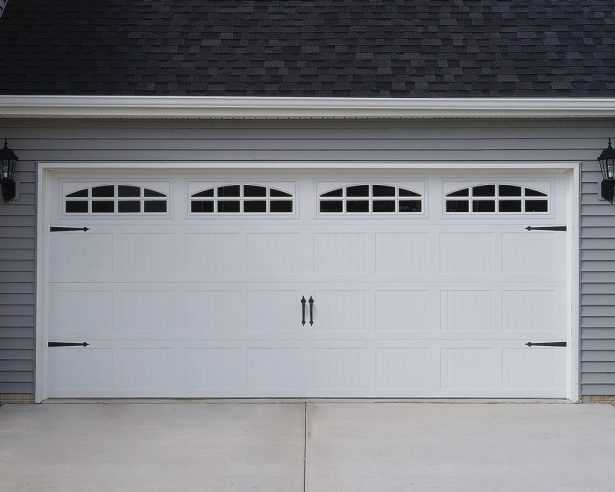
Traditional wall lanterns work well beside raised-panel, carriage-house and timber-look garage doors. Black, bronze or aged-brass finishes suit brick homes, Federation-inspired façades and weatherboard houses, while white or brushed-metal fittings blend neatly with rendered walls. Lanterns with clear or seeded glass can add character, although frosted glass is often easier to maintain because it disguises dust and insects.
Modern Australian homes commonly feature clean render, dark window frames and Colorbond roofing or garage doors. For these properties, slim cylinder sconces, rectangular LED wall lights and minimalist up-and-down fittings create a cohesive appearance. A pair of narrow lights on either side of a double garage can emphasise symmetry without competing with the door’s horizontal lines.
Proportion matters as much as finish. A fitting that is too small can disappear beside a wide sectional or roller door, while an oversized lantern may make the entry look crowded. As a general guide, fixtures installed beside a garage door should be large enough to read from the driveway but not wider than the surrounding trim. When there is only room for one fitting, place it near the pedestrian entry or on the side with the clearest approach.
Use Layered Lighting For Better Impact
A single bright floodlight rarely produces the most attractive result. It can flatten the façade, create harsh shadows and shine into neighbouring properties. Layered lighting is more effective: wall sconces provide a warm architectural glow, a ceiling-mounted fitting covers the immediate threshold, and low-level driveway or garden lights guide movement towards the garage.
Uplighting can draw attention to textured brick, stone pillars or a feature tree beside the garage. Downlights under an eave provide a discreet wash across the door and driveway, particularly when recessed fittings are chosen during a renovation. If the garage has a long frontage, repeat the same fixture at regular intervals rather than mixing several unrelated designs.
Colour temperature also changes the mood. Warm white light around 2700K to 3000K generally feels comfortable beside brick, timber and cream render. Neutral white around 3500K to 4000K gives a crisper look to contemporary façades and may improve visibility around a busy driveway. Very cool blue-white lamps can appear stark and often make a home feel less inviting.
For homeowners comparing automated options, lighting can be coordinated with the garage opener, remote controls and safety sensors. Product information and compatibility guidance for opener systems can help when a lighting upgrade is being planned alongside access or automation changes.
Choose Materials For Australian Conditions
Outdoor garage lighting in Australia must withstand ultraviolet exposure, wind-driven rain and airborne grit. Powder-coated aluminium is light and widely available, while stainless steel can be a strong choice in exposed coastal areas when it is a suitable marine grade. Brass and copper develop a natural patina, but their changing colour should be considered part of the design rather than treated as a fault.
In Sydney and Brisbane, humid summers and heavy rain can quickly reveal weaknesses in poorly sealed fittings. Homes near the coast, including parts of Perth, Adelaide and the Gold Coast, also need protection from salt-laden air. Look for outdoor-rated products with a suitable IP rating, sealed cable entries and corrosion-resistant screws. A fitting intended for a covered patio may not be suitable on an unprotected wall facing the street.
Bushfire-prone locations require extra care with surrounding planting, mounting positions and product selection. Light fittings should not sit against dry leaves, climbing plants or combustible decorative materials. Local planning requirements can vary, so homeowners should check the relevant council guidance and use a licensed electrician for permanent wiring. In Australia, electrical work connected to mains power should be carried out by a qualified professional rather than treated as a weekend installation project.
The local market offers plenty of practical choices through lighting specialists, electrical wholesalers, home improvement retailers and suppliers of garage doors. Bunnings and similar retailers may stock affordable sensor lights, while specialist showrooms often provide better options for coordinated finishes, high-quality LEDs and replacement components.
Improve Security Without Losing Style
Motion sensors are useful around garages because they illuminate the area when a vehicle arrives or someone approaches the door. Sensor sensitivity and detection range should be adjusted to avoid triggering every time a possum, passing car or swaying branch moves through the coverage area. A fitting aimed across the driveway usually performs better than one pointed directly at the footpath.
Dusk-to-dawn sensors provide low-level lighting throughout the night and can make the home appear occupied. Smart timers and connected systems offer additional control, but the technology should remain secondary to dependable illumination. A simple, well-positioned LED fixture is often more useful than a complicated system that is difficult to configure or maintain.
Security lighting should support visibility rather than create glare. Aim beams towards the ground and the face of the garage door, keeping neighbouring windows and the street out of the brightest part of the beam. Shielded fixtures reduce stray light and help security cameras capture clearer images by avoiding overexposed areas.
Lighting also improves everyday safety. A clearly visible threshold helps family members avoid uneven paving, while gentle illumination makes it easier to locate a keypad, insert a key or identify the correct remote control. This is especially valuable during winter evenings in Melbourne or when storms interrupt normal lighting in regional areas.
Plan Placement, Brightness And Maintenance
Before buying fittings, stand at the kerb and examine the garage from the same angle visitors will see it. Note the door width, roofline, windows, house number and existing porch lights. This simple view helps reveal whether the garage needs stronger framing, softer background light or a more balanced arrangement across the façade.
For a double garage, matching fixtures at both sides usually create the cleanest appearance. If the door occupies most of the frontage, compact vertical fittings can provide definition without reducing clearance for opening panels. Roller doors may benefit from lighting mounted beside the guides rather than directly above the curtain, while sectional doors often look best with sconces aligned around the outer edges.
Select brightness according to the task. A decorative wall light does not need to be as powerful as a dedicated driveway floodlight, and several moderate lamps are usually more comfortable than one high-output source. LEDs reduce energy use and have long service lives, but their drivers and seals still need inspection. Clean lenses periodically, remove cobwebs and check that motion sensors have not shifted after strong wind.
If a light begins flickering, trips a circuit or becomes unusually hot, switch it off and arrange a professional inspection. The same applies when a garage door opener, sensor or remote starts behaving unpredictably after an electrical change. Homeowners in Sydney, Melbourne, Brisbane and other Australian cities can use a local repair team when lighting work overlaps with door adjustment, opener faults or safety concerns.
A coordinated maintenance check is worthwhile before the wetter months or a period when the house will be vacant. Inspect mounting screws, cable covers and seals, and look for corrosion around brackets. Replacing a degraded fitting early is less disruptive than waiting until moisture reaches the wiring or an important entry light fails at night.
A well-designed scheme turns the garage into part of the home’s visual identity. Choose fittings that echo existing hardware, use warm or neutral light that suits the façade, and position each source to provide useful illumination without glare. With weather-resistant materials, sensible controls and professional electrical installation, garage door lighting can improve kerb appeal, safety and daily convenience for years. Review the frontage after sunset, replace mismatched or failing fixtures, and make the lighting upgrade part of the next home maintenance project.