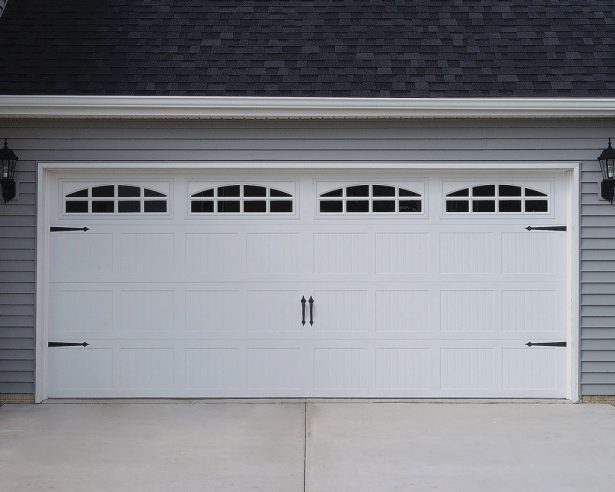
Garage door maintenance checklist for every season
Australia's climate stretches from tropical humidity in Darwin to chilly winters in Hobart, and the same garage door can face salt-laden coastal breezes in Perth, intense UV in Brisbane, and dust storms in outback towns. That variability is why a single annual tune-up rarely keeps a door working reliably. A schedule built around the four seasons helps homeowners catch small issues before they become expensive repairs and keeps the door safe, quiet, and energy efficient.
The following guide walks through practical tasks suited to Australian conditions, including the bushfire-prone edges of Melbourne's suburbs, cyclone regions up north, and the cooler southern capitals. It also covers hardware, opener care, and the moments when calling a trained technician is the smarter move.
Spring: refreshing your door after the cooler months
Spring is the natural moment to wash away the grime of winter and check for any moisture-related damage. In coastal suburbs from Sydney to Adelaide, salt crystals build up on metal tracks, hinges, and springs, slowly eating through protective coatings. A gentle rinse with fresh water, followed by a wipe-down with a mild detergent, removes most of this residue. Inland, pollen and dust tend to clog the tracks and the photo-eye sensors near the floor, so vacuuming the track and wiping both sensor lenses with a soft cloth is time well spent.
Spring is also a good time to test the door's balance. Disconnect the opener and lift the door manually halfway; a well-balanced door should hover in place without drifting up or down. If it moves, the springs likely need adjustment, which is a job for a professional because torsion springs store enough energy to cause serious injury. A quick visual check of the bottom seal and side weatherstripping rounds out the spring routine.
Summer: defending against heat, UV, and bushfire risk
Australian summers can be brutal on garage doors. Steel panels expand in direct sun, and the seals along the bottom and sides of the door can dry out, crack, or shrink, leaving gaps that let hot air, dust, and embers into the garage. Inspecting seals and replacing any that have hardened is a quick task with a big payoff. For homes in designated bushfire-prone areas, such as the Adelaide Hills or the fringes of the Blue Mountains, sealing those gaps is also a practical part of preparing the property for the fire season.
If the garage door faces west or north and gets full afternoon sun, consider applying a UV-resistant coating or simply adding exterior shading. Roller doors in particular benefit from lighter colours, which is why Colorbond finishes in pale tones are popular across new builds in Queensland and Western Australia. Test the opener's safety reverse feature during summer as well; heat can affect the sensitivity of the mechanism, and a working reverse is essential when children are playing in the driveway.
Autumn: getting ready for cooler, wetter weather
Autumn is preparation season. As temperatures drop in Melbourne, Canberra, and the Tasmanian north-west, it's worth inspecting the weatherstripping around the door, particularly the bottom seal that brushes the concrete. A worn or torn seal lets cold air, water, and leaves into the garage, which can damage anything stored inside and place extra strain on the opener as it works harder to lift a stiff door.
Clear any leaves or twigs from the gutter line directly above the door, because blocked gutters can overflow and pour water straight down the face of the door. While you're outside, run your hand along the tracks and look for signs of rust. Australian homes within a few kilometres of the coast often see surface rust appear on tracks and hinges within five to ten years, and a light sanding followed by a rust-inhibiting spray can extend their life significantly. Tightening track bolts and bracket screws before the wet season also helps the door stay aligned through the storms ahead.
Winter: keeping the cold and damp at bay
Winter brings shorter days and, in the southern states, real cold. Metal contracts in low temperatures, which can change how the door sits in its tracks and how smoothly the rollers move. A silicone-based lubricant applied to rollers, hinges, and the spring assembly keeps everything moving freely even on chilly mornings. Avoid thick grease, which can gum up in the cold and attract dust.
Condensation is another winter issue, especially in uninsulated garages in places like Ballarat or Katoomba. Moisture on metal parts accelerates rust, so wiping down exposed hardware during a routine check is helpful. If you want a deeper walkthrough, this guide on winterizing your door covers insulation, weatherstripping, and seal upgrades in more detail. Replacing remote batteries at the start of winter also prevents the frustration of a door that refuses to open on a frosty morning.
Year-round care: hardware, openers, and access systems
Some components deserve a quick look every season, regardless of where you live. The rollers, hinges, springs, and cables carry the entire weight of the door and take the brunt of every cycle. Visually inspect them for fraying cables, bent hinges, or rollers that look chipped or flat-spotted. A roller that doesn't spin freely should be replaced; a flat-spotted one makes a popping noise as the door moves. Tighten the bolts that hold the tracks to the wall and the brackets to the ceiling, because vibrations from daily use can slowly loosen them.
The opener itself is often the most expensive component, so a little care extends its life considerably. Once a year, vacuum around the motor unit to remove dust and spider webs, which are common in Australian garages and can cause overheating or interfere with the safety sensors. Test the manual release by pulling the cord and lifting the door; it should release smoothly and re-engage when the door is brought back down. For households that share access with tradespeople, kids, or short-term guests, learning how to handle a code-change properly is also worthwhile, since rolling the access code at the start of each season keeps the garage secure without needing a locksmith.
Some tasks are firmly in the professional's domain. Torsion spring replacement, cable swaps, and major panel repairs all involve stored energy or heavy components that can cause serious harm without the right tools and training. In Australia, garage door technicians are required in most states to hold specific licences for electrical and spring work, so always confirm credentials before booking. A reputable local service will provide a written quote, warranty their work, and be familiar with the specific brands popular in your area, whether that's B&D, Gliderol, Centurion, or one of the international names now stocked at major retailers.
Seasonal tasks at a glance
The following summary pulls the key jobs into a single view, making it easy to plan a quick walkthrough at the change of each season. Use it as a printed reference taped inside the garage door or saved as a note on your phone.
| Task | Spring | Summer | Autumn | Winter |
|---|---|---|---|---|
| Wash exterior and rinse salt | Yes | Light wash | Yes | Light wash |
| Inspect and replace seals | Yes | Yes | Yes | Yes |
| Lubricate moving parts | Yes | Yes | Yes | Yes |
| Test balance manually | Yes | — | Yes | — |
| Test safety reverse | Yes | Yes | — | Yes |
| Clear gutters above door | — | — | Yes | — |
| Check for rust | Yes | — | Yes | Yes |
| Replace remote batteries | — | — | Yes | Yes |
| Roll access codes | Yes | — | — | Yes |
| UV or fire-readiness check | — | Yes | — | — |
Habits that keep your door reliable year after year
- Walk through a five-minute visual check at the change of every season.
- Listen for new noises rather than waiting for a breakdown to happen.
- Keep a small spray of silicone lubricant and a soft cloth in the garage for quick touch-ups.
- Photograph the door and its components once a year so you can spot gradual changes.
- Book a professional service every two to three years, even if nothing seems wrong.
- Record the date of every maintenance task in a simple notebook or phone note.
- Treat the door as part of the home's weatherproofing, not just an entry point.
A garage door that receives a small amount of attention four times a year will usually outlast one that's ignored for a decade. Schedule a 20-minute walkthrough at the start of each season, keep the contact details of a trusted local technician handy, and address small issues the moment they appear. Browse the rest of our garage door guides for design inspiration, repair advice, and step-by-step programming instructions tailored to Australian homes.