Choosing the right garage door material for Australian homes
Australia's harsh sun, salt-laden coastal breezes, and bushfire-prone landscapes make material choice more than a cosmetic decision. From the fibro shacks of yesteryear to the modern architectural builds popping up around Brisbane's inner suburbs, the materials we wrap around our garages shape how our homes cope with the elements. Picking the wrong cladding can lead to warping in Darwin's humidity, corrosion in Port Macquarie's salty air, or a complete failure to meet BAL ratings in Adelaide Hills developments.
Understanding the trade-offs between timber, steel, aluminium, and composite options helps homeowners balance kerb appeal with long-term durability. Whether you're leaning toward a classic timber look in a Hamptons-style renovation in Melbourne's Brighton or a sleek roller door for a townhouse in Sydney's Inner West, the material sets the tone for maintenance schedules, insulation values, and resale appeal. The five most common categories each bring something different to the table, and the right pick often comes down to your postcode-specific conditions.
Timber garage doors and the real-world caveats
There's no denying the warmth of a solid timber garage door, particularly when paired with the weatherboard facades popular throughout Queensland's character suburbs. Cedar and meranti remain go-to species, though locally sourced spotted gum has gained traction in bushfire-designated zones thanks to its natural density and slow burn rate. A timber door can be stained to highlight grain patterns or painted in heritage colours to match federation-style homes in suburbs like Petersham or Glenelg.
Timber demands commitment, however. Untreated or poorly sealed surfaces will grey out within a year or two under the western sun hitting a north-facing driveway in Perth. Worse, timber is a feast for termites, and homeowners in newer Brisbane developments or older Darwin properties should weigh the risk carefully. Regular resealing every 18 to 24 months is the trade-off most folks accept for that authentic timber aesthetic, though some modern composite timbers now offer the same look with far less upkeep.
Steel sectional doors: a practical choice for most suburbs
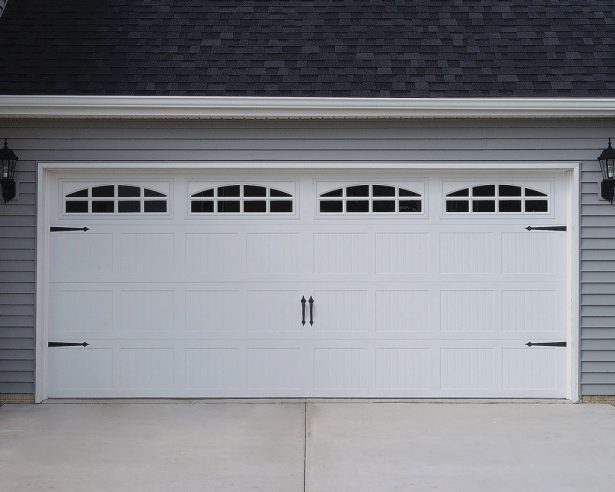
Steel has earned its place as the default material for new garage door installations across most of the country. COLORBOND-inspired finishes have trained Australian buyers to expect a colour-matched panel that blends with roofing, gutters, and fencing, and steel sectional doors deliver that integration cleanly. The material handles temperature swings well, shrugs off impacts from basketballs or wayward side mirrors, and offers solid insulation when paired with a polystyrene-core sandwich construction.
The downside shows up in coastal postcodes. Within a kilometre or two of the surf at Bondi or the Mornington Peninsula shoreline, untreated steel will rust along cut edges and panel joins. Manufacturers respond with marine-grade coatings and stainless steel hardware, but these upgrades push prices north. For suburban blocks in Adelaide, Canberra, or the western reaches of Melbourne, however, standard steel panels remain the smart middle ground, durable, affordable, and visually consistent with the surrounding streetscape.
Aluminium roller doors built for the coast
Where the air tastes like salt, aluminium roller doors thrive. The material doesn't rust, which makes it a favourite for homes in Gold Coast canals, Cairns beachside properties, and the elevated blocks around Wollongong. Aluminium is also remarkably light, putting less strain on the motor and tracks. That lighter weight can be a real benefit if you're selecting the right opener for a larger double garage or one with limited ceiling clearance.
Roller doors typically store in a compact drum above the opening, freeing up ceiling space for storage racks or hanging kayaks, a feature that resonates with the boat-owning crowd along the Pittwater and Swan River. The trade-off is insulation: single-skin aluminium panels don't insulate particularly well, which can be a problem in climates like Hobart's chilly winters or Canberra's frosty mornings. Double-skinned insulated aluminium doors exist but sit at the premium end of the market.
Fibreglass and composite doors in the middle ground
Fibreglass-reinforced panels and modern composites have carved out a niche among homeowners who want the look of timber without the maintenance schedule. These products resist fading under the brutal UV index found across most of inland Australia and won't swell, crack, or warp when humidity swings between dry inland heat and coastal damp. Brands offering wood-grain finishes have improved dramatically in the last decade, and the better products are hard to distinguish from real timber at a glance.
These materials handle bushfire zones reasonably well, with many achieving BAL-29 ratings when paired with the right framing and seals. That makes them worth considering for rural builds in the Adelaide Hills or the edges of the Yarra Ranges. Composite doors also tend to be lighter than solid steel, which simplifies the installation and reduces wear on hinges and tracks. The catch sits in price: composites typically cost more than standard steel panels, though less than premium hardwoods, putting them in a middle tier that suits many renovation budgets.
Matching the door to your driveway and street profile
Material choice gets interesting when you factor in the broader streetscape. A rendered modern home in Fremantle or Brunswick often calls for the clean lines of a steel or aluminium sectional door, while a brick veneer in the leafy streets of Burnside or Indooroopilly leans toward timber or composite for a softer look. Driveway gradient matters too: a steep slope into the garage, common on sloping blocks around Sydney's North Shore or Hobart's West Hobart, limits the practical use of swing-out designs and pushes buyers toward roller or sectional configurations.
Security is another practical layer. Thicker steel panels with reinforced struts offer real resistance to forced entry, which can matter for detached garages on acreage properties in the Hills District or outer Geelong. Lighter aluminium or fibreglass panels can be reinforced, but you generally get less inherent strength. If you're upgrading an older door, consider pairing the material swap with a quick visit to your keypad or remote setup, particularly if you're resetting a Craftsman opener after a recent move or battery replacement. A new door on an old locking mechanism defeats half the purpose.
Take the next step by visiting local suppliers with showrooms in your nearest capital city, asking to see colour samples against your actual exterior, and requesting written quotes that break down panel gauge, insulation R-value, and BAL compliance. A garage door is one of the few exterior features that gets used multiple times every day for fifteen years or more, so the material decision deserves more than a quick glance at a catalogue photo.