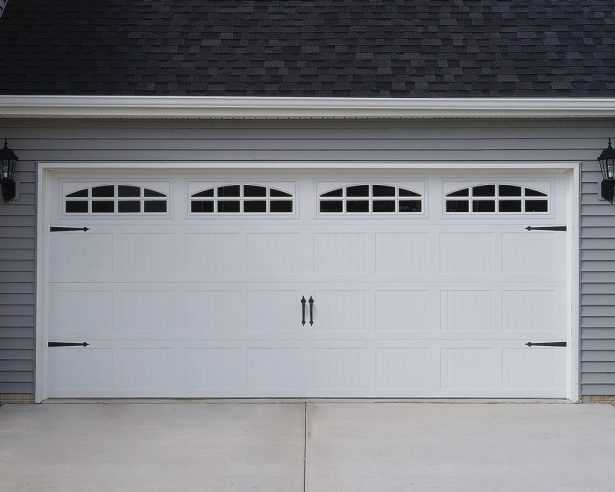
Garage door roller replacement for quieter operation
A garage door that rattles, squeals, or shudders as it opens can make the whole house feel noisier. Worn rollers are often responsible, especially when the door is used several times a day as a main entry point. Replacing them can reduce friction, improve movement, and protect the tracks from further wear.
For Australian homeowners, the right replacement depends on the door’s weight, track design, climate, and how much noise reaches living areas. A quiet roller upgrade is useful in detached homes, townhouses, and strata properties where bedrooms may sit above or beside the garage.
| Roller type | Typical noise level | Durability | Best suited to |
|---|---|---|---|
| Steel rollers | High | Good | Budget repairs and older doors |
| Nylon rollers without bearings | Low to moderate | Fair | Light residential doors |
| Sealed-bearing nylon rollers | Very low | Very good | Homes where quiet operation matters |
| Heavy-duty nylon rollers | Low | Excellent | Wide, insulated, or frequently used doors |
How rollers affect garage door noise
Rollers sit inside the vertical and horizontal tracks, allowing the door sections to travel smoothly between the closed and open positions. When a roller becomes cracked, flat-spotted, rusty, or loose in its bracket, it can create vibration. That vibration travels through the tracks, hinges, and door panels.
Steel rollers usually produce the most sound because their hard surfaces transmit movement directly into metal tracks. They can also squeak when lubrication is poor. Nylon rollers are quieter because the wheel material absorbs some vibration, while sealed bearings reduce resistance and eliminate the need for frequent bearing lubrication.
A noisy door may have several causes at once. Hinges, springs, tracks, loose fasteners, and the opener can all contribute. Replacing rollers is most effective when the rollers are visibly damaged or the sound changes as individual wheels pass through the track.
Signs that replacement is due
Listen for repetitive clicking, grinding, squealing, or a rumbling sound that occurs at regular points during travel. Open the door slowly by hand, with the opener disconnected, and watch each roller. A wheel that wobbles, sticks, fails to spin, or jumps inside the track should be inspected closely.
Look for split nylon, corrosion around a steel wheel, worn bearing caps, or a stem that is bent where it enters the hinge. A door that rocks from side to side may also have worn rollers or loose hinges. If one roller has failed, the others may be close to the same age and condition.
Do not ignore a door that feels unusually heavy or drops quickly. Those symptoms may involve the springs or counterbalance system rather than the rollers. In that situation, continuing to operate the door can damage the opener and create a serious safety risk.
Choosing a quieter roller
Sealed-bearing nylon rollers are generally the best choice for a quieter residential garage. The nylon wheel limits metal-on-metal vibration, while the sealed bearing allows it to turn smoothly without regular bearing oil. Select a roller with the correct diameter, stem length, and load rating rather than choosing by appearance alone.
Many Australian sectional doors use rollers around 46 to 48 millimetres in diameter, but dimensions vary between manufacturers and door models. Measure an existing roller and check the door documentation before ordering. The roller must fit the track profile without binding, and its stem must sit correctly in the hinge bracket.
For a coastal home in Brisbane, Sydney, Perth, or another salt-exposed area, corrosion-resistant components are valuable. Stainless or plated stems and sealed bearings can withstand damp air better than unprotected steel. In inland areas, dust can shorten bearing life, so a sealed design and regular track cleaning are practical choices.
If connected sensors or a smart opener are being added during the repair, keep the mechanical work separate from the electronics. Resources from the edge technology association can provide general background on connected devices, but they do not replace the opener manufacturer’s installation instructions.
Preparing for a safe replacement
Before touching the rollers, close the door fully and disconnect the automatic opener from mains power. Pull the emergency release only when the door is closed unless the door is securely supported. A raised sectional door can be heavy enough to move unexpectedly when the opener is disengaged.
Wear gloves and eye protection, and keep children, pets, and vehicles away from the work area. Never remove bottom rollers or alter cables, drums, or torsion springs as part of a simple roller replacement. These parts can be under substantial stored tension and should be handled by a qualified garage door technician.
Gather replacement rollers, a socket set, spanners, a clamp, and a rag. Avoid using a pry bar to force a roller out of a track. Bending the track may create a second problem that causes the door to bind or come off its alignment.
Replacing rollers on a sectional door
Start with the top rollers and work down one position at a time, keeping the door supported and stable. Remove the fastener securing the roller hinge, slide out the old wheel, and place the new roller into the bracket. Tighten the fastener firmly without crushing the hinge or restricting the wheel.
The track should not be pulled widely away from the roller. On many sectional doors, the roller can be guided out through the track opening near the curved section, but the exact method varies. If the track is enclosed, heavily distorted, or difficult to access, stop rather than forcing the component.
After each replacement, move the door a short distance by hand. The wheel should rotate freely and remain centred in the track. Replace rollers in matching sets where possible, since mixing very different wheel sizes or bearing designs can make the door travel unevenly.
Top roller brackets often allow adjustment. Make small changes only, ensuring the door sections remain aligned and the rollers are not pressed hard against either side of the track. Incorrect adjustment can increase noise instead of reducing it.
Lubricating and aligning the system
Clean dust and old residue from the tracks with a dry cloth. Tracks should guide the rollers, not be greased heavily. Thick grease attracts grit and can make the wheels drag, particularly in dusty regions or garages that open directly onto driveways.
Use a garage-door lubricant sparingly on roller bearings, hinge pivots, and other manufacturer-approved moving points. Do not spray lubricant on the door’s lifting springs unless the product instructions specifically allow it. Keep lubricant away from the track surface where it can collect dirt.
Check that track bolts are tight and that the vertical tracks are parallel. Look for dents caused by vehicles, storage items, or accidental impact. A small track distortion can cause a new roller to rub and create the same rattling sound the repair was meant to solve.
Reconnect the opener only after the door moves smoothly by hand. Test the automatic cycle from a safe position, then check the reversing function using a suitable test object according to the opener manual. If the door reverses unexpectedly, strains, or closes unevenly, stop using it until the fault is assessed.
When a professional repair is safer
A roller replacement is a reasonable maintenance task when the door is stable and the damaged parts are easy to access. Professional help is the safer option when cables are loose, springs are broken, the door is bent, or the track has pulled away from the wall. A qualified technician can also check the balance and opener force after the work.
Australian homes present practical variations. In Melbourne and Canberra, cold mornings can make lubricants thicker and expose stiff bearings. In tropical areas such as Darwin and northern Queensland, humidity and heat can accelerate corrosion. Coastal salt, airborne dust, and frequent daily use all affect the expected service life of rollers.
Strata residents should check building rules before arranging work, particularly when a garage door forms part of a shared façade or common property. Electrical work on an automatic opener should be carried out by an appropriately licensed electrician, while door repairs should follow the manufacturer’s instructions and applicable Australian requirements, including relevant provisions of AS/NZS 4505 for garage doors and large access doors.
Replacing rollers may also reveal that the opener needs adjustment or replacement. For programming, remotes, and code-related tasks on common residential systems, a homeowner can consult an opener programming guide, then arrange professional service if the unit still behaves unpredictably.
Keeping the door quiet after the repair
Operate the door by hand every few months and observe whether the rollers remain centred. Wipe away grit, inspect the wheel surfaces, and listen for a new clicking pattern. Early attention is usually less expensive than waiting for a roller to seize and damage a hinge or track.
Avoid hanging tools, bicycles, or storage from the door. Extra weight can change the balance and place greater load on rollers and hinges. Keep the garage entrance clear so vehicles do not strike the lower sections or tracks.
A quiet door should move steadily without scraping, hesitation, or loud vibration. If the sound returns soon after installing new rollers, the underlying issue may be a bent track, worn hinge, incorrect alignment, or an opener setting rather than the replacement wheels.
Choose rollers by measurement and load rating, isolate the opener before work, and leave springs and cables to a trained technician. With the right components and careful alignment, a roller upgrade can make daily garage access noticeably smoother and quieter. For persistent noise or unsafe movement, arrange an inspection with a reputable local garage door professional before continuing to use the system.