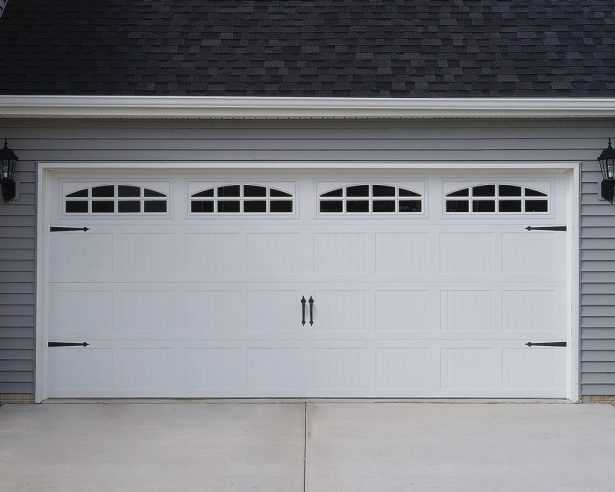
Garage door spring types: torsion vs extension
A garage-door spring is the counterbalance behind smooth movement. It offsets the weight of a sectional door so you can lift it manually or operate it with an opener without the door dropping, slamming or straining the motor. The spring system also controls how quickly the door closes when the opener is disconnected.
Most modern sectional garage doors use torsion springs, while extension springs are more common on older, lightweight doors. Roller doors use a different counterbalance arrangement altogether. Understanding how each system works helps you identify symptoms, compare repair options and ask a local technician for the right service.
A balanced door should travel evenly, remain stable when stopped and close under control. If it becomes heavy, noisy or difficult to hold open, the springs are only one possibility; tracks, rollers, hinges, cables and opener settings should also be checked before parts are ordered.
How the two spring systems work
In a torsion system, one or more springs sit horizontally above the door opening on a torsion shaft. As the door rises, the shaft turns and releases stored energy through cables wrapped around drums. The cables connect to the lower door brackets and support the door’s weight. The number, size and winding tension of the springs must match the door’s height, weight and construction.
| Feature | Torsion spring system | Extension spring system |
|---|---|---|
| Position | Horizontal spring above or inside the door opening | Springs run alongside the horizontal tracks |
| Operation | A wound shaft turns as the door opens and cables unwind from drums | Springs stretch as the door opens and contract as it closes |
| Typical application | Modern sectional doors, including insulated or heavier models | Older, lightweight sectional doors |
| Main components | Spring, shaft, cones, drums, cables and centre bracket | Springs, upper track brackets and lower anchor points |
| Installation | Requires correct spring sizing, tension and winding procedure | Requires the correct spring length, wire size and anchor position |
| Safety concern | Stored energy and winding cones can cause severe injury | Stored energy can release suddenly if a spring or hook fails |
Extension springs are usually installed in pairs, one on each side of the door. Each spring connects an upper track bracket to a lower corner bracket. As the door opens, the spring extends and stores more energy, pulling the door toward a balanced position. These systems are economical for suitable doors, but they are not a universal replacement for torsion springs.
What Australian homes and climates change
Australian suppliers generally work in millimetres and kilograms, unlike many North American guides that use inches and pounds. This matters when researching parts or following overseas repair instructions. An older sectional door may have extension springs simply because torsion systems were less common when it was installed, but a heavier insulated replacement needs a fresh weight calculation rather than the old spring specification.
Climate also affects the surrounding hardware. Salt-laden air around Sydney and Melbourne can encourage corrosion, while Brisbane’s humidity, Perth’s heat and dust, and Canberra’s temperature swings can each shorten the life of seals, rollers and moving parts. Inspect rust or surface damage closely, particularly on spring hooks and brackets, but do not judge spring strength by appearance alone.
Strong winds near Albany and in cyclone-prone northern Queensland make properly rated tracks, guides and door construction important. A spring choice never substitutes for a wind-rated system. Aussie homeowners also often treat the garage as a working “shed”, so quiet operation, secure closing and dependable access matter as much as basic opening.
Recognising signs of spring wear
Common warning signs include a door that suddenly becomes much heavier, slams before reaching the floor, will not remain open or pulls unevenly to one side. A noisy drive or an opener that reverses may also indicate a balance problem. Visible cracks, flattened coils, rust or damaged spring anchors are stronger evidence that the door needs professional attention.
Basic checks can rule out simpler causes. Look for obstructions, debris in tracks, loose rollers, bent hinges and uneven gaps. An opener’s force setting may also need adjustment, but it should not be changed blindly to compensate for a heavy door. Do not lift or pull the door if a spring is broken or the counterbalance feels unreliable.
Useful fault-finding guidance can help separate track and roller faults from balance problems. If the door has dropped, a spring may be broken, disconnected or wound incorrectly. Keep away from the lower corners and cables, because either can recoil under extreme tension. Do not attempt to catch, straighten or remove a damaged spring.
Repairing or replacing a spring safely
A qualified garage-door technician should inspect the complete system before recommending replacement. The correct spring depends on more than the opening width: door height, panel material, insulation, solid weight, hinge arrangement and operating frequency all influence the required load. Matching the spring chart to the actual door is essential.
Spring replacement and tension adjustments are not routine do-it-yourself work. Torsion systems may require winding bars, correct cone placement and a specified number of turns. Extension springs need the right length, gauge and anchor position, and removing one from a tensioned door can release enough energy to cause serious injury.
Opener programming is a separate job from spring work. If the opener is a compatible Chamberlain, Craftsman or Linear model, the opener code changes resource explains common programming sequences. Check the exact model and local electrical requirements first, since programming methods can vary between products and regions.
After a spring is replaced, the technician should test travel, manual hold points, closure speed and opener force. Cables, drums, centre brackets and lower anchors should be inspected at the same time because a balance failure often develops alongside wear elsewhere. Ask for a written service history and a warranty on both parts and workmanship.
A safer spring-selection checklist
Use this checklist before choosing a spring system or approving a replacement:
- Confirm whether the door is sectional or roller, because roller doors use a separate counterbalance mechanism.
- Measure the opening and establish the door’s actual weight, including insulation and any solid panels.
- Select the system from the manufacturer’s weight and size chart, not simply by comparing the visible springs.
- Match spring parts, drums, cables, brackets and centre supports as an integrated system.
- Choose a qualified local technician with experience on the appropriate door type and Australian conditions.
- Inspect and service the complete door periodically instead of treating the spring as a maintenance-free component.
When comparing quotes, ask whether the price includes removal, installation, cable adjustment, opener testing and a safety inspection. A lower quotation that omits essential hardware or balance checks may not be the better value. The technician should also explain why the selected spring suits the door’s weight and how often it will be used.
Keep the door balanced for years
A balanced spring system is only one part of an efficient garage door. Weather can still enter around the edges, and damaged or compressed garage door weatherstripping can allow heat, dust, noise and moisture through the opening. Check the bottom seal and side gaps separately from the spring system.
Routine care is simple: clear the tracks, keep the moving parts dry, inspect brackets for corrosion and listen for changes in movement. Never make spring adjustments yourself, even if the door opens normally. If the door becomes heavy, lands unevenly or makes new noises, have it rebalanced before the problem damages the opener.
Book a qualified local garage-door technician for a spring inspection and full safety check. Ask for the correct spring specification, an explanation of the repair and a clear maintenance plan. That gives your garage a balanced door, dependable opener control and safer everyday access.