How to Choose Garage Door Colors for Dark Exteriors
A dark exterior can give a home a crisp, contemporary appearance, especially when charcoal cladding, black window frames, stonework, or deep-toned brick are part of the design. The garage door often occupies a large section of the front elevation, so its colour has a significant effect on whether the façade feels balanced or visually heavy.
The best garage door colour is rarely chosen in isolation. Roof tiles, gutters, downpipes, driveway paving, fencing, front doors, and nearby landscaping all influence how the door will look in daylight. A shade that appears refined on a small paint card may seem much stronger when applied across a double garage.
Australian conditions add another layer to the decision. Intense sun, high summer temperatures, coastal air, dust, and bushfire regulations can affect the suitability and long-term appearance of a finish. A colour should complement the house while remaining practical for the local climate and the door’s material.
It is also worth considering how the door will age. Dark surfaces can show fading, salt residue, dust, and scratches more readily than mid-tone finishes. Careful sampling, appropriate materials, and sensible maintenance will help the garage remain an asset rather than an overpowering feature.
Start With the Exterior’s Undertone
Dark exteriors are not all the same. A near-black façade may have cool blue or grey undertones, while dark brown brick, sandstone, and warm timber usually sit comfortably with beige, cream, bronze, or muted olive shades. Identifying this undertone is a useful first step before comparing garage door colours.
For a cool charcoal exterior, consider a slightly lighter grey, graphite, or soft black door. These shades maintain a coordinated appearance without making every surface blend into one dark block. If the home has warm brick or rendered walls, cream, taupe, mushroom, and subdued greige can create a more welcoming contrast.
A monochromatic palette can work well when the finishes differ in texture. For example, a matte dark sectional door beside smooth painted cladding may look layered rather than flat. A timber-look garage door can introduce warmth without requiring a completely different colour family.
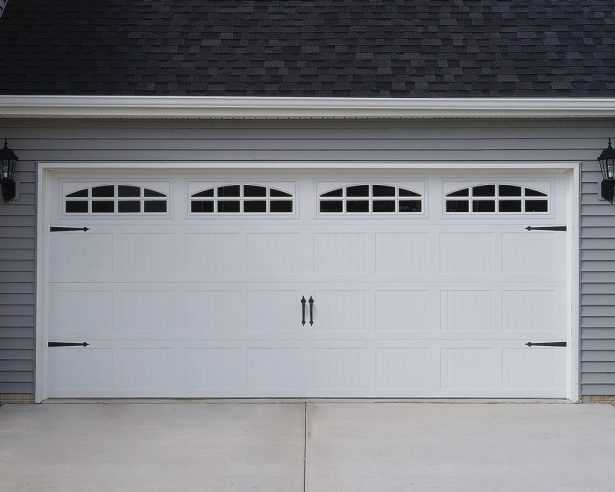
Pure white can be striking against a black home, although it creates a high-contrast focal point. If that effect feels too severe, try warm white, light stone, or pale grey. These alternatives soften the transition between the garage, driveway, and surrounding walls.
Consider Australian Light and Climate
Australian sunlight can make dark paint look more intense and can accelerate fading on exposed elevations. In Brisbane and Perth, strong sun and heat may make a south-facing colour behave differently from the same product on a shaded elevation. Always inspect samples outdoors at several times of day rather than relying on indoor lighting.
Homes near Sydney beaches, the Gold Coast, Adelaide’s coast, or other salt-air environments need finishes that can tolerate moisture and airborne salt. Powder-coated aluminium and steel doors are available in durable finishes, but the coating still benefits from regular rinsing with clean water. Avoid assuming that a premium colour eliminates the need for maintenance.
Bushfire-prone areas require additional care. The National Construction Code and state or territory requirements may influence the garage door assembly, surrounding construction, vents, seals, and materials where a property has a relevant Bushfire Attack Level. Colour alone does not determine compliance, so confirm the complete door specification with the installer and local authority.
Heat absorption also deserves attention. Very dark doors may become hot to the touch and can contribute to expansion or finish stress, particularly on broad, sun-facing double garages. This does not automatically rule out black or charcoal, but it makes product quality, ventilation, and manufacturer guidance more important.
Match the Door to the Home’s Architecture
Contemporary homes often suit charcoal, black, deep bronze, or cool grey garage doors with simple horizontal lines. A flush-panel door can reinforce a minimalist façade, while narrow ribbed profiles add texture without introducing a competing pattern. Keep the colour consistent with window frames or metal screening for a controlled appearance.
For Federation, cottage, or traditional brick homes, muted greens, warm greys, timber tones, and heritage-inspired creams can feel more natural than stark black. A carriage-house design may add character, but decorative handles and cross-bucks should relate to the front door and other period details rather than appearing as isolated decoration.
In a coastal setting, pale grey, white, soft blue-grey, and natural timber effects can balance dark cladding while echoing the surrounding landscape. In inland areas, earthy brown, sand, olive, and rust-toned accents may work better with dry gardens, exposed aggregate, and warm masonry.
The door style changes the perceived colour as well. Window inserts, diagonal bracing, raised panels, and decorative hardware break up a large surface and create shadows. A dark colour on a highly detailed door can look busy, while a simple door may need a subtle contrast to prevent the front elevation from appearing blank.
Test Colour, Sheen, and Scale
Small swatches can be misleading because colour appears stronger across a wide garage door. Paint or obtain large sample boards and position them outside against the actual cladding. Check them in morning sun, afternoon sun, shade, and artificial light from the driveway.
Sheen affects both appearance and maintenance. Glossy finishes reflect light and can highlight dents, ripples, and surface marks. Satin and low-sheen finishes are usually easier to integrate with modern façades, while textured coatings can disguise minor imperfections and provide visual depth.
Compare samples with the roof, driveway, front door, and garage hardware rather than viewing the door by itself. A charcoal door may look blue beside cool white render but brown beside warm sandstone. Photographing the samples can help reveal these shifts, although a physical comparison remains more reliable.
The surrounding proportions matter too. On a narrow single garage, a contrasting colour can make the opening appear more deliberate. On a wide double or triple garage, a strong dark shade may dominate the front of the home. Breaking up the elevation with planting, lighting, or a lighter trim can restore balance without changing the entire door.
Plan Around Materials and Maintenance
Steel garage doors are popular because they offer strength, design flexibility, and a wide range of factory finishes. Aluminium may be useful where corrosion resistance and lighter operation are priorities, while timber provides warmth and natural variation but requires more ongoing care. Composite and timber-look products can offer the visual character of wood with a simpler maintenance routine.
Ask how the chosen coating performs in the local environment, whether touch-up products are available, and what cleaning method the manufacturer recommends. Abrasive pads, harsh chemicals, and pressure washing at close range can damage a protective finish. A soft brush, mild detergent, and low-pressure rinse are often safer starting points.
The colour decision should also be made alongside hardware planning. Tracks, handles, hinges, windows, weather seals, and opener components should look intentional against the door. If the door is frequently used as the main household entry, consider how fingerprints, dust, and hand marks will appear on the selected surface.
Garage door repairs involve moving panels, cables, rollers, and counterbalance components. Before attempting any work, review reliable spring safety guidance and arrange qualified service for damaged or tensioned parts. A well-chosen colour cannot compensate for unsafe operation or neglected mechanical maintenance.
Avoid Common Colour Selection Mistakes
A coordinated front elevation requires more than choosing the darkest shade available. The following checks can help homeowners compare options realistically and avoid an expensive mismatch:
- Sample the colour outdoors on a large board before placing an order.
- Compare the door with the roof, driveway, brickwork, render, and window frames.
- Check whether the finish is suited to strong sunlight, salt air, and local weather.
- Confirm any BAL, National Construction Code, strata, or council-related requirements.
- Choose a sheen and texture that will hide ordinary dust, marks, and minor wear.
- Ask for the coating warranty, cleaning instructions, and expected colour stability.
- Match decorative hardware, lighting, and entry doors to the selected colour family.
It is wise to obtain written specifications from the installer, particularly for custom colours, powder coating, timber stains, and insulated doors. In Melbourne or Sydney townhouse developments, owners may also need body corporate or owners corporation approval before changing a visible garage door colour. Local planning controls and estate design guidelines can restrict finishes even when the proposed colour is technically suitable.
Think about resale appeal as well. A distinctive dark green or blue may suit the current landscaping but limit future buyers’ preferences. If the garage occupies most of the street-facing façade, a versatile charcoal, warm grey, timber tone, or soft neutral usually offers more flexibility than an intense accent shade.
Keep the Finished Door Looking Good
Maintenance should reflect the local environment. Homes near the coast may need more frequent freshwater rinsing, while properties in dry inland districts may require regular dust removal around tracks, seals, and panel joints. Avoid letting leaves, soil, or irrigation spray remain against the lower edge of the door.
Inspect the surface periodically for chalking, peeling, corrosion, dents, or fading. Small issues are easier to address before water reaches exposed metal or the door becomes difficult to operate. Lubricate only the components recommended by the manufacturer, and keep lubricant away from painted panels and weather seals.
Colour can also be reinforced through the rest of the façade. Dark gutters, matching window frames, timber screening, or black outdoor lighting can make a charcoal door feel intentional. Conversely, pale paving, green planting, and warm porch lighting can stop a dark garage from creating a closed-in impression.
When selecting a new door, compare full-size finishes, confirm local compliance, and request an installation quote that includes the opener, weather seals, removal of the old door, and disposal. A carefully chosen colour paired with a suitable material and safe mechanism can improve street appeal while supporting reliable everyday use.