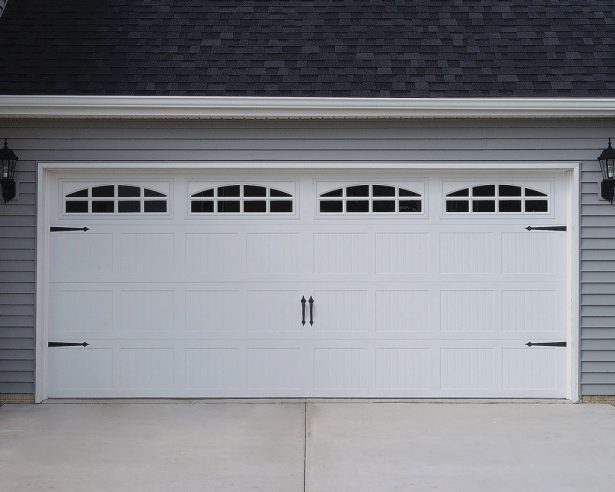
How to Choose Garage Door Hardware And Accessories
Garage door hardware affects far more than appearance. Hinges, rollers, tracks, handles, locks, remotes and weather seals determine how quietly the door moves, how well it handles local conditions and how safely the system operates each day. The right components should suit the door’s weight, construction and opening mechanism rather than being selected only for their finish.
Australian homes present a varied set of requirements. A coastal property in Sydney or Perth may need corrosion-resistant fittings, while a Brisbane garage must cope with humidity and intense summer heat. In Melbourne, Adelaide and Canberra, temperature changes can affect seals and metal components. A practical selection process starts with the door itself and then considers security, convenience, maintenance and visual character.
It is also important to distinguish between decorative accessories and load-bearing or electrical parts. A replacement handle may be a straightforward purchase, but springs, cables, brackets and automatic opener connections can store dangerous energy. When a component affects balance, lifting force or mains electricity, use a qualified garage door technician or licensed electrician in line with applicable state requirements.
Start With The Door’s Job
Begin by identifying the door type: sectional, roller, tilt, canopy or side-hinged. A sectional door uses multiple hinges and rollers to travel along horizontal and vertical tracks. A roller door relies on curtain slats and a barrel assembly, while a tilt door swings out and up as one panel. Each style requires compatible hardware, so a roller-door guide, hinge or locking bar cannot automatically be transferred to a sectional system.
Measure the door’s width, height, thickness and approximate weight. Also record the track radius, roller diameter, hinge position and shaft arrangement if the door is automated. These details are useful when comparing replacement parts and prevent the common mistake of ordering a generic item that looks similar but cannot carry the correct load.
Think about the door’s daily purpose. A garage used for two cars and frequent storage access needs durable rollers, a reliable opener and a strong internal lock. A detached garage used occasionally may need fewer electronic features but still benefits from proper weather sealing and a dependable manual release. If motor noise is a concern near bedrooms, examples of sound analysis can help explain why vibration, friction and resonance deserve attention.
Match Hardware To Australian Conditions
Material choice is central to long-term performance. Zinc-plated steel is economical for many sheltered installations, while galvanised steel offers better resistance to moisture. Stainless steel is a sensible upgrade near salt air, including homes around Newcastle, Wollongong, the Gold Coast and coastal Western Australia. Aluminium is lightweight and resists rust, although it may not be suitable for every heavily loaded bracket or hinge.
Look closely at rollers. Nylon rollers are usually quieter and can reduce vibration in a home with living areas beside the garage. Steel rollers can handle demanding conditions, but lower-quality versions may become noisy when their bearings wear or when the track is misaligned. Sealed-bearing rollers are generally preferable because they reduce the need for frequent lubrication and help exclude dust.
Weather accessories are especially valuable in Australia. A bottom seal limits dust, leaves, insects and rainwater entering beneath the door. Side and top seals close uneven gaps around the frame, while a threshold seal can help where the driveway slopes towards the garage. In bushfire-prone regions, check that proposed upgrades do not compromise the door’s tested fire-resistance or the requirements applying to the property under the National Construction Code and local planning rules.
Balance Security With Everyday Access
Security hardware should work with the opener rather than fight against it. A manual slide bolt can damage an automatic opener if someone engages it and then activates the motor. Many automatic doors use an internal locking system or a motor-driven locking bar, so confirm that any additional lock is approved for the opener model.
A rolling-code remote is generally preferable to an old fixed-code transmitter because the access code changes after each use. Keyless entry pads are practical for children, tradespeople and residents who walk home without a remote. Choose a weather-resistant keypad with a backlit display if it will be used after dark, and install it where visitors cannot easily observe the code.
Remotes should be stored thoughtfully. Avoid leaving one visible in a parked car on the driveway, particularly in busy areas of Sydney, Melbourne or Brisbane. Keep a spare remote in a secure location rather than hiding it near the garage door. When adding a wireless accessory, follow the opener manufacturer’s programming procedure and check that the device is compatible with the receiver frequency and model.
Visual simplicity is useful on control panels too. A comparison with fruit machine interfaces illustrates how crowded layouts can make controls harder to understand; a garage keypad should use clear buttons, readable numbering and minimal decoration.
Coordinate Style And Finish
Hardware should support the architectural style of the home. A contemporary Colorbond roller door may suit black, charcoal or stainless-steel handles, while a heritage-style sectional door can work better with an understated pull handle, strap hinges and warm metallic finishes. On a rendered home, accessories that repeat the colour of window frames or entry-door hardware create a more deliberate appearance.
Do not select decorative hinges or handles before confirming their clearance. A protruding handle may interfere with the door’s path, and oversized faux hinges can catch on tracks or weather seals. On sectional doors, the placement of a handle should allow comfortable operation without putting pressure on a panel joint.
Lighting is another useful accessory. Motion-activated LED lights improve visibility when reversing at night and can make a narrow garage feel safer. Choose fittings rated for the environment, especially in damp coastal locations. For broader visual references, design references can help when coordinating colours, lines and hardware finishes across the garage façade.
Set A Practical Installation And Care Routine
A good accessory package is one that can be inspected and maintained. Examine rollers, hinges, cables, brackets and seals twice a year, or more often if the garage is exposed to salt, dust or heavy use. Keep tracks clean, but do not apply grease to the running surface unless the manufacturer specifically recommends it. Lubricate approved pivot points with the correct product and wipe away excess.
Use these checks when assessing a proposed hardware upgrade:
- Confirm the part is rated for the door’s weight and movement pattern.
- Match roller diameter, hinge shape, track profile and fastener size.
- Check clearances around the opener arm, panels and ceiling.
- Inspect corrosion resistance for the home’s climate and location.
- Verify that the accessory does not defeat a safety or locking feature.
Maintenance should also include the opener’s safety reversal system. Place a suitable test object under the closing door and confirm that the door reverses according to the manufacturer’s instructions. Test photoelectric safety beams by interrupting the beam during a closing cycle. Do not bypass, relocate or cover these sensors to solve nuisance stopping; alignment and wiring should be diagnosed properly.
Keep these records and habits in place:
- Write down the opener model, remote type and installation date.
- Store spare remotes and keypad instructions in a secure place.
- Replace cracked, hardened or flattened weather seals.
- Remove surface rust early and investigate recurring corrosion.
- Arrange professional assessment for frayed cables, broken springs or a door that feels unusually heavy.
In Australia, electrical work on a permanently wired opener or light fitting should be handled by a licensed electrician, with state-based rules applying. Door springs and cables also require specialist tools and procedures. A homeowner can clean, observe and report symptoms, but attempting to unwind a torsion spring or replace a lifting cable without training creates a serious injury risk.
Compare Hardware Options And Total Cost
Price should be considered alongside service life, compatibility and installation. A low-cost roller may become noisy quickly, while a premium sealed-bearing model may provide smoother operation for longer. Similarly, a basic remote may be adequate for one resident, whereas a family may benefit from multiple remotes, a keypad and a battery backup.
Ask suppliers for the complete specification rather than relying on a product photograph. Confirm whether the price includes brackets, fasteners, seals, programming, removal of old parts and disposal. For strata properties or rental homes, check approval requirements before changing the appearance or security arrangements of a garage door.
| Hardware or accessory | Best use | Main benefit | Points to check |
|---|---|---|---|
| Nylon sealed-bearing rollers | Homes near bedrooms or living areas | Quiet, smooth travel | Correct diameter and track compatibility |
| Galvanised steel hinges | Standard sectional doors | Strength and reasonable corrosion resistance | Panel thickness and hinge position |
| Stainless-steel handles and bolts | Coastal or humid locations | Strong resistance to surface rust | Cost, finish and clearance |
| Bottom and side seals | Dusty, wet or exposed garages | Reduces draughts, pests and water entry | Door gap, floor level and compression |
| Rolling-code remote | Automatic doors | Better access security | Receiver compatibility and programming method |
| Wireless keypad | Families and regular visitors | Key-free entry | Weather rating, code privacy and battery access |
| Battery backup | Areas affected by outages | Access during power interruptions | Opener compatibility and battery servicing |
The most suitable combination is usually the one that fits the existing door without forcing unnecessary modifications. Start with safety and compatibility, then improve noise control, weather resistance, security and appearance in that order. This approach avoids paying for decorative additions while an ageing roller, damaged seal or poorly aligned track still limits performance.
Measure the opening, identify the door and opener models, and make a written list of the conditions around the garage. Take those details to a reputable Australian supplier or qualified technician, then select hardware that is rated for the actual load and climate. A careful upgrade can make the door quieter, safer and more reliable while giving the front of the home a clean, coordinated finish.