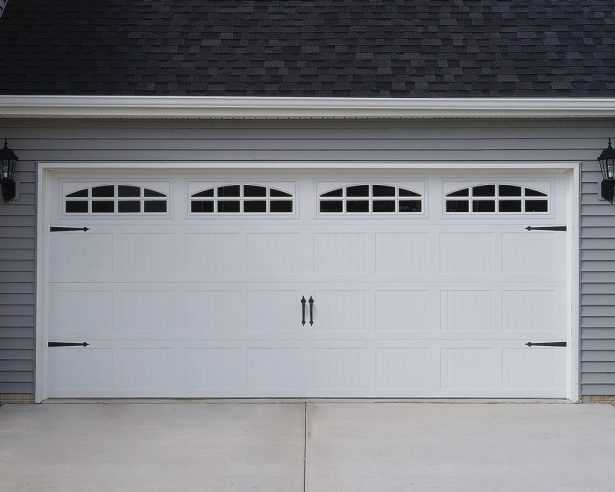
Choosing rustic garage door hardware for Australian homes
A rustic garage door should feel like part of the property, not a decorative theme placed over a suburban frontage. Choosing rustic garage door hardware starts with the building around it: the roofline, fence posts, driveway and landscaping, as well as whether the structure is a working shed, a heritage cottage garage or a polished family home. Get the proportions right before choosing a handle, and the finished details will look deliberate.
In Australia, that setting often involves a freestanding single garage with a Colorbond roof, brick or rendered walls, and native planting along the drive. Timber doors suit older weatherboard homes and rural blocks, while dark steel can suit a contemporary farmhouse. Aged timber, blackened steel and earthy metalwork create a clear direction for coordinating hinges, locks, handles and decorative plates.
Hardware must also suit the door’s weight, frame, opening method and local weather. Before browsing strap hinges or barn-door pulls, measure the opening, identify the door material and decide whether it will be operated manually or by an automatic opener. These early choices prevent attractive parts that foul the track, restrict a latch or place unnecessary stress on the door.
Establish a clear rustic direction
Start with the construction and proportions of the door, not with a particular handle. A wide timber door made from vertical boards calls for broad strap hinges and simple ring pulls; narrow horizontal boarding suits smaller barrel hinges and compact latches. Steel or insulated sectional doors need less ornament, with the strongest visual character coming from the panel profile, exposed fixings and a well-proportioned handle.
Look for relationships with the rest of the property. Weatherboard cottages, sandstone paths, brick fences and bushland landscaping all suggest a different rustic treatment. A timber door in a modern brick home can still feel rural if its hardware is restrained, its finish is earthy and its proportions echo the roof. The aim is texture and honesty, not an exaggerated shed motif.
Limit the palette to two or three finishes. Matte black iron beside warm timber creates strong contrast; aged bronze works with brick and sandstone; galvanised steel brings a practical silver edge. Check the same finish on the hinges, latch and handle, because small mismatches are easier to see on an isolated garage door than in a coordinated room.
Choose handles, hinges and locking hardware
Handles set the tone and provide a useful test of scale. A ring pull needs room for fingers and a clear swing; a long D-handle suits a broad timber door; a recessed or flush pull works better on a sectional door that travels beneath a low ceiling. For a sliding timber door, position the pull on the leading edge and check that it will not hit the wall, track or adjacent fence.
Hinges carry the real load, so select them for the door’s dimensions and weight rather than appearance alone. Strap hinges can be decorative and structural when made for the purpose, while slim decorative pairs suit lighter doors. Fix them with the specified bolts or screws into sound timber, not merely into the face of a board. The bolt heads and hinge leaves should share the same finish if they will remain visible.
Locking and latching hardware must match how the door closes. A manual timber door may need a gravity latch, sliding bolt, padlock hasp or night latch. A powered sectional door usually needs a flush lift handle and a separate weatherproof lock where extra security is required. Do not let a barrel or crossbar obstruct a moving panel. Keypad entry integrates with the opener system, so confirm compatibility without compromising the door’s manual release.
Match hardware to door construction
Use the material and build to determine the appropriate pieces. Keep decorative hardware proportional to the door, and make sure every moving part has enough clearance.
Hardware for timber and metal doors
- Treated pine or spotted gum: broad strap hinges and plate pulls complement the grain.
- Reclaimed hardwood: low-profile barrel hinges preserve the weathered surface and patina.
- Corrugated steel: cup handles and robust strap hinges echo shed hardware.
- Insulated panels: flush strap plates and recessed pulls preserve a clean panel face.
The finish and fasteners should form their own palette, since a warm timber door and a cool metal door require different visual cues.
Finish and fastener choices
- Galvanised steel: a practical silver finish that pairs well with natural timber.
- Black powder coat: strong contrast with pale wood and dark Colorbond roofs.
- Aged bronze: warm depth for brick, sandstone and heritage cottages.
- Marine-grade stainless steel: a sensible coastal option when its grade suits the exposure.
Check every fixing as well as the visible hardware. Match screw and bolt finishes to the hinges, seal holes in timber and avoid untreated steel that can leave rust streaks. A supplier should be able to specify corrosion-resistant fixings for the installation site, rather than leaving the hardware choice to the installer on the day.
Check dimensions, clearances and opener compatibility
Measure the finished opening in millimetres, then check the door slab or panel thickness, frame, hinge side and available headroom. Do not copy a common North American opening size: an Australian garage may require a custom timber section or a 2400 mm-high door that has little tolerance for error. Record the widest and highest points of the drive, the position of the opener and the path of any pedestrian gate.
The opening system dictates which hardware is practical. Traditional sectional doors need compatible rollers, hinges, cables and an unobstructed track. Roller doors use a different drum and guide arrangement, so carriage-style hinges and barn latches have no useful place on them. Swing and sliding timber doors need their own swing or slide clearance. Decorative pieces must never foul a track, catch a cable or interfere with the opener’s emergency release.
Balance matters as much as fit. A door that stays put at half height may have spring, cable or hardware problems, while a heavy door can strain an opener and its trolley. Spring components store substantial energy and should not be adjusted by someone unfamiliar with the system. This guide to testing and replacing springs explains common checks, but the hardware arrangements and safety practices may differ from those used in Australia; use a qualified local technician for diagnosis or spring work.
Maintain hardware in Australian conditions
Local weather should influence both the purchase and the care plan. Perth’s strong ultraviolet light can fade plastic finishes and weaken seals; Brisbane’s humidity encourages corrosion at poorly protected joints; salt-laden air around Sydney and Melbourne can pit decorative metal; and wet winters in Hobart and Launceston leave tracks and hinges working harder. Galvanised or properly coated hardware is useful inland, while coastal homes may justify suitable marine-grade stainless steel.
Inspect moving parts and fixings regularly. Look for loose bolts, hinge sag, frayed cables, bent brackets and early rust around pivots. Keep leaves and tracks free of grit, leaves and cobwebs, and lubricate only with a product approved for the component. A simple maintenance routine can make faults easier to spot and help preserve smooth operation between professional services.
For timber doors, seal cut ends and bolt holes, and renew an exterior-grade paint or penetrating oil finish according to the supplier’s guidance. Treated pine still needs sensible termite management, particularly around garden edges and known termite activity. In bushfire-prone districts, ask about the wind and fire requirements for the complete door, opener and hardware assembly; attractive hardware cannot make an unsuitable system compliant.
Measure the opening, photograph the existing frame and note the door material before choosing a finish. Take those details to a reputable Australian garage-door supplier and ask for a written quote identifying hinge type, handle dimensions, fixings, corrosion treatment and any parts needed for manual operation or an opener. Build the hardware as one coordinated set, have the installation checked against the manufacturer’s clearances, and keep the care instructions with the warranty paperwork; that simple step protects the rustic character you chose and helps the door remain secure, quiet and dependable through changing seasons.