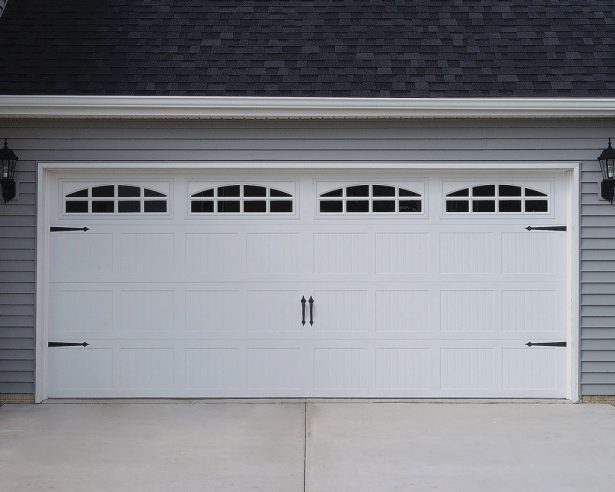
How to Choose Garage Door Windows and Designs
A garage door often occupies the largest visible section of a home’s façade, so its windows, colour and panel layout can influence the entire street appearance. The right combination should suit the architecture, provide the level of privacy you want and cope with the local climate. It also needs to work with your driveway space, vehicle height and daily routine.
Australian homes vary widely, from compact suburban properties in Melbourne and Sydney to coastal houses near Newcastle, Perth or the Gold Coast. A design that performs well in a shaded inland garage may fade, corrode or admit too much heat beside the ocean. Thinking about orientation, weather exposure and security before ordering can prevent expensive changes later.
Windows are only one part of the decision. The door material, opening mechanism, insulation, panel proportions, automation and maintenance requirements all affect the final result. By considering these elements together, you can choose a garage entry that looks intentional and remains practical through hot summers, wet winters and changing household needs.
Match The Door To Your Home’s Architecture
Begin by studying the lines and materials already used on the property. A contemporary home may suit a flush-panel garage door with narrow horizontal glazing, while a Federation, Queenslander or cottage-style house can work well with raised panels, decorative grilles or small square windows. For brick homes, window frames in black, white, grey or a colour drawn from the roof can create a coordinated appearance.
The proportions of the garage opening matter as much as the style. Long, low windows emphasise a wide double garage and can make the façade feel balanced. Vertical panes may suit a narrow opening or a tall home with strong upright features. Avoid selecting a decorative pattern in isolation; view a full-size sample or a digital mock-up so the relationship between the door, driveway and front windows is clear.
Colour should account for Australian sunlight. Dark finishes can absorb considerable heat, particularly on a north- or west-facing door in Brisbane, Adelaide or Perth. Quality powder coating and reputable exterior-grade finishes help, but a lighter Colourbond-inspired shade may be a sensible choice where the door receives intense afternoon sun. Check the manufacturer’s recommendations before choosing a very dark colour, as some products have limits for solar exposure.
Choose Window Types For Light And Privacy
Garage door windows can turn a gloomy space into a useful area for storage, a workshop or access to the garden. Clear glass provides the greatest daylight, but it also exposes vehicles, tools and household activity. In many Australian suburbs, frosted, opaque or obscure glazing is a better compromise. It allows light through while making it difficult for people outside to see what is inside.
Tinted and reflective glazing can reduce glare and solar gain, although the appearance may change from indoors to outdoors. Toughened safety glass is a valuable option where the garage is used frequently or where children play near the opening. Some manufacturers offer acrylic or polycarbonate panels, which can be lighter and more impact-resistant, but their long-term clarity and scratch resistance should be checked.
Window placement affects both appearance and security. Glazing along the top section of a sectional door is popular because it delivers daylight without creating an easy sightline into the garage. Slim horizontal panels provide a modern look, while evenly spaced square windows create a traditional carriage-house effect. Keep window design consistent with the front entry door so the façade does not appear visually fragmented.
Consider Materials, Insulation And Local Weather
Steel remains a common choice because it is durable, available in many finishes and relatively straightforward to maintain. Insulated steel panels can improve temperature control and reduce noise from the opener or street. Aluminium is lighter and may suit wider openings, but it can dent more easily depending on its construction. Timber offers warmth and character, though it needs regular coating and careful attention to moisture, movement and termite risk.
Coastal properties require extra care. Salt air around Wollongong, the Sunshine Coast, Fremantle or regional seaside towns can accelerate corrosion on hinges, fasteners, springs and tracks. Ask whether the hardware has an appropriate protective finish and rinse exposed components periodically with fresh water, following the supplier’s maintenance instructions. A powder-coated door still needs cleaning; surface dirt and salt deposits should not be left to build up.
Weather protection also includes wind and water management. Homes exposed to storms in northern Queensland or the Northern Territory may need a door rated for local wind conditions, with suitable bracing and anchoring. In bushfire-prone areas, discuss ember protection and construction requirements with a qualified installer and check the relevant state or council rules. Insulation, perimeter seals and a properly adjusted bottom seal can help limit draughts, dust and rainwater entering under the door.
When comparing imported components or specialist hardware, allow for delivery times, freight damage procedures and replacement-part availability in Australia. A useful background read on commercial shipping facilities can provide broader context when you are assessing how products move through supply chains, although your installer should remain the source for product-specific specifications.
Get The Size And Opening Method Right
Measure the opening width, height, headroom and side room before becoming attached to a particular design. A standard double garage is often around 4.8 to 5.5 metres wide, but Australian homes can have openings outside these common ranges. Measure the finished structural opening rather than relying on old plans, and check the internal ceiling height, rear clearance and position of lights, pipes or storage racks.
Sectional overhead doors are a practical choice where the driveway is short because the panels rise vertically and sit beneath the ceiling. Roller doors coil above the opening and can preserve more ceiling space, though the roll may reduce headroom near the lintel. Tilt doors swing outward and require clear space in front of the garage, making them less suitable for a steep or short driveway.
Automation should be selected alongside the door’s weight and operating cycle. A properly balanced door places less strain on the motor, springs and tracks. If the opener is noisy, the door reverses unexpectedly or the remote works inconsistently, stop forcing it and arrange an inspection. Homeowners who are reprogramming an existing remote or keypad can consult this code change guide, while installation, spring adjustment and cable repairs are best left to a trained technician.
Think about future access as well. A keyless entry pad can be convenient when children return from school or when you need to enter without carrying a remote. Choose a model compatible with the opener and change the access code if a keypad or remote is lost. Keep the manual release secure and ensure everyone in the household knows how to use it safely during a power failure.
Balance Appearance With Everyday Maintenance
A beautiful garage door should remain easy to clean and repair. Smooth panels generally collect less dust than heavily textured designs, while elaborate decorative hardware may require more frequent wiping. Inspect hinges, rollers, tracks, seals and fasteners several times a year. Remove leaves and grit from the tracks, but do not apply grease to tracks unless the manufacturer specifically recommends it.
Windows deserve a practical cleaning plan. Use mild soapy water and a soft cloth rather than abrasive pads that can scratch acrylic or coated surfaces. Check the glazing surrounds for cracks, gaps or moisture. Condensation inside a sealed unit may indicate a failed seal, while rattling panes can point to loose fittings or a damaged frame.
Maintenance is especially important in rental properties, busy family homes and areas with airborne dust. A door that is exposed to the street may need more frequent washing than one protected by a deep verandah. Keep the remote controls dry, replace weak batteries promptly and test the auto-reverse safety function according to the opener instructions. Never bypass safety sensors to make a troublesome door continue operating.
Practical Selection Priorities
- Choose glazing that provides useful daylight without revealing vehicles, tools or stored possessions.
- Select finishes and hardware suited to local exposure, especially near the coast or in high-wind areas.
- Confirm the opening measurements, ceiling clearance and driveway space before ordering the door.
- Match the window pattern and colour with the home’s roof, walls, front entry and other exterior details.
- Prefer insulated panels and reliable perimeter seals where the garage is used as a workshop or utility area.
- Compare warranty coverage, local servicing and replacement-part access rather than judging on appearance alone.
The best garage door design is the one that makes the frontage look considered while fitting the way your household actually uses the garage. Gather measurements, photograph the façade in daylight and compare several window layouts before requesting quotes. Ask installers about wind ratings, corrosion protection, glazing safety, automation compatibility and ongoing servicing.
Once you have narrowed the choices, obtain written quotes that identify the door model, window type, finish, hardware, motor, installation work and warranty. A careful comparison will help you avoid hidden costs and ensure the finished door suits Australian conditions. Take the next step by arranging a site measure with a reputable local garage door professional and reviewing a full-size design sample before committing.