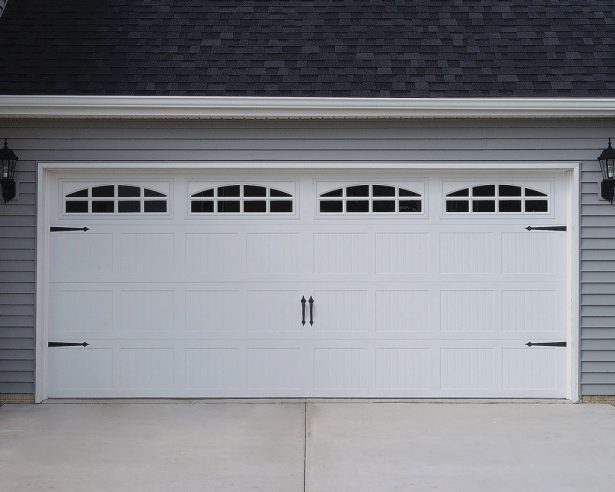
How to Choose the Best Garage Door Style for Your Home
A garage door occupies a large part of a home’s street-facing exterior, so its design can influence kerb appeal, resale appeal, security and everyday convenience. The right choice should complement the architecture rather than compete with it, while also coping with local weather, available space and the way your household uses the garage.
Australian homes offer plenty of visual variety, from Federation cottages and Queenslanders to contemporary townhouses, coastal properties and brick suburban houses. A successful garage door style balances those architectural cues with practical considerations such as insulation, wind exposure, maintenance, motor compatibility and the proportions of the garage opening.
Read the Architecture Before Choosing a Design
Begin by looking at the strongest visual features of your home. A traditional brick house may suit a panel-lift door with subtle horizontal sections, timber-look finishes or decorative windows. A modern rendered property can support a clean-lined sectional door in charcoal, white, black or a muted neutral shade. The garage door does not have to match the front door exactly, but the two should feel related.
Consider roof pitch, window frames, fencing, cladding and external lighting as part of the same composition. A sleek aluminium-look door may appear out of place beside ornate Federation detailing, while a heavily decorated carriage-house design can overwhelm a minimalist façade. Repeating one or two materials or colours across the front elevation usually creates a more unified result.
Scale matters just as much as style. Wide double garages create a broad visual block, and a door with too many small panels may make the frontage look busy. Larger, simpler panels often work well on contemporary homes, while narrower sections and window details can add character to period-inspired properties.
Drive through nearby suburbs for useful references rather than relying only on showroom displays. Styles popular in Melbourne may differ from those commonly seen in Brisbane or Perth because of local architecture, weather and building trends. Your street can provide a helpful guide to what looks established without forcing you to copy neighbouring homes.
Match the Door to Australian Conditions
Australia’s climate varies greatly, so the best garage door material depends partly on location. In coastal areas such as Newcastle, Wollongong, Adelaide or parts of Perth, salt-laden air can accelerate corrosion on unsuitable metal components. Look for corrosion-resistant hardware, durable protective coatings and manufacturers that clearly state how their finishes perform near the coast.
Queensland and northern New South Wales bring heat, humidity and intense sunlight. A west-facing garage can become extremely hot in the afternoon, particularly when the door is dark and poorly insulated. Light or mid-tone colours can reduce heat absorption, while insulated panels may make the garage more comfortable for storage, hobbies or rooms located above it.
Wind exposure is another important consideration. Homes in cyclone-prone areas of northern Queensland, the Northern Territory and northern Western Australia may require doors and fittings designed for higher wind ratings. Local building requirements, manufacturer specifications and installer advice should guide the selection. A decorative style is worthwhile only when the door is engineered for the conditions at the property.
Rain, dust and bushfire-related debris can also affect maintenance. Seals around the bottom and sides help limit water and dirt entering the garage, although they cannot compensate for poor drainage or an uneven slab. Choose finishes that can be cleaned easily and inspect moving parts more frequently if the property is near the coast, a construction zone or a dusty rural road.
Compare Materials and Surface Finishes
Steel is a popular choice because it provides strength, predictable sizing and many colour options. It can be formed into smooth, ribbed or woodgrain-look panels and is generally straightforward to maintain. Quality varies, so compare panel thickness, protective treatments, warranty terms and the quality of hinges, tracks and springs rather than judging the door by its colour alone.
Aluminium is light and resistant to rust, which can make it attractive for coastal homes. It is available in modern finishes and can support framed, slatted or semi-transparent designs. However, some aluminium systems may be more vulnerable to dents than robust steel, so the intended level of impact resistance should be considered if children, bicycles or sporting equipment are regularly moved through the garage.
Timber creates warmth and suits character homes, but it requires a clearer maintenance commitment. Exposure to Australian sun, rain and temperature changes can lead to fading, swelling or surface deterioration if the coating is neglected. Timber-look steel or composite panels can provide a similar appearance with less ongoing work, although the texture and depth may differ from genuine timber.
Glass-panel and aluminium-framed doors are increasingly used on modern homes, particularly where the garage is also a studio, gym or entertaining space. Obscure or tinted glazing can protect privacy while allowing daylight inside. Check thermal performance, impact resistance and replacement costs before choosing extensive glazing, especially for a west-facing opening or a home in a bushfire-prone region.
Colour deserves careful attention. Black and very dark finishes create a strong architectural statement, but they show dust and may absorb more heat. White and pale grey can make the frontage feel lighter, while mid-tone colours are often forgiving in busy suburban environments. Request physical samples and view them outdoors because showroom lighting can alter how a finish appears.
Choose Opening Style and Practical Features
Sectional or panel-lift doors are common because they rise vertically and sit beneath the ceiling when open. They suit many Australian garages and leave the driveway relatively clear. This arrangement is useful on narrow blocks, sloping driveways or properties where a swinging door would interfere with a footpath, parked car or garden bed.
Roller doors coil above the opening and can be a practical choice where ceiling space is limited. They are often selected for compact garages, carports and replacement projects. The curtain design has a different visual character from a sectional door, so compare the box, guides and profile with the rest of the façade before making a decision.
Tilt doors swing outward and then upward as one panel. They can offer a simple, classic appearance, but they need clear space in front of the garage while operating. This may be unsuitable for short driveways, homes close to the footpath or households that park immediately outside the door.
Side-hinged doors can add a cottage or barn-inspired appearance and may work well when the garage is used as a workshop or secondary entrance. They need adequate clearance and secure hardware, and they may not be the best fit where vehicles enter frequently. Automated locking and weather sealing should be assessed carefully.
Think about everyday features as part of the design, not as late additions. Quiet motors, battery backup, smartphone control, safety reversal systems and keyless entry can improve convenience. If you use a Chamberlain, Craftsman or Linear opener, check that the replacement door and control system are compatible before ordering. A beautiful door that operates noisily or lacks reliable safety features will quickly become frustrating.
Get Measurements and Proportions Right
Before comparing colours and decorative details, measure the opening accurately. Record the width and height of the door opening, the available headroom above it, side room beside the tracks and the depth of the garage. Note obstructions such as beams, lights, storage racks, pipes and unusually low ceilings.
Standard single and double garage dimensions are common, but Australian homes can have older, narrow or irregular openings. A door may be technically close to the correct size yet still require structural alterations, new tracks or different motor positioning. Professional measurement is worthwhile when replacing an existing door or changing from one operating style to another.
The relationship between the door and the rest of the façade should also be assessed from the street. A row of small windows may look attractive on a single garage but overly decorative across a wide double opening. Conversely, a completely blank surface can appear heavy on a tall garage front. Use a simple sketch, manufacturer visualiser or temporary colour sample to judge the proportions before committing.
Allow room for future needs. A family that currently stores only a car may later add shelving, a freezer, bicycles or a workbench. If the garage will become a home office or hobby area, insulation, ventilation and natural light deserve greater priority. Plan where the motor, lighting and storage will sit so that practical upgrades do not undermine the finished appearance.
Balance Cost, Security, and Long-Term Value
The purchase price is only one part of the cost. Include professional installation, removal of the old door, electrical work, opener upgrades, painting, structural adjustments and ongoing servicing. The cheapest option may become expensive if it needs frequent repairs or does not suit the existing opening.
Security should be built into the entire system. A strong door is helpful, but locks, tracks, remote controls, emergency release mechanisms and the garage’s internal connection to the house matter too. Keep remotes secure, change access codes when a controller is lost, and avoid leaving the garage remote visible in an unlocked vehicle.
Maintenance requirements should influence the final decision. Ask how often the rollers, hinges, springs, cables and seals need inspection, which parts are readily available in Australia and whether the warranty depends on approved servicing. If a door begins making unusual sounds, moves unevenly or reverses unexpectedly, stop using it until the cause is assessed. General garage door repairs resources can help explain common symptoms, but dangerous spring and cable work should be left to a qualified technician.
Use these practical recommendations when narrowing down the options:
- Match the door’s lines, colour and level of ornamentation to the home’s existing architecture.
- Select corrosion-resistant hardware and suitable coatings for coastal or humid locations.
- Check wind-rating requirements if the property is in a cyclone-prone or highly exposed area.
- Compare insulation, glazing and colour choices for garages affected by strong Australian sun.
- Measure the opening, ceiling clearance and driveway space before choosing an operating system.
- Include opener compatibility, security features, installation and future maintenance in the budget.
- Request written warranty details and confirm that replacement parts are available locally.
A well-chosen garage door should look natural from the street, operate smoothly every day and remain suitable as your household changes. Collect finish samples, compare local installers and evaluate the door as part of the whole façade rather than as an isolated product. Taking time with these decisions can give your home a more polished appearance, better security and fewer costly adjustments later. Start by measuring the opening and photographing the exterior, then use those details to shortlist styles that genuinely suit your Australian home.