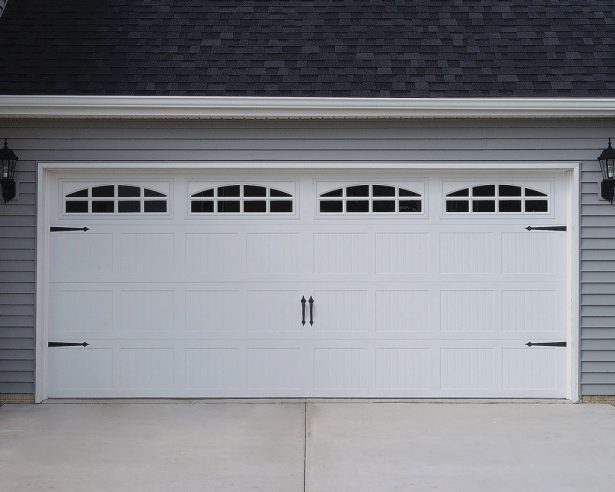
How to Clean and Maintain Your Garage Door
A clean, well-maintained garage door improves kerb appeal, protects the finish and helps the opening system work with less strain. Dust, salt, bird droppings, leaves and airborne grit can gradually affect panels, tracks, rollers, springs and the weather seal. Regular care is usually quicker and cheaper than waiting for a noisy or jammed door to fail.
Australian homes face varied conditions, from salty coastal air in Sydney, Brisbane and Perth to intense ultraviolet exposure inland. A door near the beach may develop surface corrosion faster than one in a dry suburb, while a dark-coloured panel can become extremely hot in summer. A simple cleaning routine, combined with sensible inspections, will help extend the service life of the whole garage door system.
Why Regular Cleaning Matters
Garage doors collect more than ordinary household dust. Road grime, pollen, cobwebs, insects and moisture can settle around hinges, roller tracks and the bottom seal. When this material builds up, rollers may become noisy and the door can place extra load on the opener. Dirt may also hide early signs of rust, cracked components or peeling paint.
Cleaning is especially important for homes close to the coast. Salt deposits can attack steel panels, fasteners and exposed springs, even when there is no obvious corrosion at first glance. Rinsing the exterior with fresh water after particularly windy or salty weather can reduce residue. Avoid aiming a pressure washer directly at seals, bearings, locks or electrical parts.
A clean door is easier to assess. You can see whether the panels remain aligned, whether the cables are sitting correctly and whether the weather strip still touches the floor. This makes routine maintenance a practical inspection as well as an appearance task.
Prepare Safely Before You Start
Choose a mild, dry day and keep children and pets away from the work area. If the door has an automatic opener, use the wall control to close it fully before washing. Disconnect the opener from power if you will be working near moving components, and never place your hands between panels or near hinges while the door is operating.
Do not release spring tension, remove cables or dismantle brackets as part of ordinary cleaning. Torsion and extension springs store considerable energy and can cause severe injury if handled incorrectly. Cleaning and visual checks are suitable for many homeowners, but spring adjustment and cable repairs belong to a qualified garage door technician.
Gather a soft brush, bucket, mild detergent, clean water, a hose with a gentle setting, microfibre cloths and a stable step ladder if necessary. Avoid abrasive pads, strong solvents and harsh bleach. These products can damage powder-coated finishes, strip protective coatings or cause rubber seals to deteriorate prematurely.
Wash Panels, Windows and Seals
Start by brushing loose dirt from the door, frame and surrounding wall. Work from the top down with a soft brush or cloth dipped in warm water and a small amount of mild car-wash or household detergent. Rinse each section before the solution dries, especially in hot weather. Drying soap onto the surface can leave streaks and a dull film.
For Colorbond and other pre-finished steel doors, avoid scouring powders and aggressive chemical cleaners. Aluminium doors, timber doors and composite panels each have different care requirements, so follow the manufacturer’s finish instructions. Timber may need periodic recoating or sealing, while steel generally benefits from prompt touch-up treatment when scratches expose bare metal.
Clean garage door windows gently on both sides and check the glazing for cracks or loose edges. Wipe the bottom weather seal with clean water and inspect it for splits, hardening or gaps. A damaged seal allows dust, rain, insects and cold air into the garage. If it no longer sits evenly on the floor, replacement may improve insulation and reduce pest entry.
Check Tracks, Rollers and Hardware
With the door closed, inspect the vertical tracks for dents, loose fixings or accumulated grit. The tracks guide the rollers and should remain straight and securely attached, but they should not be bent back into place by force. A damaged track can make the door bind, lift unevenly or come off its intended path.
Wipe visible dirt from the inside edges of the tracks using a dry cloth. Most garage door tracks do not need heavy lubrication; grease can collect dust and create a grinding paste. Rollers with sealed bearings may require no oil at all. If the manufacturer specifies a lubricant, apply a small amount to the recommended points rather than spraying the entire track.
Inspect hinges, bolts, brackets and roller stems for movement or rust. Tightening an accessible loose fastener may be reasonable if the door is stable, but stop if a bracket is under tension or a bolt appears to support a spring assembly. A garage door that shakes, scrapes or rises at an angle should be assessed before continued use.
Build a Routine for Australian Conditions
Seasonal care helps match maintenance to local weather. Before summer, check seals and the opener because heat can make some materials expand and can expose faded or brittle finishes. After storms, remove leaves and branches from the door’s path and inspect for dents caused by wind-blown debris. In bushfire-prone areas, keep combustible storage away from the door and maintain clear access around the garage.
Coastal households may need to rinse the exterior more often than homes in inland suburbs. In humid areas of Queensland and northern New South Wales, watch for mould and mildew around shaded frames. In dry regions, fine dust can settle in tracks and on sensor lenses. A gentle wipe of the safety sensors helps maintain a clear signal, but never change their alignment casually.
If you use the garage as a workshop, keep sawdust, metal filings and chemical overspray away from the opener and moving hardware. Check that stored items cannot interfere with the door’s travel. For households that track maintenance costs alongside other spending, keep repairs in a separate budget; information such as scatter symbols explained concerns online casino features, not a substitute for deciding whether a garage door needs safe professional attention.
Follow a Simple Maintenance Checklist
A written schedule makes small tasks easier to remember and helps identify changes in the way the door operates. Record unusual sounds, uneven movement, visible corrosion and the date of each inspection. This information can help a tradie diagnose a fault more quickly and may be useful if the door is still covered by a manufacturer’s warranty.
Use the following routine for general household upkeep:
- Wash the door exterior every few months, or more often near the coast or on dusty roads.
- Clear leaves, cobwebs and grit from the door path, frame and visible track areas.
- Inspect panels, windows, hinges, rollers, cables, brackets and the bottom seal for damage.
- Test the opener’s reversing function and photoelectric safety sensors according to the manual.
- Listen for scraping, popping, grinding or unusually loud operation during one complete cycle.
- Arrange a professional inspection if the door becomes heavy, crooked, unstable or difficult to open.
The reversing test should be performed carefully and according to the opener manufacturer’s instructions. Never defeat or bypass safety sensors to keep the door operating. If a remote, wall button or keyless entry pad behaves unpredictably, check the batteries and manual first rather than repeatedly forcing the door through a fault.
Know When Professional Repairs Are Needed
Some symptoms indicate more than ordinary dirt. A door that falls quickly, refuses to stay open, has a visibly slack cable or shows a separated spring needs prompt attention. Do not continue operating it to see whether the problem improves. Switch off the opener if it is safe to do so and keep people clear of the door.
Grinding can point to worn rollers or bearings, while repeated clicking may involve the opener, remote or safety sensors. If the motor runs but the door does not move, the drive mechanism may be disengaged or damaged. A technician can inspect the opener, balance, spring system and track alignment without exposing you to stored mechanical energy.
When choosing local help, look for an established Australian garage door business that provides a clear call-out price, written repair details and appropriate licensing or insurance for the work involved. Ask whether replacement parts are compatible with the existing door and opener. Good maintenance should restore safe, smooth operation rather than simply quieten a symptom for a short time.
Clean the door this week, inspect its seals and hardware, and note any change in balance or noise. Deal with minor surface issues early, and contact a qualified local technician before a serious fault turns into an emergency repair.