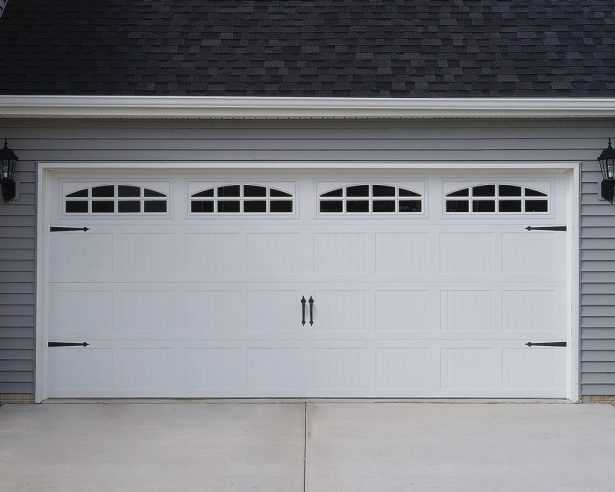
How to fix a garage door that shakes during operation
A garage door that shakes during operation usually has a mechanical cause: a binding roller, distorted track, loose bracket, damaged panel or unbalanced door. The symptom may appear as juddering, rattling, wobbling or vibration, and it can worsen when the opener starts, reverses or reaches the floor. Continued use can turn a minor fault into cable, panel or motor damage.
Australian conditions add familiar pressure points. Humid coastal suburbs in Sydney, Melbourne and Brisbane can corrode metal hardware, while inland heat expands rails and panels. Gum leaves, summer storms and uneven concrete slabs also trap debris near the threshold. Many local garages use roller or sectional doors with metric hardware, so replacement parts must match the door’s width, height and track configuration rather than an overseas imperial size.
Isolate the opener at the wall switch and unplug it before touching moving parts. Keep children and pets clear, never stand beneath a moving panel, and use purpose-rated door supports if work will continue underneath. Torsion springs, extension springs and lift cables store enough energy to cause serious injury, so spring or cable adjustment is professional work. Stop and call a technician if the door jams, a cable looks loose or a panel has buckled.
Diagnose what the shaking means
The shake’s location and timing narrow down the fault. Vibration felt through the wall or ceiling often comes from the opener bracket, motor rail or mounting bolts. A scrape that occurs at the same point in the travel usually indicates a bent track, worn roller or rubbing panel. A hollow rattle on every cycle may instead come from loose hinges, a rattling chain or an unbalanced curtain.
A door that reverses, stops short or bangs at the closed position may be reacting to excessive force, a blocked rail or a safety-beam obstruction. Record these observations before dismantling anything. This simple history helps a repairer distinguish normal motor sound from genuine vibration and prevents parts from being replaced unnecessarily.
Follow a safe fault-finding routine
Use the emergency-release cord only after the opener is switched off, then move the door manually with both hands. If the door will not move easily, do not force it. Mark the point where it binds and watch the rollers as they turn. On a sectional door, compare the gap between panels and tracks at the top, middle and floor; on a roller door, inspect each slat, guide and wheel for flat spots or wobble.
A spirit level or straightedge can reveal a sagging horizontal track, while a tape measure can show uneven panel gaps. Check that the vertical tracks are plumb and parallel and that their brackets sit squarely against the jamb. Loose lag screws in timber framing are common after years of vibration, but tighten only sound fasteners; stripped or elongated holes need proper repair. Keep every tool and offcut away from the door path.
Restore the release mechanism and reconnect power only after the manual movement is smooth. A mains-connected opener with exposed wiring, a scorching outlet or a wet power point needs an electrician, especially where Australian work health and safety principles require energy isolation. For a repair purchased and installed by an Australian business, the Australian Consumer Law may also apply, so retain the invoice, parts details and written quote.
Clean and inspect the moving parts
Vacuum both tracks and scrape away leaves without bending the metal. Wipe the rails with a damp cloth and a cleaner approved by the door manufacturer; oily residue can attract grit. Good garage-door lighting makes oil leaks, loose fasteners and damaged panel edges easier to see, but brighter light does not correct a mechanical fault. Keep the motor’s exposed mechanism and light lenses clear of dirt.
Apply a small amount of garage-door lubricant to roller bearings and hinge pivots, then run the door once and wipe off drips. Avoid thick grease, cooking oil and general-purpose penetrating sprays such as WD-40, which can gum up rollers or damage seals. A squeak that changes when the panel moves usually needs cleaning and lubrication; a squeak tied to one exact point can point to a dry or damaged hinge instead.
Fix alignment and hardware problems
For minor looseness, retighten the opener’s mounting bolts, hinge screws and track brackets using the correct tools. Check that the motor hangs squarely and that the rail, chain or belt is aligned with the trolley. If a roller stem is bent, its bearing is rough or the wheel no longer rolls in line, replace the roller as a matched component where the manufacturer specifies. Correct alignment, not extra force, keeps the motor from shaking.
Small track movement can sometimes be corrected by loosening the bracket, aligning the rail to the manufacturer’s measurements and re-tightening it. Do not hammer a bent rail or pack it with improvised timber. Any impact-damaged or visibly bowed track needs replacement because clamping it back into place can leave the roller running off its intended line. The same rule applies to a cracked or warped panel; structural panels are safer to replace than straightened.
Inspect the bottom seal and the floor beneath it. A seal rubbing on uneven concrete can jerk the panel sideways near the floor, while a slab step can make the opener push hard as it closes. Remove stones, paint flakes and leaves, and compare the seal with the threshold. Use only the specified clearance and seal type; raising the door to clear an obstruction without correcting the slab can damage the panels.
Check balance, opener and electrical faults
A door that feels heavy, stops short, drops quickly or needs force to start may have poor spring balance. The door weight should be carried by the springs and cables, not by the opener motor. Do not wind, unwound or replace a torsion spring yourself, and never substitute a different cable or spring. Technicians have the tools and safe method to set tension while keeping the panels supported.
A loose opener hanger or vibrating motor often masks a track that is moving slightly. Disconnect power, support the header bracket and check the fasteners, motor pulley and chain or belt tension. The opener should travel smoothly without the motor casing striking its mount. If you are adding access control, follow the opener’s compatibility list and the manufacturer’s pairing steps; this keyless-entry setup offers a practical sequence for many common openers.
Programming a keypad or remote should not require extra opener force. If the motor still runs roughly after travel and limits have been restored, have the force setting and safety sensors checked rather than increasing force to overcome a mechanical fault. Batteries, signal interference and an incorrectly programmed handset can cause clicking, yet they rarely create the judder felt through the whole panel. Diagnose the mechanical movement first.
Get the door running smoothly again
Simple cleaning, lubrication and fastener tightening are reasonable homeowner tasks when the door moves freely and no safety component is damaged. Alignment work becomes more complex when the track is bent, the rollers are out of square or the opener must be removed from the header. Professional repair is the sound choice for spring balance, torn lift cables, buckled panels, structural track damage or any electrical work.
| Observed symptom | Likely cause | Homeowner check | Professional action |
|---|---|---|---|
| Door binds at the same point | Warped panel, worn roller or tight hinge | Clean and inspect the travel path | Replace and realign the component |
| Track shifts or its bracket moves | Loose fasteners or softened timber | Tighten sound screws only | Repair framing and square the track |
| Heavy slam or short travel | Incorrect spring balance | Test manual travel without altering springs | Rebalance safely and inspect cables |
| Motor buzzes or its casing vibrates | Loose opener mount or worn drive | Isolate power and inspect by hand | Service the bracket, rail or opener |
| Door reverses or bangs when closed | Obstruction, sensor issue or travel setting | Clear the path and restore the release | Test sensors and calibrate limits |
Use the symptom guide above to gather observations before you call. Have the door’s make, model, opening size, opener type and photos of the binding point ready. These details let a local technician bring suitable rollers, brackets or a replacement opener and reduce repeat visits.
Stop the shaking before it becomes a safety issue. Start by isolating power and completing the manual checks, record where the judder occurs, and replace only the failed component. For torsion springs, lift cables, a badly warped panel or an opener that still vibrates after adjustment, book a qualified garage-door technician and keep the door out of service until it travels smoothly and closes fully.