How to Fix a Sagging Garage Door Safely
A sagging garage door is more than a cosmetic nuisance. It can place uneven pressure on tracks, rollers, hinges and the opener, making the door noisy, difficult to lift or unsafe to operate. The problem is common with older sectional doors, timber panels exposed to moisture and roller doors with worn components.
Before reaching for a spanner, identify the door style and the location of the gap or droop. A sectional door may sag at the centre when its hinges or support brackets are loose, while a tilt door can drop unevenly because of damaged springs or worn pivot hardware. Roller doors usually show trouble through a crooked curtain, rubbing guides or a bottom edge that does not meet the floor.
Australian conditions can accelerate wear. Coastal air around Sydney, Brisbane and Perth encourages corrosion, while intense sun can dry out timber and degrade seals. In Melbourne, seasonal changes can affect alignment as materials expand and contract. Many homes also have garages that double as workshops, storage areas or internal entry points, so a poorly balanced door quickly becomes an everyday inconvenience.
Assess The Door Safely
Disconnect the automatic opener before testing the door by hand. Pull the emergency release only when the door is fully closed if possible, because a partially open door may move suddenly once it is detached from the motor. Keep children, pets and vehicles clear, and avoid standing beneath a raised door that appears unstable.
Look at the door from outside and inside. Check whether the bottom edge touches the floor evenly, whether the panels line up, and whether the vertical tracks remain parallel. A sagging sectional door often has a visible bend between panels or a gap beneath one side. Listen for scraping, popping or grinding sounds when the door moves.
Test the balance gently by lifting the door a short distance after disconnecting the opener. A properly balanced door should feel manageable and remain near the position where you stop it. If it drops, rises sharply or feels extremely heavy, stop testing. The springs may be incorrectly adjusted, broken or under dangerous tension.
Find The Likely Cause
Loose hinges and worn rollers are among the simplest causes to address. Sectional doors rely on hinges to let each panel bend around the curved part of the track. If a hinge screw has backed out or a roller is sticking, one section can sit lower than the others. Tightening accessible fasteners and replacing visibly damaged rollers may restore alignment, but the door must be supported correctly while work is performed.
A warped or water-damaged panel can also create a permanent dip. Timber doors are especially vulnerable when bottom edges absorb moisture from a wet driveway or poorly drained threshold. A panel that has twisted may need repair or replacement rather than adjustment. Do not try to force it straight with excessive pressure, as this can transfer the load to the tracks and hinges.
Springs and cables require greater caution. Extension springs may be stretched, detached or uneven, while torsion springs above the door can lose tension or break. Frayed lift cables, loose drums and bent tracks are signs that a qualified garage door technician should take over. In Australia, use a licensed or reputable local provider familiar with the relevant state safety requirements, particularly for doors in strata properties or rental homes.
Match The Repair To The Door
The correct repair depends on whether the door is sectional, roller, tilt or a custom timber design. A sectional door with a small centre gap may need hinge and roller attention, while a roller door that sits crooked may need guide adjustment or curtain servicing. Replacing a spring with an incorrect size can make the door dangerously heavy or cause the opener to fail.
| Symptom | Possible cause | Safe homeowner check | When to call a technician |
|---|---|---|---|
| One side sits lower | Worn roller, loose hinge or uneven track | Inspect visible screws and track alignment | The track is bent or the door binds |
| Centre of a sectional door sags | Damaged panel, hinge or support bracket | Look for cracks, splits and loose hardware | The panel is warped or heavily damaged |
| Door feels very heavy | Broken or weak spring | Test only after safe opener release | Always, if spring tension is involved |
| Roller curtain rubs one guide | Debris, guide wear or misalignment | Clear loose dirt without forcing the curtain | Curtain is jammed, torn or out of the guides |
| Door reverses or stops | Obstruction, sensor issue or excess resistance | Clean photo-eye lenses and remove obstacles | The door still reverses after basic checks |
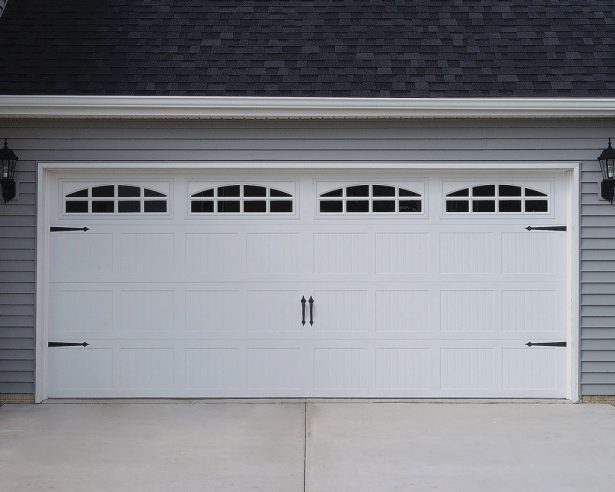
For appearance-led renovations, door design matters as much as mechanical performance. Homeowners comparing panel profiles, colours and window arrangements can browse garage door designs before replacing a damaged section. A new panel should match the existing weight and dimensions; an attractive but heavier replacement can upset the balance.
Do not lubricate every component indiscriminately. Use a garage-door-rated lubricant on rollers, hinges and springs where the manufacturer permits it, but keep lubricant off the track running surfaces and photo-eye lenses. Grease on tracks can collect grit and make movement less reliable, especially in dusty parts of inland Australia.
Repair Or Replace The Door
A minor alignment problem is often worth repairing when the panels are straight, the tracks are sound and replacement parts are readily available. Tightening loose hinge hardware, cleaning guides and replacing a single worn roller can extend the life of a well-maintained door. Use the original fastener type and avoid overtightening screws into thin sheet metal.
Replacement becomes more sensible when several parts have failed at once. A door with rusted tracks, cracked panels, noisy bearings and weakened springs may continue to demand repairs without operating smoothly. In coastal suburbs, corrosion can spread behind brackets and along the bottom rail before it becomes obvious from the driveway.
Measure before ordering anything. Record the overall opening width and height, panel dimensions, track shape, spring position and opener model. Chamberlain, Craftsman and Linear openers may require different travel settings and force limits after a door repair. Reprogramming the opener without correcting the mechanical imbalance can hide the fault and place additional strain on the motor.
Keep The Door Balanced
Routine maintenance helps prevent a recurring dip. Inspect the door every few months, and schedule an extra check before periods of heavy rain or extreme heat. Clear leaves, sand and cobwebs from the threshold and guides, particularly if the garage opens onto an exposed driveway. Check weather seals for compression, splitting or gaps that allow water to reach timber or stored items.
A sensible maintenance routine includes these checks:
- Watch the door during a full open-and-close cycle for jerking, rubbing or uneven movement.
- Inspect hinges, brackets, rollers, cables and visible spring hardware for wear or corrosion.
- Test the manual balance only when the door is closed first and the opener can be safely disconnected.
- Clean photo-eye sensors and confirm they face each other at the same height.
- Apply approved lubricant sparingly, following the door manufacturer’s instructions.
- Arrange professional service for broken springs, frayed cables, bent tracks or a door that falls rapidly.
Decorative choices can affect how a repair looks. Replacing one panel may create a colour mismatch, while adding windows or patterned inserts can alter weight distribution. Visual motifs should remain consistent with the rest of the façade; even a design reference discussing scatter symbols illustrates how repeated icons and spacing influence the way a pattern is perceived.
A door that remains uneven after basic cleaning and inspection should be taken out of service. Place a note on the opener, keep the opening closed and contact a qualified garage door professional in your area. Prompt attention can prevent a sagging section from damaging the motor, trapping a vehicle or becoming a serious safety hazard.