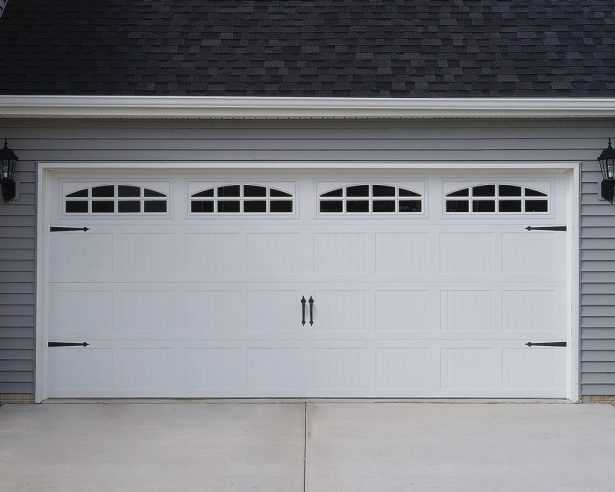
How to install a garage door opener from start to finish
Installing a garage door opener from start to finish is manageable when the motor, brackets and door are compatible, the opening is measured accurately, and each adjustment follows the manufacturer's instructions. The sequence below covers identification, preparation, mounting, wiring, programming and final safety testing for roller and sectional doors common in Australian homes.
Australian garages differ from North American layouts in useful ways. Many suburban homes have a roller door above a narrow driveway, while sectional doors require ceiling depth and headroom for the trolley. Metric measurements, 230-volt mains power, local electrical rules and weather-resistant fittings should shape every purchase and installation decision.
Match the opener to your Australian garage door
First identify how the door moves. A roller door uses a rotating drum to raise a curtain and usually needs a purpose-made tubular motor mounted above the opening. A sectional door travels along horizontal and vertical tracks and uses a trolley with a chain, belt or screw drive. Do not assume one opener fits both systems, even when the listed opening sizes look similar.
| Drive arrangement | Suitable door | Main advantages | Points to check |
|---|---|---|---|
| Chain drive | Sectional doors | Rugged and widely available | Noise, lubrication and correct tension |
| Belt drive | Sectional doors | Quiet, smooth operation | Belt wear, heat and compatible pulleys |
| Screw drive | Light-to-medium sectional doors | Compact drive with few loose parts | Operating speed and suitability for door weight |
| Tubular roller motor | Roller doors | Common Australian match for roller-door curtains | Correct drum, curtain and model-specific controls |
Measure the actual opening rather than relying on a typical size. Many Australian single garages are near 2,400 mm wide and 2,100 mm high, but site conditions vary. Record the ceiling height, available headroom, track depth, door weight and power outlet position before ordering hardware.
Match the opener to existing components, including the roller, drum, trolley and track type. An Adelaide or Melbourne garage may have little side clearance, while coastal Sydney properties expose external fittings to salt-laden air. Choose corrosion-resistant fixings and an opener rated for Australian heat, humid climates and winter conditions.
Choose the opener and use practical checklists
Select the drive by matching it to the door, then check the opener's rated opening size, maximum weight, noise level and remote system. If the door already has an opener, check whether its brackets, trolley and controls can be reused; mixed brands can complicate programming and safety sensing. Use these selection criteria:
- Confirm the door type, opening dimensions and available headroom
- Check the motor's door-weight rating and required mounting points
- Decide between chain, belt, screw or roller-motor operation
- Verify remote compatibility, battery backup and obstruction-sensing features
A sectional door needs enough horizontal and vertical travel, while a roller motor needs a sound header, correctly sized drum and rigid mounting surface. Look for a quiet, serviceable model with replacement parts available in Australia. Before gathering tools, use this preparation checklist:
- Mark the opening centre and mounting positions with pencil or laser
- Gather a level, drill, fasteners, spanner, tape measure and eye protection
- Isolate the old power supply before removing opener components
- Arrange safe door support and a qualified electrician for wiring changes
Choose a motor that suits the door rather than the largest model available. In a narrow Melbourne or Adelaide garage, excessive chain travel or low-hanging hardware can reduce usable headroom. Confirm that the remote and any keyless-entry accessories belong to a compatible system before drilling holes.
Prepare the opening and support the door safely
Before mounting anything, inspect the door, rollers, tracks and hinges for bends, corrosion or worn bearings. Replace damaged moving parts before installing the drive. If the door uses tension springs, leave spring adjustment to a qualified garage-door technician; stored spring energy can cause serious injury.
Clean the tracks and rollers and check that the moving parts are clear. Do not manually lift or move a spring-loaded sectional door. If replacing an old opener, disconnect its battery and mains supply, label the wiring and remove brackets only after the door is securely supported. Photograph the original layout so the new mounting points can be aligned.
Set up a stable ladder on level ground, wear eye protection and keep children and pets out of the work area. If you enjoy background sound while cleaning, a Maithili music collection can be queued as optional listening, provided you can still hear unusual motor noises. Coastal corrosion and summer heat also make clean, dry hardware important before installation.
Fit the brackets, trolley and drive
For a roller door, mount the tubular motor to a sound header or ceiling using the manufacturer's structural fasteners. Align the drum and output shaft with the curtain, connect the emergency-release cord and fit the curtain or bottom-bar bracket only as specified for that model. Never force the barrel or alter the door's spring tension to make the motor fit.
For a sectional door, secure the header bracket and trolley in the centre of the opening, leaving the manual travel clear. Attach the chain, belt or screw drive according to the supplied instructions, set its tension to the specified free span and check that the trolley can reach both stops. Use the supplied fastener grade rather than ordinary short screws in timber or masonry.
Isolate the mains circuit before wiring and follow the opener's wiring diagram exactly. Australian supply is 230 volts and 50 hertz, so an imported unit with a different voltage or frequency is unsuitable. Keep the supply connection inside an approved, RCD-protected outlet and have a licensed electrician alter fixed wiring. Check that the product meets applicable Australian safety requirements, including AS/NZS 60335.2.12 for garage-door operators.
Connect, program and test the controls
Restore power only after the drive, limit stops and emergency release are ready. Set the open and close limits using the manual's procedure, then run the opener at low speed while watching the travel. If the motor struggles, stops before the correct point or reverses without an obstruction, stop and correct the cause rather than increasing force.
Programming differs by model, so follow the supplied sequence. Where a learn function is provided, keep the door stationary, press the opener's learn control, press and release the new remote's strongest button, wait for confirmation and then exit programming. Repeat for each remote or keypad and erase unwanted controls using the manual's delete command. Chamberlain, Craftsman and Linear products often include a learn or programming mode, while Australian Merlin and B&D units use their own sequences. Save the supplied manual with your notes and use the project planning reference as a secondary source when comparing instructions.
Test the obstruction-sensing system as described by the manufacturer, using the specified test object rather than a person or an animal. Confirm that the photo-eye safety beams align, the down-force limit behaves correctly and the emergency release works with power off. Check the motor light, courtesy light and battery backup, then investigate a reverse-on-close fault by inspecting sensors, alignment and wiring before changing sensitivity.
Finish the job and keep the opener safe
Run several complete cycles with the remotes and wall control, checking for rubbing, vibration, uneven movement and unexpected stops. Tighten any fasteners that shifted during initial travel, but do not overtighten the trolley or drive. Record the final limit, force and programming settings, and keep the serial number, manual and installer details for future service.
Give the opener a basic service schedule: clean visible rollers and tracks, remove salt and dust, inspect the chain or belt and replace weak remote batteries. Arrange professional attention for spring work, damaged cables, repeated reversal or a motor that runs warm. Local garage-door technicians in Sydney, Brisbane, Melbourne and regional areas can also handle commissioning when specialist tools or a second pair of hands are needed.
Measure your opening, choose a compatible opener, gather the listed tools and complete each safety check before the first full cycle.