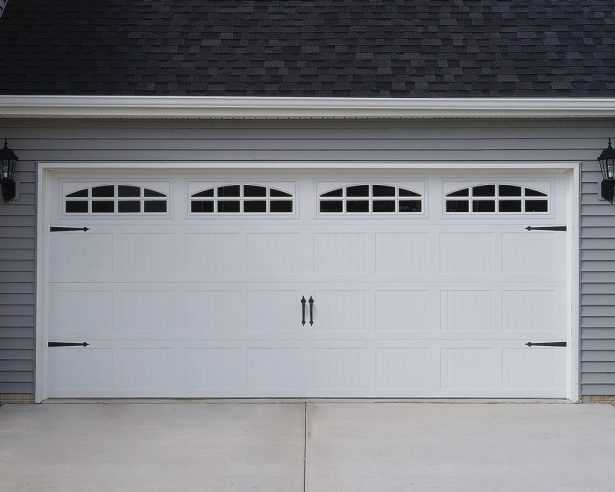
How to remove and replace garage door hinges safely
Garage door hinges connect the horizontal sections of a sectional door and allow each panel to bend as it travels around the tracks. When a hinge becomes cracked, loose, bent or noisy, the door may rub, bind, sit unevenly or place extra strain on its rollers and opener. Replacing the damaged hardware early can prevent a small fault from becoming a costly door repair.
This job is suitable for some confident homeowners, but it requires careful preparation. A sectional door can be heavy, and its lifting cables, drums and springs store significant energy. The instructions below focus on panel hinges, not spring adjustment or cable work. Australian homes may have steel, timber-look or Colorbond-finished sectional doors, and the correct hinge must match the manufacturer’s design.
Understand the hinge system
Most sectional garage doors use hinges along the meeting edges of the panels. End hinges hold rollers near the vertical tracks, while centre hinges join sections without carrying a roller. Some doors use numbered hinges, with heavier-duty versions fitted towards the outer edges. The number may indicate the hinge’s offset or roller position rather than its strength alone.
Before removing anything, inspect the entire door. Look for elongated screw holes, cracked plastic, distorted metal, missing fasteners and rollers that no longer sit centrally in the track. A squeak may come from a dry roller or track rather than the hinge itself. In coastal parts of Queensland, New South Wales and Western Australia, salt air can accelerate corrosion, while Melbourne’s damp winters may expose rust around untreated fixings.
A hinge replacement will not correct a sagging panel, a split stile or a track that has moved out of alignment. If the door is a tilt door, roller door or custom timber door rather than a sectional door, its hinge arrangement may be completely different. Identify the door type before buying parts.
Check the door and choose the correct parts
Start by recording the manufacturer, model and approximate installation date. Photograph each hinge from the front and inside, including any stamped numbers. Measure the screw spacing and compare the roller stem diameter, hinge offset and overall shape. A part that looks similar may place the roller too far in or out, causing the door to scrape the track.
Australian suppliers commonly stock replacement hardware for sectional doors from brands such as B&D, Gliderol and Steel-Line, although compatibility varies between ranges. A local garage door dealer or experienced tradie can usually identify a hinge from photographs and measurements. In Australia, metric fasteners are common, but imported doors may use hardware with different thread sizes, so avoid forcing a replacement screw into an existing hole.
Use fasteners recommended by the door manufacturer. Self-drilling screws, coach screws and machine bolts are not interchangeable in every panel. The skin of a steel door can be damaged by an overlong screw, while a short screw may pull out under repeated movement. If a hinge is attached to a reinforced internal stile, the replacement should be secured to the same support.
Prepare the tools and make the door safe
Disconnect the opener from mains power and disengage the trolley only if the manufacturer’s instructions require it. Close the door fully and clamp the vertical tracks with suitable locking pliers or purpose-made track clamps. This prevents the door from lifting while a hinge or roller is disconnected. Never work beneath a raised door supported only by the opener.
Gather the following items before starting:
- Replacement hinges that match the original positions
- A socket set, screwdrivers and metric spanners
- A cordless drill with the correct driver bit
- Track clamps or locking pliers and protective gloves
- A step ladder, torch and small container for fasteners
Keep children, pets and vehicles away from the work area. Wear safety glasses when removing rusted screws, and use a stable ladder rather than standing on a bumper, chair or loose box. Do not loosen torsion spring brackets, cable drums, bottom brackets or lift cables as part of a hinge repair. Those components can cause serious injury if released.
If the door cannot remain firmly closed, stop before removing a hinge. A sectional door that is out of balance may rise or fall unexpectedly, even when the automatic opener is unplugged. A professional can secure the door and determine whether the hinge is actually the cause of the movement.
Remove the damaged hinge carefully
Take a clear photograph of the hinge before undoing its fasteners. Mark the panel position if several hinges are being replaced, since the top, middle and bottom locations may use different parts. Replace one hinge at a time where possible so the neighbouring hardware continues to support the sections.
Support the affected panel edge by hand only while removing screws, and keep fingers away from the joint between sections. Remove the fasteners gradually rather than using excessive force. If a screw spins without tightening or the surrounding metal pulls away, the panel reinforcement may already be damaged. Do not enlarge the hole simply to fit a larger screw without checking the manufacturer’s approved repair method.
Once the old hinge is loose, slide the roller out of the track only as far as necessary. Do not bend the track to free it. Wipe away dirt and inspect the roller stem, bearing and track lip. A roller with flat spots, grinding noise or side-to-side play should be replaced at the same time, because a new hinge will not cure a failing roller.
Before fitting the new piece, compare it directly with the removed hinge. The roller pocket, screw holes and offset should face the same way. Hinges fitted upside down or on the wrong side can make the door sections twist and may cause the roller to derail.
Install and test the replacement
Position the replacement hinge in its original location and insert all fasteners loosely. Align the hinge with the panel seam and tighten the screws evenly. They should be firm without crushing the door skin. If the original holes are stripped, stop and follow the manufacturer’s repair instructions or have a technician reinforce the fixing point.
Replace additional damaged hinges one at a time. On a wide door, centre hinges may be under more stress than they appear to be, particularly when the door has a heavy decorative finish or an insulated construction. Do not mix random hinge styles across the same panel line unless the door maker specifies that combination.
| Check | What to look for | Correct response |
|---|---|---|
| Hinge position | Seam remains straight and panels sit flush | Reposition before tightening |
| Roller alignment | Roller sits centrally in the track | Use the correct offset hinge |
| Fasteners | Screws hold firmly without crushing metal | Replace damaged fixings or seek advice |
| Manual movement | Door travels smoothly by hand | Stop if it binds, drops or lifts |
| Opener operation | Safety reverse and travel remain normal | Reprogram or arrange a service if needed |
After removing the clamps, keep the opener disconnected and lift the door manually a small distance. It should move smoothly without scraping, binding or falling. Test it through several partial movements before reconnecting power. Then run a full open-and-close cycle while standing clear of the door. Check that the rollers remain in the tracks and that no hinge flexes unusually.
Automatic doors should reverse when they meet appropriate resistance, but never rely on this function to protect people or property. Test the photoelectric safety beams and the door’s reversing behaviour according to the opener manual. If the door becomes noisy after the repair, investigate alignment rather than spraying lubricant onto every component. Lubricant belongs on approved moving points, not on the track running surface.
Know when professional help is needed
Some hinge repairs are straightforward, but several warning signs indicate that the problem extends beyond a replaceable hinge. Stop work when you see any of the following:
- A broken or loose lift cable, cable drum or bottom bracket
- A visibly stretched, cracked or displaced torsion spring
- A door that drops, rises by itself or feels exceptionally heavy
- A bent track, split panel or torn-out hinge reinforcement
- A roller that has come completely out of the track
Spring and cable repairs should be handled by a qualified garage door technician. In suburbs around Sydney, Brisbane, Perth and Adelaide, many specialists offer same-day call-outs, but availability and travel charges vary. Ask whether the quoted service includes parts, alignment, safety testing and removal of damaged hardware.
Professional assistance is also sensible when the door is unusually wide, made from heavy timber, or fitted with a concealed spring system. Homeowners researching local repair procedures can review this garage door repair resource for additional background, then provide the technician with photographs, the door brand and a description of the symptoms.
A correctly fitted hinge should leave the sectional door aligned, quiet and easy to move manually. If your replacement does not produce that result, leave the door closed, isolate the opener and arrange an inspection rather than continuing to adjust parts under tension. Book a qualified Australian garage door technician for safe hinge replacement and a complete balance and safety check.