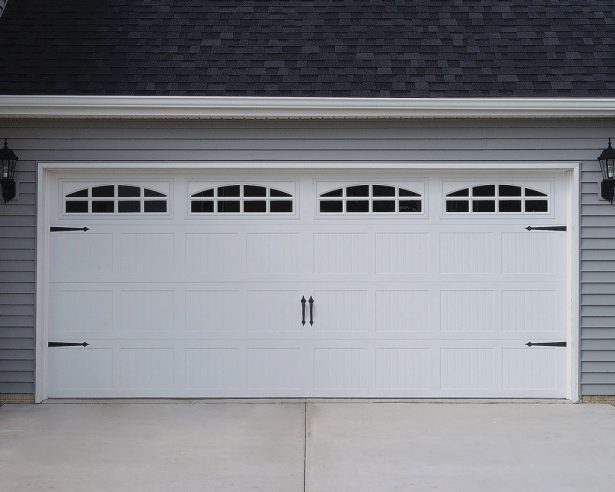
How to Secure Your Garage Door from Break-Ins
A garage door is often the widest and least visible entry point on an Australian home. It may protect a car, tools, bikes, camping gear and a direct route into the house, so a weak remote, damaged panel or forgotten side door can create an easy opportunity for an intruder. Good security starts with understanding how the door, opener, locks and surrounding property work together.
The right approach depends on whether you have a roller door, sectional door, tilt door or a custom installation. Homes in Sydney, Melbourne, Brisbane and regional areas also face different weather conditions and property layouts. A practical security plan should protect against forced entry while keeping the door safe and convenient for everyday use.
Check The Door And Its Surroundings
Begin with a daytime inspection of the entire garage entrance. Look for gaps at the bottom and sides, loose tracks, bent hinges, cracked panels, exposed screws and signs that the door has been levered. Test whether the closed door can be lifted by hand from outside. It should remain firmly in place when the opener is disengaged and the manual lock is set.
A damaged panel can affect alignment and leave the door easier to manipulate. If a trolley, track or roller is under strain, forcing the door may cause further damage or defeat its safety systems. Before replacing the whole installation, review practical options for a dented door panel, particularly when the damage is limited to one section.
Check the area around the garage as carefully as the door itself. A tall fence, stacked bins, dense shrubs or a dark driveway can give someone privacy while they work. Trim plants near the entrance, use motion-activated lighting and make sure a camera can see the driveway without being blocked by a parked ute or delivery van.
Australian coastal homes may need extra attention to corrosion from salt air, while properties around Brisbane and the Gold Coast should check for moisture, rust and storm-related misalignment. In bushfire-prone areas, keep dry vegetation and stored materials away from the garage door and side access points.
Strengthen The Main Entry Points
The opener is a major part of garage security. Older units may use fixed codes that can be captured or guessed, while newer systems commonly use rolling-code technology. Check the model and manual for features such as vacation lock, remote deactivation, temporary access codes and smartphone alerts. A Chamberlain, Craftsman or Linear opener should be programmed according to its specific instructions rather than by trial and error.
Keep the opener remote out of unattended vehicles. A remote left in a car parked on the driveway or street can give a thief access without touching the door. If a remote is lost, erase it from the opener’s memory and pair a replacement. Change the wireless keypad code if it has been shared widely or if you suspect someone has observed it.
A strong internal garage-to-house door provides a second barrier. Fit a quality deadlock or other suitable lock, close it consistently and never leave keys in an obvious location inside the garage. If the door leads into a hallway, consider a door contact linked to an alarm system. A break-in at the outer garage door should not automatically become access to the living areas.
Useful physical improvements include:
- A sturdy side lock or internal slide bolt that suits the opener system
- Reinforced brackets and hinges fixed securely to sound framing
- A shield for the emergency release mechanism where appropriate
- A weather-resistant keypad positioned away from public view
- Bright lighting covering the driveway, side gate and pedestrian door
- A security camera or video doorbell aimed at approach routes
Do not add a manual bolt that can be engaged while the automatic opener is operating unless the system is designed for it. A locked door can damage the motor, bend tracks or create a hazardous failure. Ask a qualified garage door technician to confirm that any extra lock works with the opener and the door’s safety reversal function.
Control Remotes Codes And Everyday Access
Treat access codes like house keys. Avoid simple combinations based on a street number, birthday or vehicle registration. Do not write the code on the keypad or share one permanent code with every contractor, house sitter and family member. Many modern keypads allow temporary codes, which can be removed after a cleaner, removalist or tradesperson has finished.
A common Australian habit is to leave a remote in the car while running into a shop or visiting a neighbour. That convenience can become a problem when the vehicle is parked in a public place, at a railway station or outside a sports ground. Use a key-ring remote, keep the vehicle locked and remove built-in remotes when selling the car.
Before a holiday or long weekend away, review every device authorised to open the door. This includes spare remotes, wireless keypads, app accounts and older units stored in a drawer. Activate vacation or lock mode if available, but test it first so that household members know how normal access will change.
A simple access routine reduces mistakes:
- Close the door fully before walking or driving away
- Wait for the opener light or app status to confirm closure
- Keep remotes away from windows and letterboxes
- Delete old users and temporary keypad codes promptly
- Turn off lost remotes instead of assuming they will not be found
- Check the garage after guests, tenants or contractors leave
If your opener connects to Wi-Fi, use a strong, unique account password and enable multi-factor authentication when offered. Keep the opener firmware and the phone app current. Avoid sharing login details through group chats, and review notifications for unexpected opening events.
Improve Visibility And Property Security
A secure garage works best as part of a broader home security system. Motion lighting can expose a person approaching the door, while a visible camera may deter casual trespassing. Position lights so they illuminate faces and lock areas rather than shining directly into the camera lens. Test them at night after installing them, as shadows from eaves can leave important areas hidden.
A driveway gate, side gate and pedestrian garage door deserve the same attention as the main opening. Lock side gates, repair sagging sections and avoid leaving ladders, bins or garden tools beside the wall. These items can help someone climb, pry or reach an emergency release. Keep valuable equipment out of sight through the garage windows, and use curtains or frosted film if those windows reveal stored property.
Design choices can support security without making the façade look industrial. A solid sectional door, discreet glazing and concealed storage can reduce visibility into the garage. If you are planning a replacement, compare garage door designs for panel layouts, window placement and materials that suit both the home and its security needs.
In suburbs with open driveways, such as many parts of Perth and Adelaide, a clear sightline from the street can be helpful. In older inner-city homes, a narrow laneway or shared access may require lighting, camera placement and written agreement with neighbours or a body corporate. Renters should check with the property owner before installing permanent hardware.
Maintain Safety Systems And React Quickly
Security hardware is only reliable when the door is maintained. Inspect cables, springs, rollers and tracks for wear, but do not attempt to adjust high-tension springs or lift cables unless you are trained. Lubricate the components specified by the manufacturer, tighten accessible fasteners and remove dirt from photo-eye sensors.
Test the automatic reversal feature every few months using the method in the opener manual. The door should respond correctly when the sensor beam is interrupted, and it should reverse when tested with a suitable object as directed. Never place a child, pet or person under a moving door. If the door hesitates, slams, reverses unexpectedly or makes grinding sounds, stop using it until it has been assessed.
Watch for warning signs that deserve prompt attention:
- The door lifts several centimetres without resistance
- The opener runs but the door stays closed
- The door sits unevenly or leaves a growing side gap
- A remote works only from very close range
- The keypad accepts an unknown or inconsistent code
- New scratches, pry marks or disturbed landscaping appear nearby
If you find evidence of an attempted break-in, do not enter the garage alone or touch damaged locks and panels unnecessarily. Move to a safe location, contact police through the appropriate local channel and notify your insurer. Save camera footage, note the time and photograph damage once authorities say it is safe. A licensed garage door professional can then secure the opening, inspect hidden damage and restore safe operation.
A repair may involve replacing a remote, resetting the opener, realigning sensors or fitting stronger hardware. In other cases, an aged door and opener should be replaced as a matched system. Select products through a reputable Australian supplier or qualified installer, and ask who will service the equipment after installation.
Make garage security part of the weekly household routine: close the door, lock the internal entry, remove valuables from vehicles and check that access alerts are working. These small actions, combined with sound hardware and regular maintenance, make forced entry harder while preserving the everyday convenience of automatic access.
Arrange a professional inspection if your door can be lifted from outside, the opener uses outdated coding, or any lock and safety feature is unreliable. Secure every remote and keypad, repair visible damage promptly and upgrade the garage as carefully as you would any other entrance to your home.