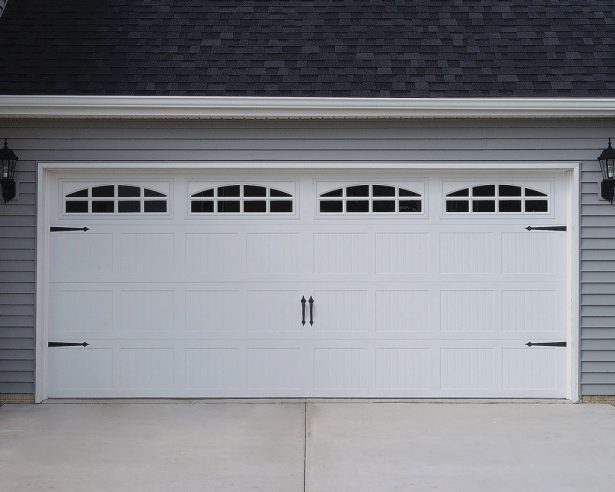
The Benefits of Carriage-Style Garage Doors
Carriage-style garage doors bring the charm of traditional barn doors to a modern home. Their decorative hinges, raised panels and strong horizontal lines can make an ordinary front façade feel more considered, whether the property is a weatherboard cottage, a new townhouse or a broad suburban home.
The classic appearance is now paired with practical overhead operation. Most contemporary designs open vertically, so you can enjoy the look of hinged carriage doors without needing clear space in the driveway. This makes them suitable for many Australian homes, where narrow blocks, short driveways and busy streets can limit how far a door can swing outward.
Homeowners can choose from steel, timber, composite and insulated panel construction, with options ranging from understated shaker detailing to elaborate window layouts. Finishes can also be selected to complement brickwork, render, timber cladding or popular Colorbond roofing and fencing.
A well-chosen garage door can improve street appeal, security and everyday convenience at the same time. The key is to match the style with the home’s architecture, the local climate and the way the garage is used throughout the year.
Strong Street Appeal With Architectural Character
The biggest advantage of this door style is its visual impact. Carriage-inspired panels create depth and shadow across a broad garage opening, adding detail where a flat, plain door might look too stark. Decorative strap hinges, handles and window inserts reinforce the traditional appearance without requiring an old-fashioned operating system.
This character works particularly well on Federation, Hamptons, farmhouse and coastal-style homes. It can also soften the sharp lines of a contemporary property when the colour and hardware are kept simple. In Melbourne suburbs with period façades, a carefully matched design can respect the original architecture, while in newer estates around Brisbane or Perth it can give a standard project home a more distinctive frontage.
Colour has a major effect on the final result. White, cream and soft grey create a light, classic look, while charcoal, deep green and muted blue offer a stronger contrast. Timber-look finishes are useful when real timber maintenance would be inconvenient, especially in exposed coastal areas.
Flexible Materials, Colours And Window Options
Modern carriage-look doors are available in materials that suit different budgets and maintenance preferences. Steel is a popular choice because it is durable, relatively low-maintenance and available in many factory-applied finishes. Composite panels can provide timber-like texture with less risk of swelling, splitting or frequent repainting.
Real timber remains appealing for homeowners who want natural grain and a genuinely handcrafted appearance. It requires more attention, particularly in areas exposed to strong sun, heavy rain or salty air. Properties near Newcastle, the Gold Coast or Adelaide’s coast may need a finish designed for local conditions, along with regular checks around joints, edges and hardware.
Windows can make a door feel lighter and allow daylight into a garage used as a workshop, storage area or entrance to the home. Frosted, tinted or obscure glazing helps preserve privacy, while small upper windows provide traditional character without creating a clear view inside. In bushfire-prone regions, owners should check whether the chosen glazing, seals and complete door assembly meet relevant BAL requirements.
Useful design decisions include:
- Choosing raised or recessed panels to match the home’s façade
- Selecting powder-coated steel for a durable, low-maintenance finish
- Using composite or timber-look materials where natural timber upkeep is unsuitable
- Adding obscure glass when privacy matters
- Coordinating door colour with gutters, fencing and exterior trim
Everyday Convenience Without Swinging Panels
Traditional carriage doors hinged at the sides need a large clear zone in front of the garage. Contemporary versions usually use a sectional or tilt mechanism, allowing the panels to travel overhead. This preserves the old-world appearance while making the entrance easier to use on a compact suburban block.
The difference is especially valuable when a driveway slopes towards the garage or when a vehicle needs to park close to the opening. An overhead system also suits homes with a footpath, laneway or narrow crossover where an outward-opening panel could obstruct pedestrians or vehicles. In Sydney and Melbourne, where garages may sit close to the boundary, saving those few metres can make a noticeable difference.
Automatic operation adds another layer of convenience. A compatible opener lets residents enter during rain, carry shopping directly indoors and avoid getting out of the car late at night. The system should be correctly balanced before an opener is installed, because excessive weight or friction can shorten the life of the motor and place additional strain on springs and rollers.
Regular maintenance helps preserve that convenience. Lubricating suitable moving parts, checking the photo-eye sensors and clearing debris from the tracks can prevent minor faults. If the door becomes noisy, jerky or unusually slow, arranging an inspection is safer than adjusting springs or cables without the right equipment.
Security And Energy Performance
A solid carriage-style façade can make the garage less visually transparent than a fully glazed or lightweight door. When paired with a reliable automatic opener, rolling-code technology and a properly fitted lock, it can contribute to a secure home entry point. Security still depends on the whole system, including the internal access door, windows and habits such as keeping remotes out of unattended vehicles.
Homeowners who use Chamberlain, Craftsman or Linear equipment should keep opener controls and keyless-entry codes current. Instructions for a garage code change can help owners understand the general process before checking the exact model manual. The procedure varies between units, so buttons, learn modes and remote controls should be identified carefully.
Insulation is another useful benefit, particularly when the garage shares a wall or ceiling with living areas. An insulated steel or composite door can reduce heat transfer and help moderate temperatures in the garage. That may matter in Western Australia’s hot summers, in Canberra’s colder winters or anywhere the garage is used as a laundry, office, gym or hobby room.
Energy performance should be considered alongside ventilation. A well-sealed door can reduce draughts, dust and some outside noise, but a garage still needs suitable airflow where vehicles, paints, gas equipment or other stored materials are present. Weather seals should be replaced when they become brittle, flattened or visibly damaged.
Long-Term Value And Installation Considerations
A distinctive garage door can improve the perceived quality of a home from the street, which may support resale appeal when the design suits the property. Buyers often notice the garage first because it occupies a large portion of the façade. A well-proportioned door, neat hardware and an even finish can make the entire exterior look better maintained.
The initial price depends on size, material, insulation, glazing, automation and installation conditions. Custom widths, premium timber, decorative hardware and specialist finishes add to the budget. It is worth comparing complete installed quotes rather than looking only at the panel price, since tracks, springs, opener compatibility, disposal and site access may be charged separately.
Local requirements can affect the project. A replacement door is often straightforward, but structural alterations, changes to the opening or work in a heritage area may require advice from the local council. Homes in cyclone-affected parts of Queensland and northern Australia may also need products and installation methods suited to regional wind conditions.
Before ordering, measure the opening and the available headroom, side room and backroom. Check where the motor will sit, whether vehicles can park safely during operation and whether the existing frame is square and sound. A qualified installer can confirm these details and recommend a system that supports the door’s weight without excessive noise or vibration.
Installation details worth confirming include:
- Whether the quoted price includes removal of the old door
- The opener’s lifting capacity and compatibility with the new panels
- Warranty coverage for panels, springs, motor and workmanship
- Availability of replacement remotes, seals and hardware
- Expected maintenance intervals in the local climate
The best result comes from treating the door as part of the home’s exterior design and its daily access system. Review samples in daylight, compare hardware finishes and consider how the colour will look beside brick, render, fencing and driveway materials. A design that feels balanced from the kerb is more likely to remain appealing for years.
For Australian homeowners, a carriage-inspired overhead door offers a practical blend of heritage detail and modern function. Select a suitable material, confirm climate and safety requirements, and use a qualified local installer for the final measurements and fitting. Then schedule routine checks so the door continues to open smoothly, protect the garage and strengthen the look of the home.