The Latest Innovations In Garage Door Technology
Garage doors have evolved from simple hinged or roller panels into connected, safety-focused systems that can improve daily convenience, security, and energy performance. Newer models combine quieter motors, smartphone access, better sensors, insulated materials, and design options that suit contemporary Australian homes.
For homeowners in Sydney, Melbourne, Brisbane, Perth, and regional areas, the right technology depends on more than appearance. Climate, driveway layout, local power supply, security habits, strata rules, and the availability of replacement parts can all influence which system is practical.
A modern garage door should also be easy to maintain. Understanding how smart controls, safety mechanisms, weather protection, and emergency release systems work helps homeowners select equipment that remains dependable long after installation.
Smartphone Access And Connected Controls
Wi-Fi-enabled garage door openers allow homeowners to operate and monitor the door through a mobile app. A connected system can send an alert when the door opens, confirm whether it is closed, and provide temporary access to family members, cleaners, tradespeople, or delivery drivers. This is especially useful when a garage provides the main entry into the home.
Many systems connect with Google Home, Amazon Alexa, or Apple HomeKit, although compatibility varies between brands and opener generations. A reliable internet connection is important, but most quality systems also include a wall control and handheld remote so the door does not become unusable during an internet outage.
Geofencing and automatic closing features are becoming more common. These settings can close the door after a specified period or trigger an alert when the homeowner leaves the property. Automatic operation should be configured carefully, with safety sensors tested regularly and access permissions reviewed when household circumstances change.
Improved Safety And Security
Modern openers use photoelectric safety sensors to detect people, pets, vehicles, or objects beneath a closing door. If the beam is interrupted, the motor should stop or reverse. Sensors must face each other accurately and remain free of dust, cobwebs, moisture, and accidental knocks.
Rolling-code technology improves security by changing the access code each time a remote is used. This reduces the risk of an old signal being copied and replayed. Keyless entry pads now commonly support individual codes, temporary PINs, and illuminated buttons for easier operation at night.
Battery backup is another important development. A backup unit can operate the opener during a blackout, which matters in areas affected by storms or power interruptions. Australian homeowners should also ensure the installation and safety testing meet applicable local requirements, particularly when replacing an older motor or modifying a door.
Weather Performance And Energy Efficiency
Insulated garage doors are gaining popularity because they can moderate temperatures inside the garage and reduce noise. Polyurethane or polystyrene cores are commonly placed between steel panels, while seals around the edges help limit dust, draughts, rain, and insects. This can be valuable when the garage is used as a workshop, laundry, storage room, or entry zone.
In Brisbane and northern Queensland, heat, humidity, and intense storms place extra demands on coatings, seals, and corrosion resistance. In Melbourne and Tasmania, cold mornings can make tracks, rollers, and weather seals stiff. A useful guide on cold-weather repairs explains why lubrication, alignment, and moisture control matter when movement becomes difficult.
Wind resistance deserves particular attention in cyclone-prone parts of Queensland and the Northern Territory. A door may require stronger tracks, reinforced panels, wind locks, or a rated replacement system. Homeowners should ask installers for performance information rather than assuming that a visually similar door will provide the same protection.
Quieter Motors And Smarter Diagnostics
Belt-drive openers are often selected for bedrooms or living spaces located above or beside the garage because they produce less vibration than traditional chain-drive models. Screw-drive and direct-drive systems also have specific advantages, but suitability depends on door weight, travel distance, maintenance needs, and local availability.
Brushless motors are appearing in more premium systems. They can offer efficient operation, longer service life, and improved control over starting and stopping. Soft-start and soft-stop functions reduce sudden movement, helping protect hinges, rollers, and the opener trolley from unnecessary strain.
Some connected motors can identify unusual resistance, repeated failed cycles, or a door that has been left partly open. These diagnostics do not replace a qualified inspection, but they can help identify developing problems before a broken spring or damaged cable causes a complete failure. Unusual grinding, jerking, or uneven movement should be treated as a mechanical warning rather than solved by repeatedly resetting the opener.
Design Flexibility And Modern Materials
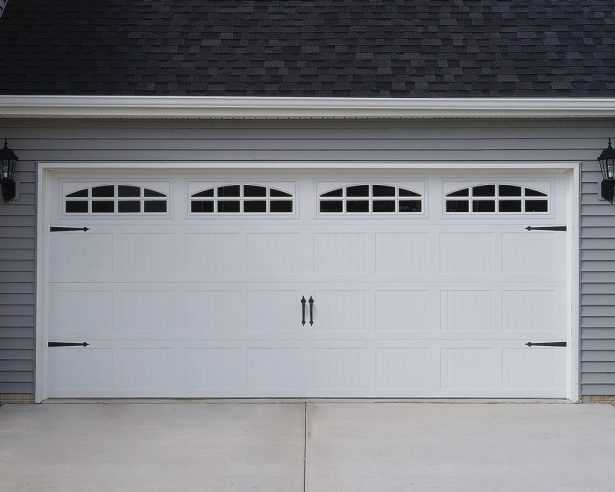
Technology now extends beyond the motor. Homeowners can choose sectional doors with large windows, slimline horizontal panels, timber-look finishes, or custom colours that coordinate with cladding and roofing. Roller doors remain useful where ceiling space is limited, while tilt doors can provide a broad, uninterrupted exterior appearance.
Powder-coated steel and aluminium are common choices in the Australian market because they offer a balance of durability, weight, and design flexibility. Colorbond-inspired finishes are popular for matching the wider exterior palette, though the best colour and coating depend on sun exposure and local conditions. Coastal properties should prioritise corrosion-resistant components and regular rinsing to remove salt deposits.
A good visual planning process can prevent expensive changes later. Homeowners can review garage door designs to compare panel patterns, glazing, colours, and architectural styles before discussing dimensions with an installer. Even unrelated visual references, such as the colour and character palettes found in iconic screen roles, can help when developing a distinctive exterior colour scheme.
Installation, Access And Maintenance
Smart technology cannot compensate for a poorly balanced or incorrectly fitted door. Before installing a new opener, a technician should inspect the springs, cables, tracks, hinges, rollers, brackets, and panel condition. An opener is designed to move a properly balanced door, not to overcome a damaged or excessively heavy one.
Clearance is another practical concern. A low ceiling, exposed beams, storage racks, or a steep driveway may affect the choice between a standard trolley opener, a side-mounted jackshaft system, or a compact roller-door motor. The garage opening should be measured accurately, including headroom, sideroom, backroom, and the available power outlet position.
Australian homeowners should also consider service coverage and replacement parts. Brands such as B&D and Gliderol are familiar in the local market, but availability varies by state and installer. In a strata complex or townhouse development, exterior changes may require body corporate approval, while heritage properties may need sympathetic materials and colours.
Maintenance remains straightforward when performed consistently. Keep tracks clean, test the reversal function, inspect seals, tighten visible hardware when appropriate, and arrange professional servicing if springs or cables show wear. Do not attempt to remove a torsion spring or lift a door with a damaged cable, as stored mechanical energy can cause serious injury.
Practical Choices For Australian Homes
The best garage door technology is the option that fits the building, climate, household routine, and maintenance budget. A homeowner who mainly wants reliable remote operation may need a quality opener and safety sensors rather than a fully automated smart-home package. Someone using the garage as a living or work area may benefit more from insulation and reduced vibration.
Before comparing models, define the main problem the new system must solve. This prevents attractive features from overshadowing basic requirements such as correct sizing, wind performance, service support, and safe manual release.
Use the following recommendations when assessing a new garage door or opener:
- Choose an opener with rolling-code security, dependable safety sensors, and a manual release that household members can use.
- Confirm Wi-Fi compatibility with the home’s existing smart-home platform before purchasing connected equipment.
- Select insulated panels and quality perimeter seals when the garage adjoins bedrooms or is used as a workshop.
- Ask about wind ratings, corrosion resistance, and storm protection in coastal or cyclone-affected locations.
- Compare belt, chain, direct-drive, and side-mounted motors according to noise, ceiling clearance, and door weight.
- Check installer licensing, warranty coverage, servicing arrangements, and access to replacement remotes or parts.
- Schedule professional inspections for springs, cables, and major mechanical faults instead of attempting hazardous repairs.
The newest garage door systems are valuable because they combine convenience with better information. Notifications, diagnostics, stronger safety controls, and improved materials can make everyday operation simpler while helping homeowners respond earlier to faults.
Start by measuring the opening, reviewing the home’s climate and access needs, and listing the features that genuinely matter. Then obtain advice from a qualified local garage door professional who can assess the existing structure and recommend a safe, compatible system for the property.