Sectional and roll-up garage doors compared
Choosing between sectional and roll-up garage doors starts with the space above and beside the opening. A sectional door uses hinged panels that travel along horizontal tracks, while a roll-up door winds a curtain of slats around a drum. Both can suit an Australian home, but the better choice depends on headroom, weather, security and how the garage is used.
The pros and cons of sectional vs. roll-up garage doors matter most when they are tied to a measured opening rather than a generic size chart. A low brick garage in inner Melbourne may suit a compact roll-up design, while a wider detached garage with useful roof space often benefits from a sectional door. The final decision should balance those site conditions against appearance, budget and maintenance expectations.
How the two door systems work
A sectional garage door consists of rigid panels joined by hinges. These panels travel along horizontal ceiling tracks and then down vertical tracks, with a torsion spring or lift mechanism balancing their weight. A roll-up garage door uses connected slats that run in narrow guides and wind around a drum. The systems look different, but the real distinction lies in the space, hardware and movement each requires.
For daily use, a sectional door usually provides more design flexibility and can accommodate thicker insulated panels. Roll-up doors generally have a smaller visual footprint and move directly upward, making them practical where ceiling storage is limited. Both can be motorised and controlled by a keypad, remote or smartphone-compatible opener. Their resistance to impact also differs: sectional joints can be damaged by a low vehicle, while the slats of a roll-up curtain can buckle if struck forcefully.
Space and access around the opening
Measure the opening at its widest and tallest points, then record the available depth inside the garage. A standard sectional installation often needs roughly 300 to 400 millimetres of extra headroom for its tracks, although high-lift and low-headroom track systems can reduce this requirement. Roll-up doors also need room for the drum and guide mechanism, but some installers can use shallow or boxed systems where clearance is restricted.
Australian site conditions make careful planning particularly important. Narrow Victorian terraces in Melbourne and inner-city Sydney homes may have limited side access, while sloping sites around Adelaide require a level threshold and sound drainage. In warmer cities such as Brisbane and Perth, vehicles are often parked directly under the opening, so drivers need to know the door’s lowest point and safe approach height. Bikes, wheelie bins, tools and stored ladders also need room to pass without obstructing the tracks.
Insulation and Australian weather
Sectional doors can use thin steel skins or thicker panels filled with polystyrene or polyurethane. Roll-up doors are available in insulated and non-insulated forms, but the fit of each slat and the surrounding guide rails influences performance. For a detached garage used as a workshop, gym or storage room, insulation can reduce heat gain and make the space more comfortable through Brisbane summers and warm Perth afternoons.
Australian conditions also affect seals and corrosion. Melbourne’s cool, damp winters reward well-fitted bottom seals and weatherstripping, while coastal properties near Sydney can experience salt-laden air that accelerates corrosion of hinges, rollers and tracks. For an existing sectional door, sensible insulation upgrade methods can improve comfort without replacing the whole system. A Colorbond-style finish may match local homes, but it is not an insulation rating or a guarantee of bushfire protection.
Security, noise and daily convenience
A rigid sectional panel can create a substantial barrier, particularly when fitted with a locking bar or secured opener. Roll-up doors can also be strongly secured, but the horizontal joints in the curtain and their guide mechanisms require regular inspection. Obstruction sensors, manual release locks and battery backup are useful for both types, particularly where power outages are common and the garage contains tools or valuables.
Noise is another consideration in close-knit suburbs. A well-adjusted sectional door travels smoothly and quietly, whereas an ageing roller, bent track or dry hinge can produce squeaks and vibration. Motorised openers should be set to the correct force for the door and size of the assembled panels. Households using Chamberlain, Craftsman or Linear equipment should follow the current manual, and opener setup guidance can provide additional reference when changing codes, adding a remote or checking emergency release procedures.
Appearance and the local property market
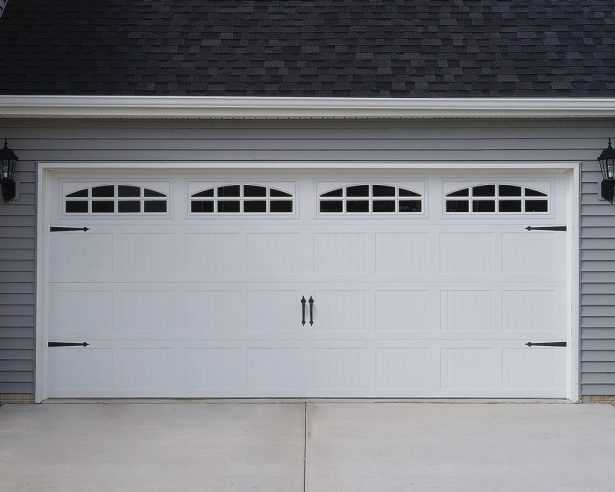
Sectional doors offer a broad range of finishes, including raised-panel designs, timber-look skins, contemporary flush profiles and colour-matched steel. These options make them popular for detached suburban homes with broad driveways and a clear view of the garage from the street. Roll-up doors suit narrower townhouse garages and light-commercial properties, where clean horizontal lines and a compact housing create a restrained appearance.
The local market strongly influences what looks appropriate. In planned estates, builders may specify sectional doors with coordinated facade colours and decorative glazing. Older properties may have heritage overlays or council consent requirements that limit visible changes. Apartment owners may also need body corporate approval before altering a shared entrance. Compare the door within the whole streetscape rather than choosing an isolated finish, and request samples before committing to a colour that might look different under strong Australian sunlight.
Maintenance and repair considerations
Sectional doors require periodic checks of hinges, rollers, cables, weather seals and the balance provided by the torsion spring. Roll-up systems need less horizontal track but still demand attention to the slats, vertical guides, drum, chain and bottom seal. Neither system should be treated as maintenance-free. Dust from inland regions can wear moving parts, coastal salt can cause corrosion, and heat can stretch or distort seals.
If a sectional door is binding, replacement instructions for roller and track replacement can help with diagnosis, but the spring and cables create serious stored-energy hazards. Do not adjust either component without suitable training and tools. For a damaged roll-up door, check for broken slats, a slipped chain or a misaligned guide before attempting a repair. Professional service is particularly worthwhile when the opener also stops, the door reverses unexpectedly or the fault sits beyond the moving sections.
Make a confident final choice
Choose a sectional door when the opening is wide, insulated panels are important and the garage has enough internal depth for conventional tracks. Choose a roll-up door when headroom is tight, a compact appearance matters or the opening has restricted side space. Neither style is universally better; the most suitable option is the one that fits the property, expected daily traffic and local conditions without compromising safe operation.
Ask each supplier for a written quote showing the door size, steel and insulation specification, opener model, tracks, seals, installation inclusions, warranty and wind-load documentation. For a new or substantially altered opening, confirm compliance with the applicable National Construction Code provisions and relevant AS/NZS 4500 requirements. Existing-door work should also be covered by a clear installation agreement and appropriate consumer guarantees under the Australian Consumer Law.
Measure the opening, list the features that matter to your household and use the site’s sizing guidance to compare sectional and roll-up options. Then arrange a measure-up with a qualified local installer, request documentation for wind performance and workmanship, and select the system that suits your property and routine. A clear brief and accurate measurement are the quickest route to a garage door that works reliably for years.