Steel Vs. Wood Garage Doors: A Practical Choice For Australian Homes
Choosing between steel and wood garage doors affects much more than the appearance of a home. The material influences insulation, maintenance, security, repair costs, weather resistance and the way the door operates each day. A suitable choice should match the local climate, the home’s architecture and the amount of upkeep a household is prepared to manage.
Steel is often selected for its strength and predictable performance, while wood appeals to homeowners who want natural texture and a custom architectural look. Neither option is ideal for every property. Understanding the differences between steel and timber garage doors makes it easier to compare the initial price with long-term ownership costs.
Appearance And Design Flexibility
Wood garage doors create a warm, handcrafted appearance that works well with Federation, Queenslander, cottage and contemporary homes. Cedar, meranti, western red cedar and engineered timber can be stained to show their grain or painted in a broad range of colours. Carriage-house designs, decorative battens, arched tops and custom window arrangements are easier to achieve with timber.
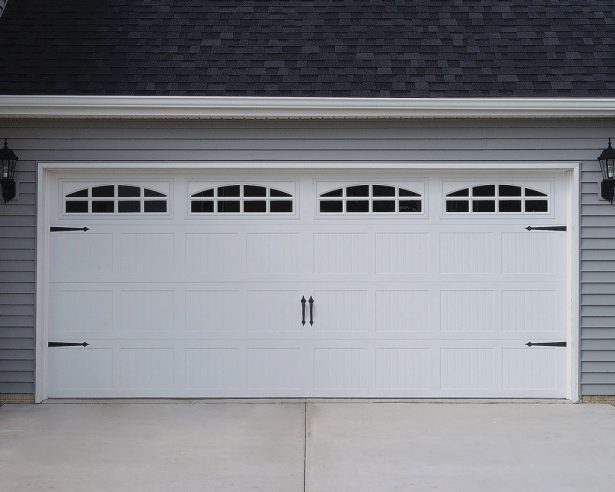
Steel doors have a cleaner, more uniform appearance, although modern manufacturing offers many design options. A steel sectional door can imitate timber grain, include recessed panels or use slim horizontal lines for a minimalist façade. Popular Australian finishes include Colorbond-inspired colours, which help the garage door coordinate with roofing, gutters and fencing.
Wood generally provides greater visual individuality, particularly for architect-designed homes or heritage properties. Steel suits homeowners who prefer low-maintenance symmetry and consistent colour. In Sydney or Melbourne, a door facing a prominent street may need to satisfy council, heritage or strata requirements, so the preferred material should be checked before ordering.
Strength, Security And Everyday Use
A well-made steel garage door is difficult to dent through ordinary use and offers a strong barrier between the garage and the outside world. This can be valuable for households that store bicycles, tools, sporting equipment or vehicles in the garage. Steel also works effectively with automatic openers, safety sensors and remote controls when the tracks, springs and lifting mechanism are correctly matched.
Wood can be remarkably strong, especially when built with a solid frame and quality panels. Its weight, however, may place greater demands on hinges, rollers, springs and the garage door motor. A timber door that absorbs moisture can become heavier or distorted, causing noisy operation and uneven movement. Regular inspection is particularly important when the door is opened several times a day.
Security does not depend on material alone. Good locks, reinforced fittings, secure windows, functioning photoelectric sensors and an opener with rolling-code technology all contribute to protection. Automatic doors should also reverse when they meet an obstruction. In Australia, installation and electrical work should be handled according to applicable standards and by appropriately licensed tradespeople.
Key performance considerations include:
- Steel is usually more resistant to impact, twisting and everyday knocks.
- Wood can be strengthened with robust frames, bracing and quality hardware.
- Both materials need secure locks, reliable rollers and correctly adjusted springs.
- Automatic openers require safe reversing and obstruction-detection features.
- Heavy or poorly balanced doors can shorten the life of an opener.
Maintenance In Australian Conditions
Australian weather creates different maintenance demands from city to city. In Brisbane, humidity and heavy rain can encourage swelling, mould and coating failure on untreated or poorly sealed timber. Coastal homes around Sydney, Perth and the Gold Coast must also account for salt-laden air, which can accelerate corrosion on exposed steel components and hardware.
A steel garage door normally needs washing, visual inspections and occasional touch-up work when the protective coating is chipped. Rust is most likely to begin around scratches, fasteners, bottom edges and areas where water remains trapped. Galvanised components and high-quality powder-coated finishes offer better resistance, but they are not maintenance-free.
Timber requires a more regular finish schedule. Stain or paint may need refreshing every few years, depending on sun exposure, ventilation and the quality of preparation. The bottom edge should be kept away from standing water, and drainage around the garage entrance should prevent rain from pooling against the panels. Perth’s intense sun can fade or dry timber finishes, while Melbourne’s changing temperatures can expose movement in joints and coatings.
Maintenance also includes cleaning tracks, checking cable condition and testing the opener’s safety response. Homeowners should avoid adjusting torsion springs or lifting cables without the right training, since these components store considerable energy. A service technician can identify imbalance before it becomes a costly failure; garage door repair guidance can also help owners understand common faults and appropriate repair steps.
Insulation, Noise And Energy Performance
An attached garage can become very hot in summer and cold in winter, especially when it shares walls or a ceiling with living areas. Insulated steel doors usually perform well in this situation because they can contain a layer of polyurethane or polystyrene between two steel skins. Better insulation reduces heat transfer and can make the room above the garage more comfortable.
A solid timber door has natural insulating properties and can provide a substantial barrier when its panels fit tightly. Its actual performance depends on thickness, gaps, weather seals and construction quality. A thin decorative timber door may insulate less effectively than a properly insulated steel sectional door.
Noise is another practical consideration. Steel panels can produce a hollow sound if they are lightweight or poorly supported, while quality insulated models are generally quieter. Timber can feel solid and reduce some vibration, but its weight may create more strain if the rollers or hinges are worn. Nylon rollers, suitable hinges and regular lubrication often make a greater difference to sound than the panel material itself.
The garage door should also be sized and sealed correctly. Side gaps, worn bottom seals and poorly aligned panels allow draughts, dust and insects inside regardless of whether the door is steel or wood. In homes where the garage is used as a workshop, storage room or laundry entry, these small details can affect comfort more than the choice of skin material.
Cost, Repairs And Long-Term Value
Steel garage doors are often more affordable at the entry level, particularly in standard sizes and common finishes. They are widely available through the Australian market, and replacement panels, rollers, seals and opener components are usually easier to source. A basic steel door can be a sensible option for a project where budget, durability and quick installation are priorities.
Custom timber doors generally cost more because they involve material selection, skilled joinery, heavier hardware and more finishing work. Installation may also require a stronger opener or additional structural support. Repairs can be more specialised, although individual timber sections may sometimes be restored rather than replaced if the damage is limited.
Important cost factors include:
- Purchase price, delivery and installation
- Insulation level and glazing options
- Paint, stain, sealing and future refinishing
- Replacement panels, springs, rollers and weather seals
- Opener capacity and electrical installation
- Exposure to salt, humidity, sun and driving rain
The cheapest option at purchase may not be the lowest-cost choice over 15 or 20 years. A steel door in a sheltered suburban garage may need little more than cleaning and small coating repairs. A timber door in a damp coastal environment may require frequent refinishing, while a well-maintained hardwood door can remain attractive and repairable for decades.
Local availability matters as well. Standard steel sizes are commonly stocked or made to order, whereas unusual timber dimensions, custom arches and bespoke glazing can involve longer lead times. Homeowners should request a written quotation that separates the door, hardware, motor, installation, removal of the existing unit and any structural alterations.
Choosing The Right Material For Your Home
Steel is usually the practical choice for homeowners who value durability, predictable maintenance and a broad selection of standard styles. It suits busy households, rental properties, new builds and homes where the garage is exposed to regular knocks. An insulated, corrosion-resistant steel door can offer a strong balance of price, security and thermal performance.
Wood is better suited to properties where façade character is a major priority and the owner accepts routine care. It can add depth and craftsmanship that a factory-finished door may not reproduce convincingly. Timber is especially appealing when the garage forms part of the main elevation or needs to complement existing hardwood doors and windows.
Before making a final decision, assess the door’s exposure, operating frequency and surrounding architecture. A garage in a Brisbane storm-prone area needs effective drainage and moisture protection. A coastal home needs corrosion-resistant hardware, while a Melbourne property may benefit from careful attention to seals and changing weather. Owners in strata developments should confirm whether an exterior colour or door style requires approval.
Measure the opening accurately and consider headroom, side clearance and the position of lights or storage systems. A reputable installer can recommend sectional, roller or tilt-door operation and confirm whether the existing frame can carry the new unit. Select a material, finish and hardware package that will continue to look suitable and operate safely long after installation day.
Compare quotations from qualified local installers, inspect samples in natural light and ask about warranties, coating care and spare-part availability. A thoughtful choice between steel and wood can improve the home’s street appeal while keeping repairs, energy use and daily operation under control.