Garage door colour ideas that lift Australian homes
A garage door can occupy a large portion of the front elevation, so its colour has a powerful effect on kerb appeal. The right shade can make a single garage feel quieter, help a double garage blend into the facade, or give a tired exterior a sharper, more current appearance.
The best choice depends on more than personal taste. Brick tone, roof colour, driveway paving, landscaping, sunlight and the surrounding streetscape all influence how a finish will look. A colour that feels elegant in a shaded Melbourne laneway may appear much brighter under the strong afternoon sun in Perth or Brisbane.
These garage door colour ideas cover reliable neutrals, coastal shades, natural greens and bolder accents. They also consider practical Australian conditions, including Colorbond roofing, salty coastal air, hot summers and the expectations of local councils or heritage streets.
Soft white and classic charcoal
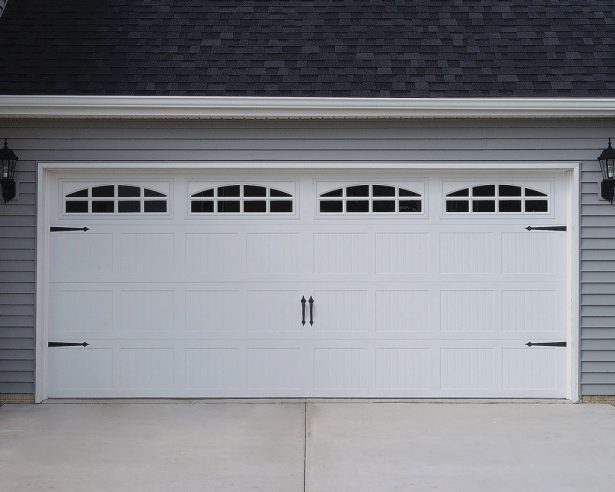
Soft white is a dependable option for homes with light brick, rendered walls or coastal architecture. It keeps the frontage fresh and airy, particularly when the garage sits beneath a white fascia, gutter or porch ceiling. Choose an off-white or warm white rather than a stark brilliant shade if the home has cream brick, sandstone or timber details.
White garage doors can also visually reduce the weight of a broad double opening. This is useful on compact suburban blocks where the garage dominates the street-facing elevation. A satin or low-sheen finish usually hides dust and minor surface marks better than a high-gloss coating.
Charcoal offers the opposite effect. A deep grey door gives a modern home a strong architectural anchor and pairs neatly with black window frames, concrete paths and pale render. It is especially effective on minimalist facades, although very dark colours can absorb considerable heat in full Australian sun. Check the manufacturer’s heat guidance before selecting a near-black finish for a west-facing garage.
Warm grey and sandy neutral
Warm grey, often called greige, is a flexible middle ground between beige and grey. It suits common Australian materials such as cream brick, limestone, spotted gum and mid-brown roof tiles. Unlike a cool silver-grey, a warm neutral avoids making a traditional home look stark or disconnected from its surroundings.
This shade is also forgiving when the driveway gathers dust after a dry spell. It can coordinate with Colorbond roofing in tones such as Dune, Basalt or Shale Grey, depending on the exact undertones. Always compare physical samples outside, because a colour viewed under a showroom’s fluorescent lighting can look very different beside brickwork.
Sandy beige and taupe create a relaxed, low-contrast frontage. They work well in coastal suburbs around Adelaide, the Gold Coast and the Central Coast, where pale masonry and simple planting are common. A timber-look front door, woven outdoor furniture or sandstone edging can reinforce the warm palette without making the garage appear too decorative.
Sage and eucalyptus green
Sage green brings a soft connection to gardens and is well suited to cottages, weatherboard houses and renovated bungalows. It looks particularly balanced beside cream render, red brick and natural timber. Because it is muted, sage can add personality without competing with flowering plants or a colourful front garden.
A paler grey-green is useful when you want the garage to recede. The colour can be repeated on shutters, planter boxes or a side gate, creating a considered scheme across the front of the property. Avoid matching every exterior element exactly; variation in texture and tone keeps the elevation from looking flat.
Deeper eucalyptus and gum-leaf greens create a richer statement. They suit homes surrounded by established planting and can be striking with warm white walls or pale stone. In bushfire-prone areas, colour selection should never distract from required building standards, vegetation management or local regulations. The finish is part of the appearance, not a substitute for proper protection.
Navy and muted blue
Navy blue gives a garage door a tailored, classic quality. It complements white weatherboard, grey render, red brick and polished concrete, making it suitable for both coastal and contemporary homes. A navy door can echo the colour of a front gate or roof detail while remaining more distinctive than black.
This option works best when the facade has enough light around it. On a narrow frontage with dark cladding and dense planting, navy may make the entry feel enclosed. Balance it with pale walls, light garage lighting or a timber feature that introduces warmth.
Muted blue and blue-grey are gentler alternatives. They suit beachside homes, Hamptons-inspired exteriors and properties with corrugated metal roofing. In places such as Newcastle or Wollongong, a smoky blue can reflect the coastal setting without leaning into an overly themed seaside look. Choose a weather-resistant coating designed for outdoor exposure, especially where salt-laden air can accelerate corrosion on hardware and metal components.
Terracotta and earthy red
Terracotta is a confident colour that links naturally with clay roof tiles, brick paving and warm-toned masonry. It can make a plain garage door feel more intentional, particularly on Mediterranean, Spanish or mid-century homes. A dusty terracotta is generally easier to live with than a vivid orange, which may overwhelm a small frontage.
Use this colour as part of a restrained palette. If the roof, brickwork and garage are all strongly warm, the result may feel visually busy. A neutral wall, simple black hardware and understated landscaping allow terracotta to become the feature without turning the facade into a collection of competing tones.
Deep brick red is another useful option for traditional homes. It can tie a garage door to existing red brickwork while giving the entrance more depth. Before committing, inspect the door at different times of day. Red pigments can appear much brighter in direct sun and considerably darker beneath a verandah or carport.
Natural timber and timber-look finishes
Natural timber remains appealing because it adds warmth and texture to a hard-edged garage opening. Cedar, merbau and spotted gum tones can complement timber entry doors, decking and garden structures. On a modern rendered home, a timber-look sectional door can soften an otherwise plain elevation.
Solid timber requires more maintenance than a pre-finished steel or aluminium door. Sun exposure, moisture and changing temperatures can lead to fading, swelling or coating wear if the surface is neglected. Timber-look finishes offer a practical alternative, providing the visual character of boards while generally requiring less frequent care.
Match the undertone rather than trying to make every timber element identical. A honey-coloured garage door beside a reddish front door can look accidental, while a consistent warm or neutral undertone creates better visual flow. Horizontal panel lines can also emphasise the width of a double garage and make the frontage feel more proportionate.
Matching colour to the facade
The strongest colour scheme usually contains a dominant wall tone, a secondary trim or roof colour, and one controlled accent. The garage door can occupy any of these roles. It may blend with the walls, match the trim, or provide the accent, but choosing a separate high-contrast colour without a supporting detail can make the door look disconnected.
For a brick home, sample the mortar as well as the bricks. A pale mortar may support a soft grey or cream door, while dark mortar can handle charcoal, navy or deep green. On rendered homes, compare the door with the shadow lines around windows and eaves, since these areas affect how warm or cool the facade appears.
Scale matters in Australian suburbs, where many homes have a double garage close to the footpath. A bold colour across a six-metre opening may dominate the entire street view. If the door is visually large, a mid-tone shade or a colour close to the wall will often create a calmer result than an intense contrast.
Choosing a durable finish
Colour samples should be viewed outdoors, preferably on the same side of the house as the garage. Morning light, harsh midday glare and late-afternoon shade can reveal undertones that are invisible in a catalogue. Place samples beside the roof, brick, render and driveway rather than judging them against a white sheet.
Finish type changes the way colour behaves. Gloss surfaces reflect more light and can highlight panel imperfections, while matte finishes create a softer contemporary appearance. A low-sheen surface is often a practical compromise for homeowners who want depth without making every fingerprint or dusty mark obvious.
Maintenance also affects long-term kerb appeal. Wash the door with clean water and a mild detergent when grime accumulates, and avoid abrasive products that can damage the coating. Inspect hinges, rollers, cables, springs and seals during routine care; a beautifully coloured door still needs safe operation. For broader troubleshooting and garage door repair resources, use guidance that matches the opener and door system rather than forcing a component that feels stuck.
Take photographs of your facade, collect large exterior samples and compare them in real daylight before ordering. Then choose the colour that supports the home’s architecture, suits the local climate and gives the garage a deliberate place in the overall streetscape.