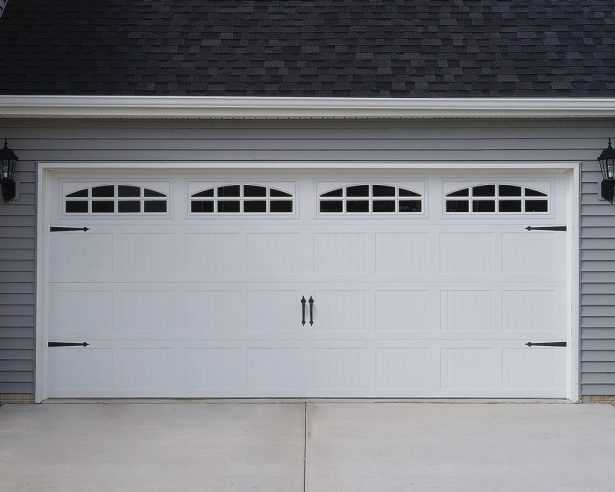
What to look for in a garage door warranty
A garage door warranty can sound simple: if something fails, the manufacturer or installer will fix it. In practice, the document may cover only the door panel, while springs, opener, labour, transport or workmanship sit under separate conditions. Reading those distinctions before purchase prevents an expensive surprise when the door sticks, the motor hums or rust appears.
Australian homeowners should also compare the written warranty with their statutory rights, local climate and installation arrangements. A useful warranty states what is covered, who must perform the work, how long coverage lasts and what evidence is needed. It should be easy to follow without relying on the installer’s memory or verbal assurances.
Coverage that matches the whole system
A residential garage door is a system rather than a single product. The door, tracks, springs, rollers, opener and safety equipment may have different manufacturers and warranty periods. Check whether the warranty applies to the complete installation or only to factory-supplied components.
Look for precise answers to these questions:
- Door and frame: Are panels, sectional joints, frames, tracks, hinges and rollers covered?
- Moving and tension parts: Are torsion springs, cables, drums and spring hardware included?
- Opener and controls: Does coverage extend to the motor, chain or belt, control board, remotes and safety sensors?
- Work and travel: Are diagnosis, labour, call-out fees and remote-area charges included?
- Ownership changes: Can the remaining warranty be transferred to a new homeowner?
The coverage period should be clearly identified. Some warranties begin when the door is manufactured, others on purchase or installation, and some require registration within a set period. Find the actual deadline rather than assuming the date printed on the invoice starts the clock.
Also establish whether a covered failure results in repair, replacement or a refund. Replacement panels may use a different finish or profile from the original door, and the supplier may charge for freight or disposal. For opener problems, confirm whether a technician must replace the entire unit or whether individual motors, boards or sensors can be repaired.
Exclusions that cause disputes
Small print often determines whether a claim succeeds. Common exclusions include accidental impact, storm or flood damage, unauthorised modifications, commercial use, insufficient maintenance and damage caused by attempting a repair beyond the manufacturer’s instructions. Some policies also exclude work performed by an unqualified person.
The wording matters. “Abuse” may refer to forcing a jammed door, while “neglect” could mean failing to maintain specified lubrication and clearance requirements. Ask for the maintenance schedule in writing and keep a simple service record. Record inspections, cable adjustments, opener servicing and the replacement of batteries or remote controls where applicable.
Pay particular attention to finish and corrosion guarantees. One policy might cover perforation caused by a specified failure but exclude surface rust, paint fading or salt contamination. Others cover corrosion only for a limited period or only in certain environments. Confirm that coastal exposure, high humidity and intense sunlight are addressed rather than assuming every weather-related deterioration is protected.
Installation, proof and paperwork
A product warranty does not necessarily cover faulty installation. Ask the installer which parts of the work they warrant, how long that workmanship coverage lasts and whether they hold appropriate insurance. The agreement should also confirm compliance with the manufacturer’s instructions and applicable Australian requirements.
Before the installer leaves, check the operation of the door and opener. The door should travel smoothly, stop in open and closed positions and reverse when an obstruction is detected. Test separate remotes and any emergency release, and obtain the opener’s programming information. A pre-existing alignment problem may become visible only after the first heavy rain, hot day or full load of stored items.
Keep the invoice, product and opener serial numbers, installation date, warranties and payment records together. Take photographs of the tracks, springs, fixings and completed installation, but do not disturb covers or attempt to photograph inaccessible tension components. If the door is altered or the opener is replaced, check whether that action affects the original warranty.
Australian conditions and everyday use
Australian conditions vary considerably, so the same door may face different risks in different cities. Sydney homes may experience salt-laden coastal air, Melbourne has rapid weather changes and strong seasonal winds, Brisbane brings sustained humidity, and Perth often sees high heat and dust. Ask what the manufacturer’s warranty assumes about exposure to these conditions.
Garages also serve as more than vehicle shelters. Many households use them for deliveries, bins, bicycles, tools, gym equipment or overflow household storage. A heavier operating load can place additional stress on springs, rollers and opener tracks. Insulation, sealing and ventilation requirements can differ depending on whether the garage is attached to the home.
Long-term protection matters because a door is part of a building’s everyday access system. As the Coffin Road story shows with historic transport infrastructure, small decisions about access and durability can shape use for generations. The Australian market offers both do-it-yourself kits sold through major retailers and complete installations supplied by specialist companies, making it important to compare the installer’s responsibilities as well as the door’s advertised features.
Consumer rights and a practical claim
The Australian Consumer Law provides consumer guarantees that generally apply alongside a manufacturer’s voluntary warranty. Goods must be of acceptable quality, fit for any disclosed purpose, match their description and honour any express warranties. These protections generally cannot be removed by a warranty’s fine print. Installation and repair services may also attract guarantees relating to reasonable care and skill.
If a defect appears within the relevant guarantee period, the retailer or supplier may need to repair or replace the product, provide a refund or take another corrective action. State and territory consumer agencies, including Fair Trading NSW, Consumer Affairs Victoria and the Queensland Office of Fair Trading, provide guidance and dispute pathways. Manufacturer warranties still matter because they may offer broader operational coverage.
Build a claim file before contacting anyone:
- A description of the symptom, when it began and the conditions in which it occurs
- Photographs or a short video showing the door, tracks, opener and warning lights
- The invoice, serial numbers, installation paperwork and remaining warranty details
- Copies of previous invoices, service reports and correspondence with the supplier
- A dated record of calls, emails and promised actions
Read the claim procedure and identify who must attend the property. A manufacturer may authorise a repair through its own network, while the installer handles labour or access charges under a separate agreement. If the installer cannot be reached, contact the manufacturer directly and keep installer contact details with the other documents, but verify that the business matches the one named on your invoice.
Make every communication specific. Put the defect, requested remedy and relevant warranty terms in writing, and keep a copy of each message. Do not describe the problem as a general fault; identify the part, behaviour or damage involved. If the response is delayed or unsatisfactory, document the dates and escalate the complaint to the relevant state consumer agency or use a formal dispute process.
Make the warranty part of the purchase decision
Compare warranties using the same checklist for every quote. Record what is covered, the duration, labour terms, exclusions, maintenance requirements and transfer conditions. A longer printed warranty is not automatically better if it applies only to parts or excludes installation.
Ask the supplier to mark the selected door and opener on the quote, state the overall dimensions and confirm whether the installation includes removal, disposal, adjustment and safety testing. Obtain a sample of the manufacturer’s warranty rather than accepting a vague summary, especially when an older door is being replaced.
Review the final documents while the installer is present, and resolve discrepancies before payment. Photograph the completed work, save the programming instructions and keep every record in one accessible folder. Get the warranty terms, installer responsibilities and exact coverage start date in writing before the deposit is paid.