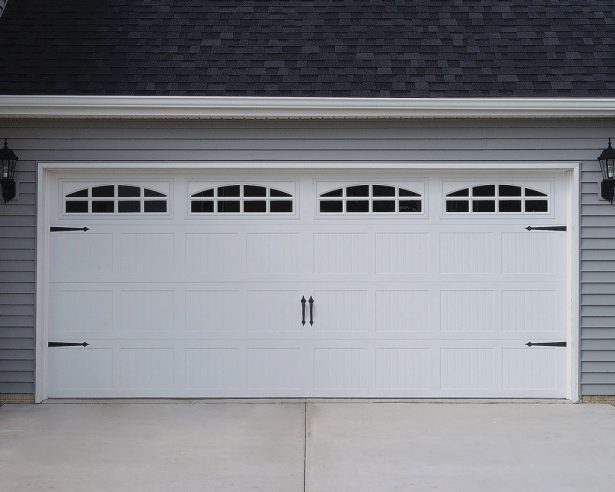
Common garage door problems and how to fix them
When a garage door starts acting up, it can throw the whole morning into chaos. From a sluggish roll-up on a humid Brisbane afternoon to a remote that mysteriously stops working in the middle of a Melbourne winter, common garage door problems affect almost every homeowner at some point. The good news is that the most familiar issues have surprisingly straightforward fixes once you understand which component is misbehaving.
A working knowledge of the moving parts, the opener mechanism and the typical wear points can save a callout fee and a long wait on a tradie's schedule. Below is a practical walk-through of the faults that turn up most often in Australian homes, along with safe, sensible troubleshooting steps you can try before reaching for the phone.
Grinding, squeaking and other unwanted sounds
Noisy operation ranks at the top of almost every homeowner's complaint list. A door that groans on the way up or rattles on the way down usually points to one of three culprits: dry rollers, worn hinges or a chain-drive opener that has lost its lubrication. Nylon rollers tend to be the quietest, while older steel rollers with sealed bearings eventually grit up and need replacing.
In coastal suburbs from Sydney's Northern Beaches to Perth's Scarborough, salt-laden air accelerates wear on metal hardware. A quick spray of white lithium grease on hinges, roller shafts and the opener's chain or screw drive silences the racket within minutes. For sectional doors, also check the spring assemblies and the bearing plates at the top corners, as these take the brunt of every cycle. If the noise returns within a few weeks, the rollers themselves are usually worn out and a swap to new nylon units is the longer-lasting fix.
The door refuses to open, close or reverses unexpectedly
Few things are more annoying than a door that hums and reverses halfway down, or one that simply refuses to budge at all. The first port of call is the photo-eye sensors mounted a few centimetres off the floor near the track. In homes around Adelaide or Hobart, spiders are notorious for spinning webs across these small lenses, blocking the beam and triggering the safety reverse.
Wipe both sensor lenses with a soft cloth and make sure the small LED on each unit is glowing steadily. If one is flickering or dark, gently bend the mounting bracket until the two units face each other squarely. Next, check the opener's down-force and travel limits; these are small adjustment screws or dials usually found on the side or back of the motor housing. Wind the down-force slightly clockwise so the door closes firmly without reversing on contact with the ground. If the door still won't move, listen for the motor. A click with no spin often means a stripped internal gear, which calls for a professional service rather than a backyard repair.
Remote controls, keypads and code headaches
Lost remotes, forgotten PINs and unresponsive keypads are some of the most familiar garage door problems in modern households. Most openers made in the last fifteen years use rolling-code technology, meaning the handheld remote and the motor unit must be re-synced after a power outage or battery change. The process typically starts with pressing a "Learn" or "Program" button on the back of the motor, then pressing the desired button on the remote within thirty seconds.
Homeowners in Australia occasionally import openers from overseas, particularly older Craftsman units brought in with caravans or purchased second-hand. For anyone working with one of these imports, the steps to change the access PIN and reset the wireless remote are well worth knowing. If you need to reprogram a Craftsman unit specifically, this changing the code guide walks through the process step by step. Battery contacts oxidise surprisingly fast, so popping a fresh CR2032 or AAA cell into the remote is always a sensible first move before assuming the unit has failed.
Springs, cables and balance issues
The springs are the muscle of any garage door, and they are also the component most likely to fail violently if mishandled. Torsion springs sit horizontally above the door, while extension springs run along the tracks on either side. If you notice a gap in a torsion spring, a stretched extension spring, or frayed lifting cables, stop using the door immediately. A snapped spring under tension can cause serious injury and significant damage to panels and the vehicle beneath.
Testing balance is simple but must be done with the door closed and the opener disconnected. Lift the door manually to about waist height and let go. A correctly balanced door should hover in place with minimal drift. If it shoots up or slams down, the springs need re-tensioning by someone with the proper winding bars and experience. For homeowners in cyclone-prone Darwin or storm-affected regional Victoria, it is particularly wise to book a spring inspection annually, since gusty conditions place extra strain on these components.
Tracks, rollers and hinges slipping out of alignment
The steel tracks on either side of the door guide every movement, and even a few millimetres of misalignment can cause grinding, jerking or complete jamming. Tracks are usually held to the wall or ceiling with simple lag screws through brackets, and they can be tapped back into position with a rubber mallet. Never bend the track while the door is under spring tension, and always loosen the mounting screws slightly before making adjustments.
Rollers run inside these tracks, and a worn roller can chew up the inside of the rail within a year. Inspect the rollers while the door is open and stationary, looking for flat spots, missing bearings or wobble. Likewise, hinges between panels can loosen over time, especially on older sectional doors found in many Brisbane and Melbourne fibro cottages. For a deeper look at how the panels, hinges, rollers and struts work as a single coordinated system, this garage door anatomy reference is worth a read. Tightening the hinge screws with a socket wrench restores smooth panel movement and stops the door from sagging on one side.
Weather, salt and bushfire considerations unique to Australia
The Australian climate throws a unique mix of challenges at garage doors. Along the coast, salt spray works into the smallest crevices and corrodes bare steel, while inland regions deal with intense UV that fades paint and dries out rubber seals. In designated bushfire-prone areas of New South Wales, Victoria and South Australia, BAL-rated (Bushfire Attack Level) doors may even be required by local council for new builds and major renovations. These units use non-combustible cladding, ember-resistant seals and metal mesh in the vents.
For everyday maintenance, hosing down a coastal garage door with fresh water every few weeks and applying a protective wax once or twice a year dramatically reduces corrosion. Rubber seals at the bottom of the door perish faster under Australian sun, so replacing them every three to five years is reasonable. If a panel has buckled after a heatwave or warped after a wet season, replacing just the affected section is often cheaper than a full door, provided the original model is still manufactured. Hardware stores such as Bunnings stock generic bottom seals, while specialist door suppliers can colour-match panels for most major brands.
Most garage door problems respond well to a small amount of routine care, a few basic tools and a willingness to read the manual cover to cover. For faults that involve springs, internal gears or structural damage, booking a qualified technician is the safest path, and keeping their number handy means a breakdown never has to ruin the day. Browse the rest of the site for region-specific repair guides and step-by-step programming tutorials to keep your door running smoothly year-round.