Garage Door Design Trends for 2025 and Beyond
Garage doors have become a prominent part of a home’s street appeal rather than a purely functional entry point. In 2025, homeowners are choosing designs that coordinate with the roofline, windows, fencing and front door, while also improving insulation, security and everyday convenience. The strongest garage door trends combine clean architectural lines with materials that can handle local weather conditions.
Australian homes call for a particularly practical approach. A contemporary door must suit everything from compact Melbourne terraces and Sydney coastal properties to spacious Brisbane homes, regional builds and apartment developments with shared garages. Colour, ventilation, corrosion resistance, automation and bushfire considerations can all influence the right choice.
| Design direction | Visual character | Suitable Australian setting | Practical priority |
|---|---|---|---|
| Modern sectional door | Flat panels, subtle seams, restrained colours | New builds and renovated façades | Insulation and quiet operation |
| Timber-look finish | Warm grain with contemporary proportions | Coastal, suburban and character homes | Low-maintenance surface |
| Vertical slatted style | Strong lines and architectural texture | Minimalist and architect-designed homes | Privacy and ventilation |
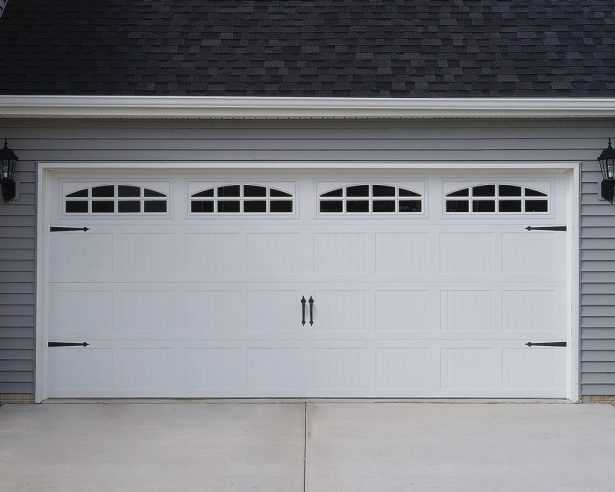
| Classic carriage-house look | Decorative hardware and traditional symmetry | Federation, Queenslander and cottage homes | Authentic proportions |
| Full-view aluminium door | Glass panels in a slim frame | Garages used as studios or entertaining areas | Light, privacy and thermal control |
Clean Lines And Softer Minimalism
The move towards minimalist garage doors continues, though stark industrial styling is giving way to warmer, more liveable finishes. Wide horizontal panels, flush surfaces and concealed hardware create a calm façade without making the garage appear oversized. These doors work well with rendered walls, face brick, concrete, timber cladding and dark window frames.
Muted shades are increasingly popular in place of standard white. Charcoal, warm grey, sand, greige and soft black can echo roof materials or external joinery, while earthy greens and clay tones suit gardens and natural stone. In Australia, Colorbond-inspired shades are an easy way to coordinate a garage door with roofing and fencing, especially when the home already uses a consistent exterior palette.
Minimalism does not mean the door has to look plain. Narrow grooves, fine ribbing, recessed panels and carefully selected glazing add depth without creating visual clutter. Homeowners comparing options can use this garage door style guide to assess proportions, architectural compatibility and the balance between appearance and maintenance.
Timber Looks, Sustainable Materials And Texture
Natural timber remains desirable, but many homeowners are moving towards timber-look steel, aluminium and composite finishes. These alternatives provide the warmth of oak, cedar or spotted gum while reducing the regular staining, sealing and weather protection that real timber may require. High-quality printed or embossed finishes can look convincing from the street and are especially useful for busy households.
Texture is becoming just as important as colour. Fine woodgrain surfaces, matte powder coating, micro-ribbed panels and mixed-material façades create interest in otherwise simple elevations. A timber-look garage door paired with black framing and pale render can suit a modern coastal home, while a deeper walnut tone may complement a brick bungalow or renovated Queenslander.
Material selection should reflect the local environment. Salt air around Sydney’s northern beaches, Perth’s coastal suburbs and parts of Adelaide can accelerate corrosion on poorly protected components. Aluminium and corrosion-resistant hardware may be preferable in exposed locations. In bushfire-prone areas, homeowners should also check the relevant BAL requirements and select compliant products with advice from a qualified local supplier.
Glass, Ventilation And Flexible Garage Spaces
The garage is increasingly used as a workshop, home gym, creative studio, storage room or secondary entertaining zone. This has increased demand for doors with windows, full-view panels and ventilation features. Glazing brings natural light into a dark space, reducing the need to switch on lights every time the door is opened.
Full-view aluminium doors are particularly effective for contemporary homes, though privacy needs careful consideration. Frosted, tinted, obscure or laminated glass can admit daylight while limiting views into the garage. Narrow horizontal windows can also provide a modern appearance without exposing stored items or vehicles to the street.
Ventilation is useful in warm regions such as Brisbane and the Gold Coast, where a closed garage can become intensely hot. However, ventilation should not weaken security or allow rain, dust and pests to enter. Where a garage is connected directly to the home, the door between the garage and living areas should remain properly sealed, and any alterations should meet applicable building and fire-safety requirements.
Automation is developing alongside these visual trends. Modern openers can support smartphone access, timed closing, activity notifications and integration with broader home systems. Chamberlain, Craftsman and Linear programming instructions are commonly sought by homeowners, but Australian buyers should confirm that the opener, remote controls and accessories are compatible with the local model and frequency.
Security, Energy Efficiency And Everyday Performance
A visually impressive garage door still needs to perform reliably. Insulated sectional doors are gaining attention because they can moderate temperatures, reduce outside noise and improve the comfort of rooms located above or beside the garage. This matters in Melbourne winters, hot western Sydney summers and homes where a garage doubles as a work area.
Security features are becoming less visible but more sophisticated. Rolling-code remotes, automatic closing schedules, battery backup and smartphone alerts can reduce the risk associated with lost remotes or an open door. Some systems allow temporary access for family members, tradespeople or short-term visitors without handing out a permanent remote.
Safety should guide every automation decision. Photo-eye sensors must be aligned and kept clear, reversing functions should be tested regularly, and children should never use the door as a play area. A door that becomes noisy, jerky, slow or uneven may have a worn spring, cable, roller or track problem. Continuing to operate it can turn a minor repair into a serious failure.
Homeowners should also consider maintenance access when choosing a design. Dark colours can show dust and salt deposits more clearly, while textured finishes may hold grime around grooves. Washing the exterior with mild detergent, checking seals and clearing the tracks can extend the life of the system. Lubrication should be applied only where the manufacturer recommends it, since excess product can attract dirt.
Practical Choices For A Long-Lasting Upgrade
The most successful garage door renovation begins with the structure rather than a colour sample. Measure the opening, headroom, side clearance and available depth before choosing a sectional, roller, tilt or custom door. Check whether the existing frame is square and whether the driveway slopes towards the opening, as these details affect drainage, clearance and installation.
A local climate assessment is equally important. Coastal homeowners may prioritise powder-coated aluminium and stainless or galvanised hardware. Those in bushfire areas should investigate BAL-rated solutions. In strata communities in Sydney, Melbourne or other major cities, owners may also need approval for changes visible from shared driveways or the street.
Use these recommendations when comparing designs and quotes:
- Match the door colour with at least one existing exterior element, such as roofing, window frames or fencing.
- Choose insulated panels when the garage adjoins living spaces or is used as a workshop, office or gym.
- Select corrosion-resistant hardware for coastal suburbs and regularly wash away salt and airborne grime.
- Consider obscure or tinted glazing where the garage faces a footpath, shared driveway or neighbouring property.
- Confirm automation compatibility, safety sensors and battery-backup options before purchasing a new opener.
- Ask for warranty details covering the panels, springs, motor, finish and installation workmanship.
A reliable quote should describe the door construction, tracks, springs, opener, remotes, disposal of the old system and ongoing service requirements. Very low prices may exclude electrical work, structural adjustments or the removal of an outdated door. Comparing the complete installed package makes it easier to judge value and avoid unexpected costs.
If the door is damaged, difficult to lift or making unusual sounds, professional assessment is safer than adjusting springs or cables without training. Homeowners needing location-specific assistance can request repair guidance before deciding whether a repair, replacement or full design upgrade makes the most sense.
Designing A Door That Ages Well
The best garage door ideas for 2025 and beyond are adaptable rather than tied to a short-lived fashion. A restrained panel profile, durable finish, suitable insulation and dependable automation can remain attractive through future repainting, landscaping and façade updates. Decorative details can be changed more easily than the door itself, so the core design should be chosen for proportion and performance.
Before ordering, view large samples in outdoor light and compare them against the home’s brick, render or cladding. Consider how the surface will look in direct Australian sun, under street lighting and after exposure to dust or salt. A design that feels balanced from the kerb will usually deliver greater long-term satisfaction than one selected from a small catalogue swatch.
A well-planned garage door upgrade can strengthen security, improve energy performance and transform the first impression of a property. Review the structure, climate, planning requirements and automation needs, then arrange a professional assessment and choose a door that supports the way your household will use the home for years ahead.