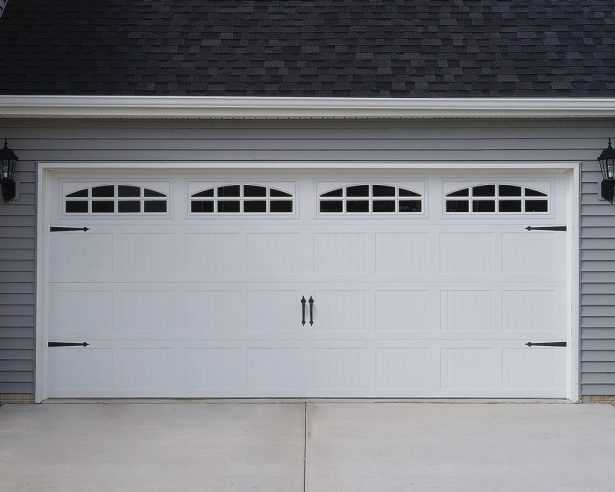
How to restore faded garage door color with gel stain
A faded garage door can make a tidy Australian home look neglected, especially when sun-facing panels lose colour faster than sheltered sections. The visible problem is usually UV fading, chalk, oxidation or a tired clear finish rather than damaged insulation or hardware. Restoring the surface can bring back curb appeal without replacing an entire door, provided the existing panels, seals and moving parts remain sound.
The most reliable way to restore faded garage door color with gel stain is to prepare the surface thoroughly, test a small patch and apply several thin coats. A gel finish hangs well on vertical panels and is less likely to drip than thin liquid stain. It will not repair peeling paint, active rust, cracked fibreglass or tired rollers, so assess the door before opening a tin.
Identify the door before choosing a finish
Start by identifying whether the door is timber, fibreglass, Colorbond steel, painted aluminium or another composite. Also note whether it is a single panel, a sectional door or a roller shutter. The finish may be original to each panel or sprayed during manufacture, and factory coatings can differ from later touch-ups. Photograph the rails, hinges and seals so you can confirm that refinishing has not concealed a movement problem.
Many Australian homes use Colorbond steel for the garage as well as the roof and cladding, so matching the door to the house is a familiar design goal. Current garage design trends favour deep, muted tones and coordinated horizontal panel lines; the linked current garage design trends can help you judge whether a colour change suits the façade or whether a clean, even refresh is enough.
Check the door’s warranty and the finish manufacturer’s guidance before coating over a factory system. Colorbond is a proprietary prepainted steel system, and a site-applied gel finish is a separate coating whose compatibility must be established rather than assumed.
Clean and prepare every panel
Work outdoors on a dry, mild day, move vehicles, bicycles and bins, and keep children and pets away. Australian weekend DIY habits make this a familiar project time, but garages often contain pet urine, fertiliser, spiders and road film that ordinary dusting misses. Wash with warm water and mild detergent, rinse with clean water and let the panels dry fully; do not stain over dust, oil, silicone, wax or bird droppings.
Remove loose rust with a suitable tool and treat bare metal before staining. If rust returns or the coating is flaking in broad patches, scraping and tinting will only delay failure. Scuff sound factory paint lightly with the abrasive specified by the gel-stain manufacturer, usually fine grey or aluminium-oxide paper, and feather any repaired edges. Vacuum with a brush attachment and wipe with a clean lint-free cloth.
Mask handles, windows, weather seals, tracks and the ground below the work area. Avoid soaking the panel edges, where water can sit inside a steel skin or behind fibreglass. High-pressure washing can force water past seals; a controlled hose rinse is safer. Use a stable platform to reach the top section rather than a chair or the door’s movable panels.
Match the gel stain to the surface
Australian paint shops carry familiar exterior brands such as Cabot’s, Dulux and Wattyl, but a product called a gel stain may be a tinted oil-based wood stain, a clear gel finish or a high-build coating. Read the technical data sheet and confirm that it is suitable for the exact door substrate and for exterior use. A clear gel adds sheen and protection; only a pigmented gel will change the colour. On steel and fibreglass, it behaves more like a thin coloured coating than a deeply penetrating stain.
Match the colour to the door, not merely to a colour on an old sales photo. Take a chip from an inconspicuous painted edge or compare the panel with an approved Colorbond colour chart, then make a test patch on the least visible section. Sun-bleached panels can look lighter than the original colour, so an exact-looking sample may still need a second layer or a carefully blended mix. Stir rather than shake the tin and remix between coats.
Buy enough for the whole job, because stopping halfway can leave visible changes between panels. Exterior pigments and UV-resistant finishes are particularly important in Perth and Brisbane, where summer sun and reflected heat are intense. Keep the product batch number and colour details for future touch-ups; garage doors often receive scratches from bikes, ladders or bin lids, and a matching product makes local repairs much easier.
Apply thin coats with control
Use a natural-bristle brush, small foam roller or lint-free pad, plus clean rags and a tray. Follow the product’s recommended application method, but work in manageable panels so the stain stays workable. Apply a thin coat from top to bottom, keeping a wet edge and avoiding excessive pressure. On timber, move with the grain; on metal or fibreglass, use even strokes that do not cut through the substrate.
Allow the stain to remain wet for the label’s stated time, then wipe away the surplus before it becomes sticky. Thick gel residue left to dry can form shiny patches that are difficult to remove. A second thin coat is usually more attractive and durable than one heavy coat. Check for missed areas from different angles in daylight, because low-angle sun in Sydney or Melbourne can reveal streaks that overhead light hides.
Protect opener electronics and isolate mains power before cleaning or coating near the head unit. Smart openers increasingly perform tasks locally rather than sending every command to a cloud service, a shift explained in edge computing careers; that extra circuitry deserves the same protection from moisture and abrasive dust as any electrical component in a busy garage.
Let the finish cure and protect it
Let each coat and the completed job cure for the full period stated by the manufacturer before operating the door. A surface that feels dry can still be soft enough to mark. Avoid parking a bicycle against it, stacking items against the panels or running the door during a dusty finishing period. If the system specifies a compatible exterior clear coat, apply it only when directed; an incompatible clear layer can amber, peel or trap the stain beneath it.
Inspect the finish twice a year, especially after summer storms or strong winds. Wash salt and airborne grime from doors around Sydney, Melbourne and Perth with mild soapy water, then dry the bottom rails. In hot or dusty areas such as Brisbane and Adelaide, check for chalking and fading on the sun-facing side. Small scuffs can be feathered and touched up while the surrounding finish remains sound.
Treat the door as a wind-rated assembly, not just a painted object. Sectional doors in many Australian homes are selected for local wind conditions in work carried out under AS/NZS 1170.1, and refinishing must not interfere with hinges, rollers, seals or tested hardware. Do not remove or alter spring components. Under the Australian Consumer Law, keep product labels and purchase records: goods must be of acceptable quality and fit their disclosed purpose, which is why suitability for steel or fibreglass should be verified before purchase.
Compare the options and bring the door back
Different substrates respond differently to the same colour, so realistic expectations matter before you buy. The comparison below focuses on colour restoration rather than structural repair, and every product instruction should take priority over general guidance.
| Door surface | Likely result | Preparation | Key caution |
|---|---|---|---|
| Timber | Good with compatible stain | Clean, sand and remove old finishes | End grain may absorb extra colour |
| Fibreglass | Fair to good | Wash, repair and lightly scuff | Avoid sanding through the surface |
| Sound Colorbond or painted steel | Fair to good if approved | Wash, scuff and spot-prime bare metal | Factory finishes may reject incompatible coatings |
| Rusting or flaking steel | Poor without full restoration | Remove rust, prime and repaint | Gel stain is not a substitute for rust treatment |
| Aluminium | Usually unsuitable for ordinary wood stain | Specialist cleaning and an approved coating | Do not assume the finish will adhere |
Where the coating is sound, a prepared and correctly chosen gel stain can often restore an even colour across mismatched panels. Extensive peeling, deep rust or widespread UV breakdown calls for a full repaint, and a specialist may be more able to produce uniform coverage on a Colorbond door. If the colour itself has changed with age, a modest refresh may look better than attempting to reproduce a factory shade that no longer matches the roof and façade.
Begin this weekend by taking a colour sample, photographing the panels and checking the opener’s safety cut-out. Buy one matching exterior gel product and enough for complete coverage, then use a single hidden test patch to confirm adhesion, colour and drying time before touching the most visible section. With careful preparation and restrained coats, a tired door can regain a coherent finish while preserving the panels and hardware already doing the structural work.