Why regular garage door inspections matter
Regular garage door inspections are easy to postpone because a door can look and sound normal right up until a panel, cable or opener fails. A careful check can identify a worn roller, loose hinge, damaged weather seal or misaligned safety sensor before the problem strands a car or leaves a family garage unsecured. In Australia, garages commonly store vehicles, tools, sports gear and outdoor equipment, so reliable access is more than a convenience.
Australian conditions make routine attention worthwhile. Heat and humidity can affect timber, paint and seals, coastal salt can corrode hardware, and strong winds can put extra pressure on a track or frame that has shifted. Homes in Sydney, Melbourne, Brisbane, Perth and regional areas face different risks, including summer storms, bushfire smoke, uneven settling and dust that can collect around safety sensors. A sensible routine combines a quick monthly visual check with periodic servicing by a qualified garage-door technician.
What a proper inspection covers
A professional inspection looks at the complete system rather than only the visible door face. The technician checks the type of door, its tracks, rollers, hinges, panels, fasteners and framing, then observes the door through several cycles. This matters because a small alignment issue can place extra load on a cable or opener and turn a minor repair into a larger replacement.
Springs, cables and other tensioned parts require particular caution. Sectional doors may use torsion springs, while older doors can use extension springs; both store substantial energy and can cause serious injury if released unexpectedly. An inspection may look for corrosion, fraying, unusual spacing or a change in balance, but a homeowner should not pull, lift or measure these components. Any balance test belongs with a trained technician, who will isolate the opener as the manufacturer specifies.
The garage door opener deserves its own check. A service visit can verify the force setting, travel limits, reversing behaviour, emergency release, photo-eye alignment and wiring, while replacing batteries or checking the motor housing for heat. It also provides a chance to test a keypad, remote or keyless-entry system without changing programming blindly. Keeping the manual and a record of the model number makes future troubleshooting much easier.
Choosing doors for Australian homes
Replacement decisions begin with the garage’s dimensions and daily use, not just the photograph in a showroom. Sectional doors need usable headroom and clear tracks, roller doors need a suitable opening and guide system, and tilt doors depend on the available space in front of the opening. Townhouse and apartment garages may also involve body corporate rules, shared access and tight parking clearances, so measure the opening, approach and parking space before ordering.
Climate and placement influence the best material and style. An insulated sectional door can suit a cool-climate family room or workshop in Melbourne or Tasmania, while a compact roller door may work better where driveway length is limited in Perth or Brisbane. Colorbond steel is durable in many settings, but coastal properties still need attention to corrosion, and timber finishes require checking in humid conditions. Local wind ratings, exposure and installation details matter as much as the colour.
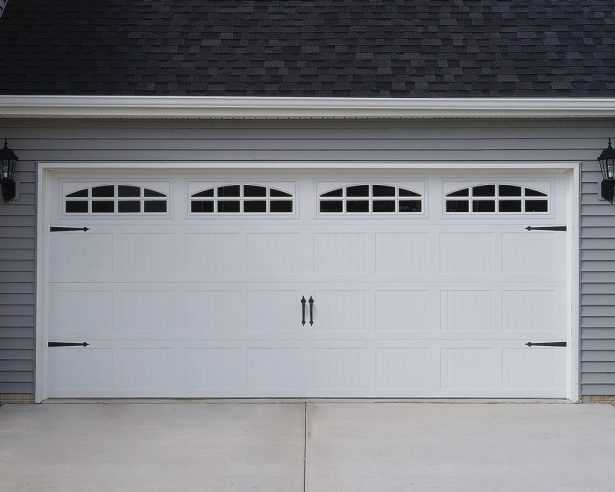
Windows and decorative panels can improve daylight, privacy and street appeal, but they should be matched to the door’s insulation and security needs. Those choosing a replacement can explore window and design ideas for layouts, profiles and glazing before settling on a style. It is worth viewing samples in different light and confirming that a glazed panel will not weaken the door or create a visibility issue from the street.
A practical homeowner inspection checklist
A monthly check should be done with the household aware that the door may move, and with children and pets kept away from the opening. Isolate the opener before reaching near moving parts, following its manual. Start by looking at the outside and inside of the door, the floor beneath it and the visible track areas. A clean, dry threshold helps you spot gaps, water marks or a seal that has separated from the slab.
- Check panels for dents, cracks, swelling, peeling paint, rust or a gap that changes as the door travels.
- Watch the rollers and hinges during a full cycle, listening for scraping, bouncing or a door that drifts sideways.
- Look at the bottom seal and side weatherstrips for tears, hardening, daylight or debris trapped in the seal.
- Remove leaves, stones and stored objects from the opening, and confirm that drainage paths are clear.
- Make sure the door has adequate visible warning markings where required and that nearby vehicles are not touching the panels.
The opener and safety system should be checked separately, following the instructions for the particular model. Do not place a hand, body or vehicle in the opening to test a sensor; use the recommended soft test object and stop if the door does not behave as described in the manual. If a test fails, isolate the opener according to its instructions and arrange service rather than adjusting force settings without guidance.
- Test opening and closing from the normal remote, then look for hesitation, slamming, reversal or a motor that runs unusually long.
- Check that both photo-eye lenses are clean, aligned and mounted securely, and that their indicator lights show the expected state.
- Replace weak remote batteries, record any low-battery warning and confirm that the keypad responds consistently.
- Pull the emergency-release handle only as the manual directs, with the door closed and no vehicle underneath, then return the mechanism to its normal position.
- Note any burning smell, warm metal, loose keypad, damaged cable or unusual noise for a technician, rather than attempting a live-wire repair.
When to call a garage-door professional
Some symptoms are clear invitations to stop the DIY checks. A door that reverses repeatedly, will not close, leaves a gap, hits the floor or visibly bends may have a track, roller, panel or balance problem. A frayed cable, corroded spring, broken panel or opener that becomes hot can create a safety risk, and a grinding noise should be investigated before it turns into a motor failure. In a busy household, a garage door that fails while someone is retrieving a car deserves prompt attention rather than a trial-and-error repair.
For repair help, local searches for garage door repairs can lead to garage door resources with troubleshooting and model-specific guidance. If the opener is a Chamberlain, Craftsman or Linear unit, follow the supplied step-by-step instructions for programming or changing codes; a keyless-entry change should be completed carefully because an incorrect code can lock out every user.
Homeowners can usually remove leaves from a track, replace a remote battery or test a sensor when the manual supports it. They should not bend a track, reconnect loose wiring, dismantle a panel or alter spring tension, since those actions can make the next failure more dangerous. For electrical work, use a properly qualified installer or electrician, and ask whether the technician is authorised for the opener brand and trained in Australian safety procedures. A service visit that ends with a balanced door, tested sensors and a clear maintenance schedule is a better investment than an emergency callout.
Keep the door safe between services
Put the inspection reminder in the household calendar and repeat it after severe weather, a renovation, a change of vehicles or any impact to the opening. Older doors, households that use the garage several times a day and properties exposed to salt or severe weather may need shorter intervals than a once-a-year visit. Record the date, what was checked, parts replaced and the technician’s observations. A short video of the opener’s settings and the door’s condition can also help diagnose a problem, but it should not replace safe isolation or professional advice.
Keep the emergency-release instruction accessible to adults, teach children that the garage door is not a play area, and keep vehicles and bicycles clear of the threshold. Do not leave the remote or keypad codes in an obvious place, and review access after a tenant change, lost remote or staff departure. These small habits protect the people and property inside the garage as well as the door itself.
Regular attention keeps the garage dependable and the household safer throughout the year. Mark the next monthly visual check on the calendar and book a qualified local technician for a scheduled annual inspection, or sooner if any warning sign appears.